Why Choosing the Right Product Matters More Than Anything
If you’re importing from China for markets like the USA, UK, Canada, Australia, EU, UAE, Saudi Arabia, South Africa, Nigeria, India, or Pakistan, the first big decision isn’t “which supplier” or “which shipping method”—it’s what to import.
Choose the wrong product and it doesn’t matter how cheap your supplier is or how smooth the logistics are. You’ll tie up cash in slow-moving stock, burn advertising budget, and maybe even give up on the idea of importing altogether.
At Ucsourcing, we sit in Yiwu and see this every day. Some clients turn one or two smart products into a million-dollar brand. Others chase whatever looks hot and end up with warehouses full of items that nobody really wants.
This guide breaks down six major product types, explains which ones make sense for new and growing importers, and shows how a professional China sourcing agent can help you pick winners and avoid traps.
You’ll see how this applies to both eCommerce (Amazon, Shopify, TikTok Shop, marketplaces) and offline businesses (retail shops, distributors, wholesalers, B2B projects).
Six Product Types to Consider (and When They Actually Work)
We’ll walk through:
-
Trending products
-
Low-value but high-demand products
-
Ordinary daily-use consumer products
-
Small-demand products in a narrow niche
-
Brand products
-
A specific product category and long-term brand play
By the end, you should have a clearer idea of what to import from China to make real money, not just theoretical margins on Excel.
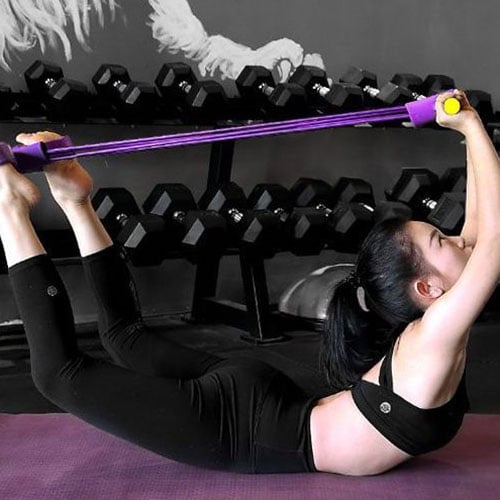
Trending Products: Fast Money or Fast Disaster?
“Viral” products travel fast. You’ve seen them:
-
Fidget spinners
-
Hoverboards
-
Loom bands
-
Selfie sticks
-
Novelty masks or COVID-related items
-
Viral TikTok gadgets or kitchen tools
They explode on social media, and suddenly every importer from North America, Europe, the Middle East, and Africa wants to jump in. The problem? By the time most people notice, the wave is already near its peak.
When You Can Make Money with Trending Products
You can still profit from trending products if:
-
You spot the trend very early
-
You move fast from idea → sample → bulk order → delivery
-
You have an existing distribution system or audience (physical shops, a strong email list, big social media reach, good Amazon rank, etc.)
-
You can handle regulatory issues (e.g., masks, electronics, toys, health-related products)
In these cases, you’re not just buying a hot product; you’re plugging it into an established sales machine.
A partner like Ucsourcing can help you quickly:
-
Validate if the product exists in China at reasonable quality
-
Compare 3–5 factories in the right cluster
-
Check basic compliance risk
-
Push fast sampling and production
👉 If you’re a mature seller with an audience and want to move quickly on trends, you can talk to us about fast-turn product sourcing.

Why Trending Products Are Dangerous for Beginners
For most new importers:
-
You get in late, when price wars start.
-
Advertising costs spike because everyone is bidding on the same keywords.
-
Market gets flooded with low-quality copies that kill customer trust.
-
You may be stuck with stock after the trend collapses.
Unless you have real marketing firepower and cash flow, don’t build your first China-import business on viral products. They’re a bonus play, not a foundation.
Low-Value but Large-Demand Products: The Illusion of Easy Volume
Products like:
-
Toilet paper
-
A4 printer paper
-
Baby diapers
-
Disposable cups and plates
look attractive because:
-
They’re used daily
-
They have giant overall market demand
-
The ex-factory price in China is low
Many new importers think:
“If I can buy for $X and sell locally for $X+20–30%, I’ll make easy volume.”
Reality is very different.
Why These Products Don’t Suit New Importers
-
Shipping kills your margin
These products are bulky and low value. To get your freight cost per unit down to something reasonable, you typically need:-
At least a 40HQ container
-
Good long-term rates with shipping lines
-
Strong negotiation power
-
-
Local competition is fierce
In most countries, big factories nearby or regional suppliers already produce these low-value items. Local or regional sourcing often has:-
Comparable price after you add import freight and duties
-
Shorter lead time
-
Lower working capital risk
-
-
You need relationships with big buyers
To make these products worth importing, you must already have:-
Contracts with supermarkets, chains, institutions
-
Assurance of repeat orders
-
Very tight cost control
-
If you’re new, it’s rarely wise to start with low-value, high-volume commodities. The numbers only work when your scale and relationships are already big.
For this kind of product, Ucsourcing typically works with existing distributors and large buyers—not first-timers.

Ordinary Daily-Use Products: Too Crowded to Be Interesting (Most of the Time)
Products like:
-
Basic T-shirts and hoodies
-
Standard towels
-
Generic sunglasses
-
Plain backpacks
-
Everyday socks
are easy to understand and always needed. The factory price vs retail price often looks amazing:
-
Example: a high-quality pair of cotton socks may cost $0.30 in China.
-
Shipping per pair to the USA could be $0.02–$0.20, depending on mode and volume.
-
Local retail price: $3–$8 per pair.
On paper, that’s a huge margin. So why isn’t everyone rich from this?
Two Big Problems with Ordinary Products
-
Big retailers control the shelf
In the USA, UK, Europe, Australia, and even parts of the Middle East and Africa, ordinary essentials are dominated by:-
Supermarkets
-
Fast fashion chains
-
Department stores
-
Discounters
-
They buy in massive volumes, squeeze suppliers hard on price, and can accept thin margins. Competing with them as a newcomer is extremely tough.
-
Marketing ordinary products is expensive
If you sell online, you must pay for:-
Ads
-
Influencers
-
Content
-
Marketplace fees
-
Customers don’t search for “generic black socks from some random brand.” They search for price, convenience, and sometimes trusted labels. You need a strong angle to stand out.
When Ordinary Products Can Still Work
There is opportunity—but only if you do one of these:
Option A – Add Design or Concept Differentiation
Instead of “just another sock,” think:
-
Graphic socks with bold patterns
-
Technical sports socks
-
Children’s grip socks
-
Eco or organic materials
-
Bundles with attractive packaging
Some brands like “Happy Socks” took a boring category and won with design, branding, and storytelling.
Ucsourcing can help you:
-
Find base products
-
Customize materials, colors, and details
-
Design packaging and labels
-
Prepare for private label sales
👉 Check our private label & customization services if this is your direction.
Option B – You’re in a Market Where Big Retailers Are Weak
In some emerging markets, ordinary products are still mainly sold by:
-
Street shops
-
Small independent stores
-
Informal markets
If:
-
Big chains do not dominate
-
Imports are fragmented
-
You understand local demand well
then importing better-quality ordinary items at a fair price can make sense.
Small-Demand Products in a Narrow Niche: The Best Place to Start
For many successful Amazon, Shopify, and marketplace sellers we work with, the winning formula is:
Small but strong demand + narrow niche + good margin + limited competition
Examples:
-
Expandable garden hoses
-
Moving straps
-
Acrylic makeup organizers
-
Specialized pet accessories
-
Niche sports gear
-
Special-purpose kitchen tools
These products don’t have massive mainstream demand, but they:
-
Don’t attract huge corporate competition
-
Allow for higher markups
-
Reward specialization and good branding
-
Can be improved over time based on user feedback
We’ve seen multiple clients from the USA, UK, Germany, Canada, UAE, Saudi Arabia, South Africa, Nigeria, India, and Pakistan build $200,000+ per year in revenue with just one or two well-chosen niche items.
Why Niche Products Work So Well
-
You can understand the customer deeply.
-
You can craft better listings, photos, videos, and instructions than generic competitors.
-
You can position yourself as “the authority” in that small corner of the market.
-
You’re not fighting with supermarkets or giant retailers.
This is also where a Yiwu sourcing agent truly shines:
-
We explore multiple factories with similar items.
-
We compare details: materials, molds, packaging, workmanship.
-
We help you make small changes that justify better pricing.
-
We arrange testing, compliance checks, and stable reorders.
If you are a new importer, niche products are usually the safest path to good margins and long-term growth.
Brand Products: Attractive, But Tricky and Limited
Many newcomers assume:
“Brand X is made in China, so I should buy it cheaper in China and resell it in my country.”
In reality:
-
Most brand owners control distribution tightly.
-
You cannot buy directly from OEM factories producing for those brands.
-
Even in China, official prices are often the same or very close to global retail prices.
When Brand Products Can Work
There are only a few realistic scenarios:
Scenario 1 – No Local Distributor + Proper Authorization
If your country doesn’t have an official distributor and you:
-
Have the capacity to import directly
-
Can handle customs, duties, and logistics
-
Buy from a supplier with legitimate authorization to sell the brand
then you may have a window of opportunity.
In such cases, you must:
-
Verify the supplier’s authorization letter from the brand
-
Be prepared to present proof during customs checks
-
Avoid grey or unclear channels
Ucsourcing can help verify documentation and advise on the risk level.
👉 More details: brand & authorized sourcing support
Scenario 2 – Second-Hand or Repair Parts for Brands
Examples:
-
Used iPhones
-
Phone screens & motherboards
-
Laptop parts
-
Camera accessories
Repair shops worldwide often source such parts from China. This is often legal and profitable if:
-
You respect local regulations
-
You don’t misrepresent refurbished goods as new
-
You understand the technical quality levels
If you’re in the repair or refurbishing business, Ucsourcing can help locate stable, repeatable sources of such components.
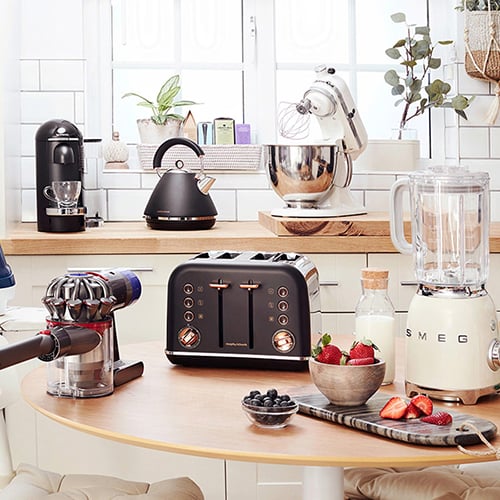
Focusing on One Product Category: The 5–10 Year Strategy
The most reliable path to multi-million turnover is not jumping from product to product; it is picking a category and owning it.
Examples from our own clients:
-
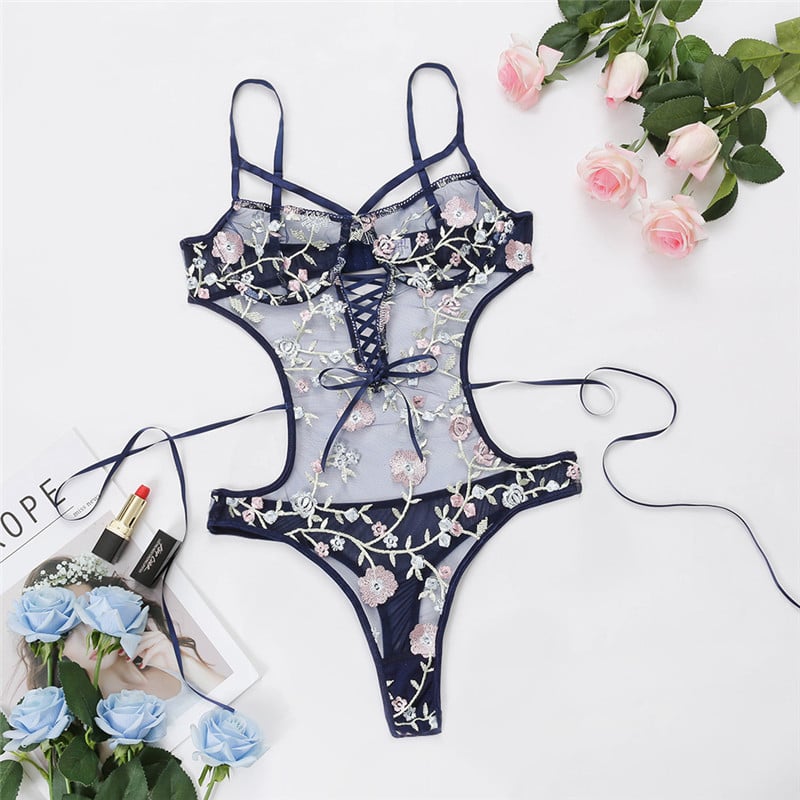
A Singapore client focusing solely on women’s underwear grew from small orders to a seven-figure business in two years, building a strong brand with recurring customers.
-
An Italian resort owner launched his own cosmetic line named after his resort, later turning it into a signature product range for guests and online buyers.
Why Category Focus Works
-
You build deep knowledge about customer needs.
-
You can offer multiple related products (cross-sell and upsell).
-
You can reuse the same suppliers, molds, and packaging logic.
-
You build brand recognition instead of random listings.
When you pick a category—such as:
-
Women’s intimates
-
Home organization
-
Pet care
-
Outdoor and camping
-
Beauty tools and accessories
-
Specialty kitchen tools
-
Kids’ educational toys
Ucsourcing can help you:
-
Map the category in China (key factories, clusters, price bands)
-
Identify entry-level products to start with
-
Develop custom or semi-custom items over time
-
Coordinate branding, packaging, and long-term QC
👉 Learn more: Ucsourcing Product Category & Brand Support
How to Decide What to Import: A Simple Decision Framework
When evaluating products, ask:
-
Is shipping cost reasonable vs product value?
-
High value, small volume is your friend.
-
-
Who controls the market locally?
-
If big retailers dominate, a new importer will struggle unless you’re truly differentiated.
-
-
Can I add value beyond just “low price”?
-
Design, functionality, bundling, customer service, brand story.
-
-
Is this product easy to improve or extend?
-
You want room for future versions or related SKUs.
-
-
Can I see myself staying in this category for 3–5 years?
-
The longer your horizon, the more your learning compounds.
-
If you want a second opinion, we’re happy to discuss your ideas and share feedback based on what we see daily in Yiwu and other Chinese hubs.
👉 You can reach out via our services page: Ucsourcing Services – Sourcing, QC, and Logistics
Work with Ucsourcing to Turn Product Ideas into a Real Business
We are ZHEJIANG FEIPAI IMP & EXP CO., LTD, and Ucsourcing is our service brand. Our operation center is in Yiwu, only minutes away from the world’s largest wholesale market.
We help importers from the USA, UK, Canada, Australia, EU, UAE, Saudi Arabia, South Africa, Nigeria, India, Pakistan, and many other countries to:
-
Identify profitable products and categories
-
Avoid risky or unworkable product choices
-
Find verified, reliable factories instead of random middlemen
-
Customize products and packaging with your branding
-
Manage pre-shipment quality inspections
-
Consolidate goods from different suppliers
-
Organize FOB, CIF, or DDP shipments
You don’t have to guess what to import from China. You can use our on-the-ground experience, supplier network, and quality control system to make better product decisions from day one.

Contact Ucsourcing
If you are thinking about what products to import from China and want an honest, practical view on your ideas, we’d be glad to help.
WhatsApp: +86-18026272594
Email: [email protected]
Address: No.201, Building 56, 8 Street, Changchun District, Yiwu City, China 322000
👉 Services & Contact Page:
Get in Touch with Ucsourcing
We’ll treat your business as if it were our own—because if you grow, we grow.