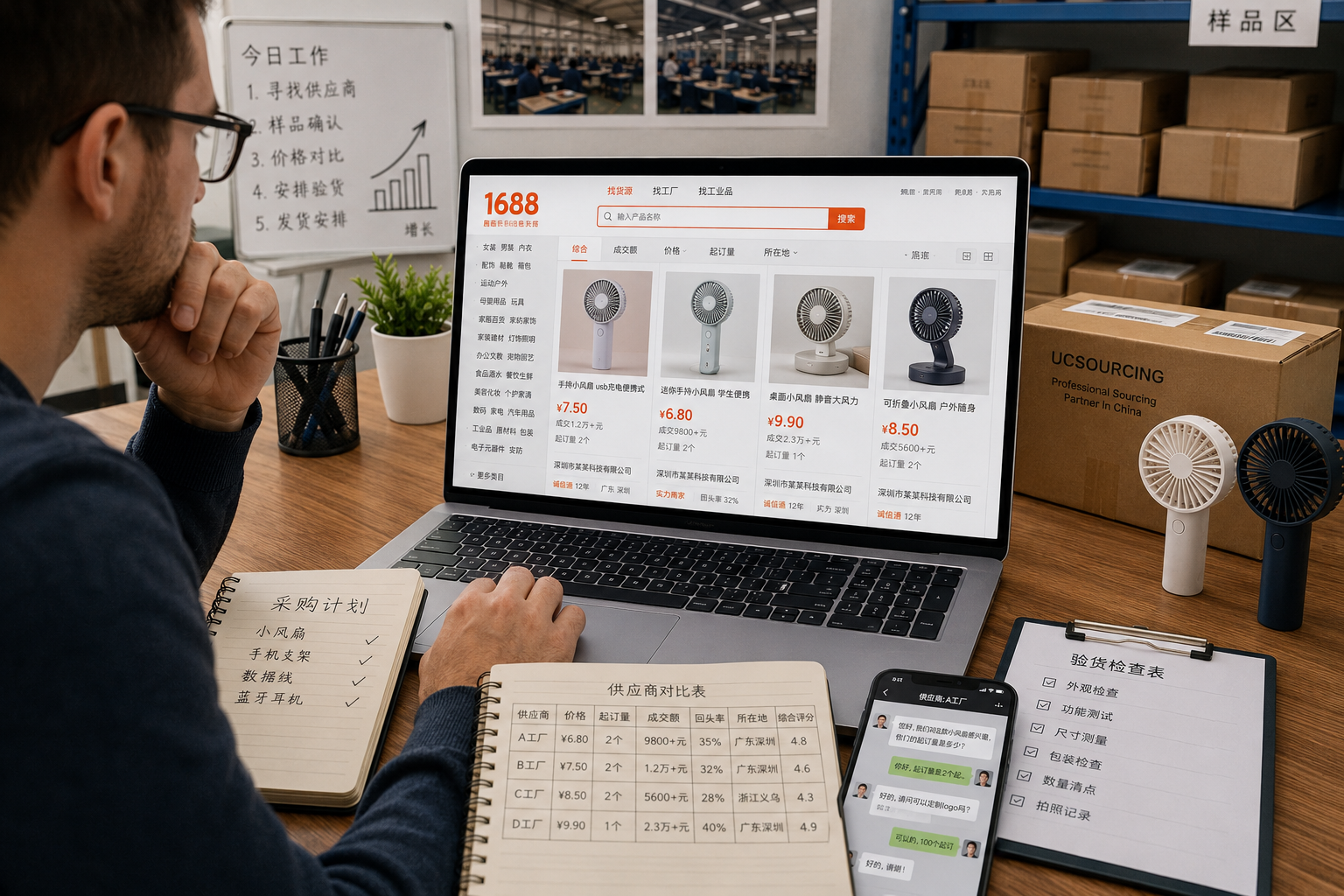
If you’ve ever searched for products from China, you’ve probably had the same experience.
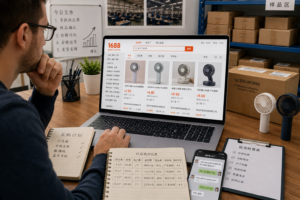
You start on Amazon and find a product selling for $40. After a little research, you discover what appears to be the exact same item on Alibaba for $15. Then someone introduces you to 1688, and suddenly that product is listed for less than $5.
At that moment, many buyers feel like they’ve uncovered a secret that everyone else somehow missed.
The reality is a little more complicated.
The reason experienced importers spend so much time evaluating suppliers isn’t because products are difficult to find. The products are everywhere. The challenge is determining which supplier can actually deliver the quality, consistency, and reliability your business needs.
This is where many first-time buyers run into problems.
They assume that if two suppliers are showing identical product photos, they must be selling the same product. Unfortunately, that’s often not true.
A supplier quoting $0.60 for a phone holder may be using recycled plastic and low-cost packaging. Another supplier charging $1.20 might be using stronger materials, better adhesive, and packaging designed to survive international shipping. On a product page, those differences can be almost impossible to see.
The lower price looks attractive until customer complaints start arriving.
At UCSOURCING, we’ve helped importers source products from China for more than a decade, and one lesson keeps repeating itself: the cheapest supplier is rarely the lowest-cost supplier in the long run.
What Is 1688 and Why Are Prices So Much Lower?
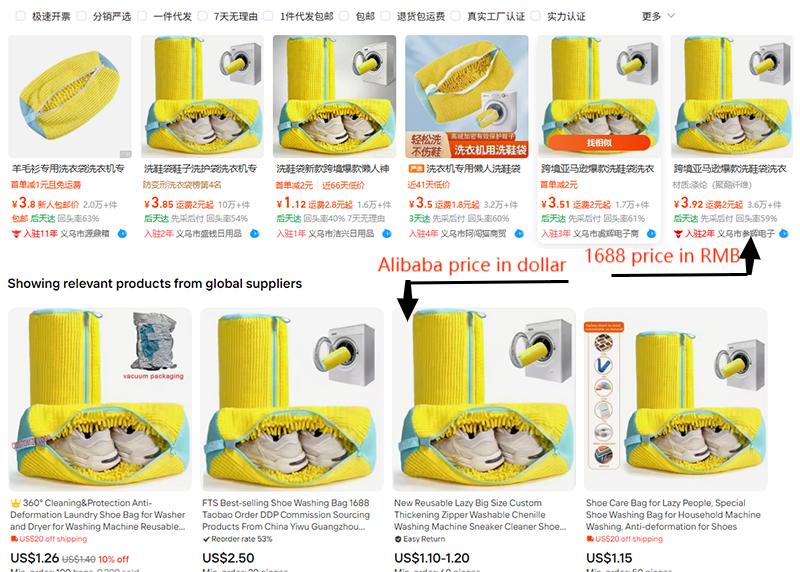
1688 is China’s largest domestic wholesale marketplace. While Alibaba was designed to connect Chinese suppliers with international buyers, 1688 was built primarily for businesses operating inside China.
That difference explains why prices often appear dramatically lower.
Suppliers selling on Alibaba generally expect to deal with export documentation, English communication, international payment methods, and overseas customer service. Suppliers selling only on 1688 often don’t provide those services because their customers don’t need them.
As a result, pricing on 1688 can be significantly lower than what buyers see on Alibaba.
This is one of the reasons many experienced importers use Alibaba to identify suppliers but rely on 1688 to understand the real domestic market price before negotiating.
However, lower prices come with a trade-off that many overseas buyers don’t discover until much later.
Because 1688 is focused on China’s domestic market, product standards can vary dramatically from one supplier to another. The platform includes excellent factories, but it also includes traders, wholesalers, and small resellers. Some suppliers have years of export experience. Others have never shipped a product outside China.
For a Chinese retailer, that may not matter.
For an importer selling products in the United States, Europe, Australia, or Canada, it can become a major issue.
The Biggest Risk Most Buyers Never Consider
Most sourcing articles focus on pricing.
In reality, pricing is rarely the biggest risk.
Compliance is.
Many products sold through 1688 were designed specifically for the domestic Chinese market. They may perform perfectly well, but they were never intended to meet the requirements of overseas markets.
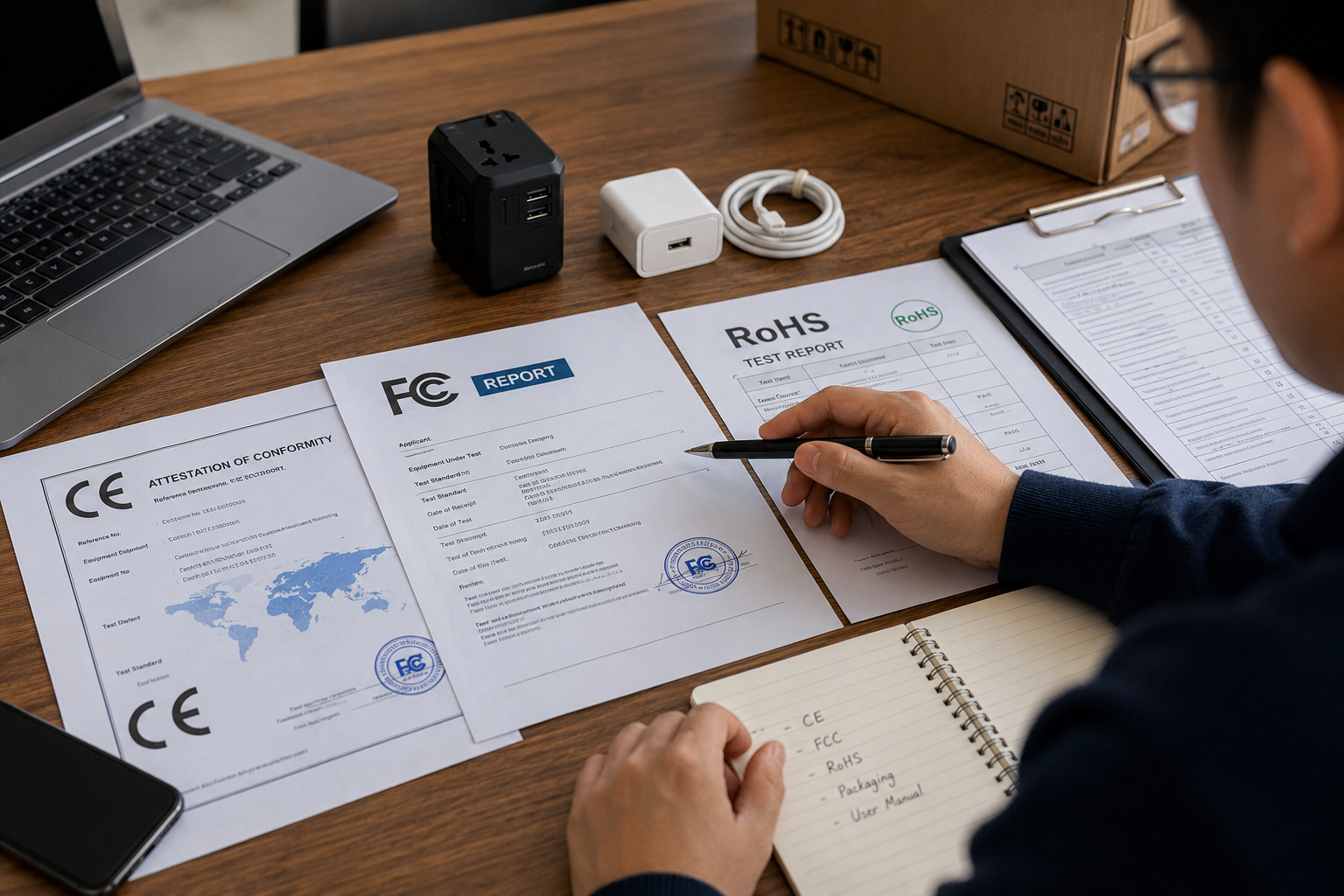
An electronic product might not have FCC certification.
A children’s product may not have the documentation required by European regulations.
A battery may lack the transport certifications necessary for international shipping.
The supplier isn’t necessarily doing anything wrong. They’re simply serving customers with different requirements.
Unfortunately, many importers don’t discover these issues until products have already been manufactured or shipped.
By that stage, fixing the problem becomes expensive.
This is why professional buyers often spend more time verifying suppliers than negotiating prices.
Before placing a large order, they want to know whether the supplier has export experience, whether compliance documents actually exist, and whether those documents are valid for the destination market.
Why Product Quality Varies So Much on 1688
One question we hear constantly is simple:
“If two suppliers are showing the same product, why are their prices so different?”
The answer usually comes down to factors that don’t appear in photos.
Different factories may use different raw materials. Production tolerances may vary. Packaging standards can be completely different. One factory may have strict quality control procedures while another performs only basic inspections.
To an online buyer, those differences are invisible.
To a customer receiving the final product, they become obvious very quickly.
This is why experienced importers almost always request samples before committing to production.
A sample costs very little compared with the cost of discovering a quality issue after importing thousands of units.
Why Many Overseas Buyers Eventually Use A Sourcing Company
Most buyers don’t hire sourcing companies because they can’t find products.
They hire sourcing companies because they can’t personally visit factories, inspect production, review certifications, negotiate in Chinese, and manage logistics at the same time.
A good sourcing partner acts as an extension of the buyer’s team.
Their job isn’t simply to find suppliers.
Their job is to identify problems before those problems become expensive.
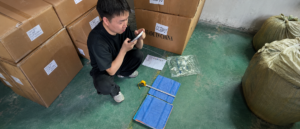
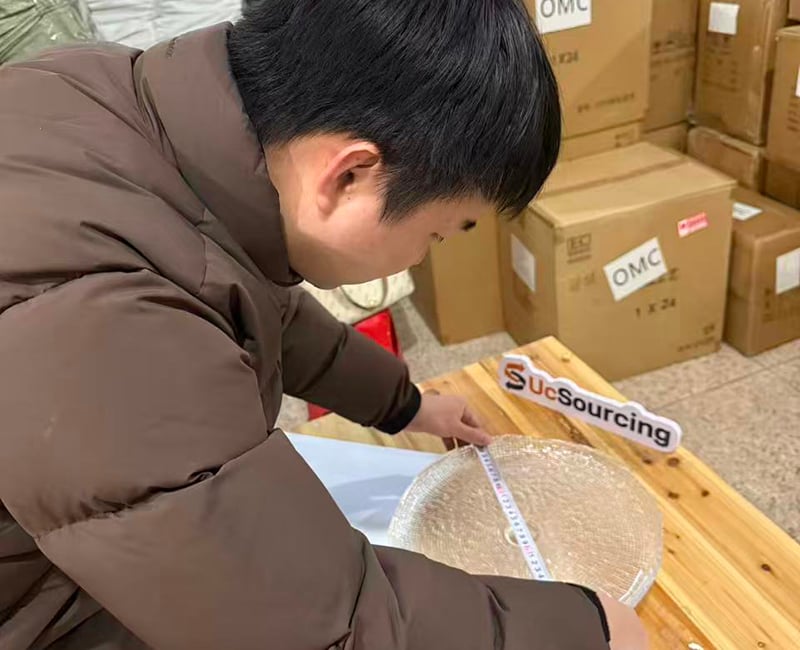
At UCSOURCING, we regularly help buyers compare suppliers who appear identical online but perform very differently in reality. We review samples, verify certifications, inspect products before shipment, and help ensure that products arriving at a customer’s warehouse match the expectations established at the beginning of the project.
The goal isn’t to find the cheapest supplier.
The goal is to find the supplier that gives the buyer the best overall result.
In international sourcing, those are rarely the same thing.

Final Thoughts
1688 is one of the most powerful sourcing platforms in the world, but it is often misunderstood.
The platform gives overseas buyers access to pricing that many competitors never see. It also provides direct access to manufacturers that may not actively market themselves to international customers.
At the same time, it requires a different level of due diligence.
Not every supplier is a factory. Not every factory is export-ready. And not every product is suitable for international markets.
Buyers who understand these differences can build highly competitive supply chains and improve margins significantly.
Buyers who focus only on the lowest price often learn a much more expensive lesson.
The opportunity on 1688 is real.
The key is knowing how to separate a good supplier from a risky one before the order is placed.