

A children’s clothing order does not fail only because the fabric is bad.
Many times, it fails because the sizes are wrong, the measurements are unclear, the spring styles arrive too late, or the landed cost leaves no real profit.
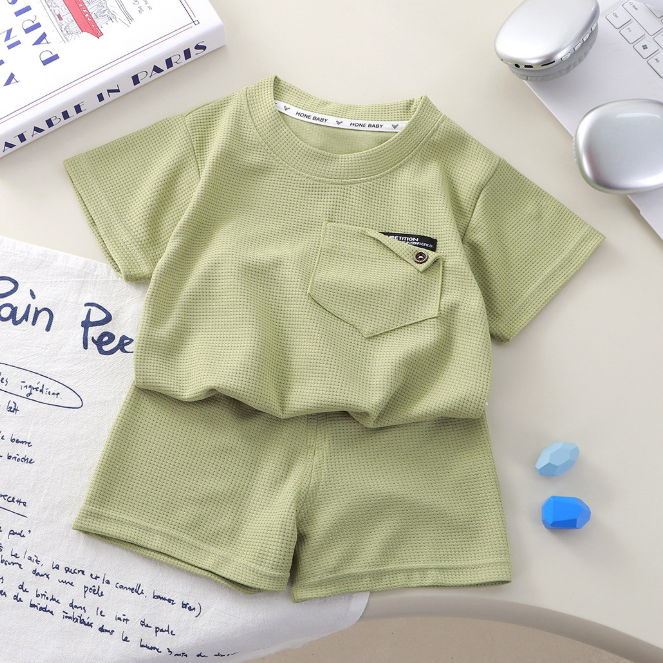
For buyers, children’s spring clothes look simple: T-shirts, hoodies, light jackets, leggings, dresses, pants, and matching sets. But once you start sourcing in China, the real questions begin.
What size is 120 in children’s clothes?
What size is 130 in children’s clothes?
How do Chinese kids’ sizes compare with U.S. sizes?
Is it really cheaper to buy children’s clothing from China after shipping?
And how do you avoid returns caused by poor sizing?
These are not small details. They decide whether your children’s clothing order sells smoothly or becomes a warehouse full of slow-moving stock.
Children’s Clothing Sizes Are Not the Same in Every Market
One of the biggest mistakes new buyers make is assuming that children’s clothing sizes are universal.
They are not.
In China and many Asian markets, children’s clothing sizes are usually based on the child’s height in centimeters. A size 120 usually means the clothes are designed for a child around 120 cm tall. A size 130 is usually for a child around 130 cm tall.
In the U.S., buyers are more familiar with sizes like 5T, 6, 7, 8, 10, or age-based sizing. This difference can easily create confusion when importing kids’ clothing.
For example, Bosideng’s kids size chart lists CN size 120/60 as fitting roughly 110–122 cm height and age 6–7, while CN size 130/64 fits about 122–135 cm height and age 7–8. Target’s U.S. kids chart shows size 6 and 7 covering roughly 47–52.5 inches in height, and size 8 starting around 52.5 inches, which roughly matches the 120–130 cm transition range.
What Size Is 120 in Children’s Clothes?
Size 120 in children’s clothes usually fits children around 6–7 years old, depending on body shape, brand, and garment style.
In most China-based children’s clothing size systems, 120 refers to height in centimeters. It is commonly used for children around 110–122 cm tall, but buyers should not rely on age alone.
A slim 7-year-old may fit size 120 well.
A taller 6-year-old may need size 130.
A child buying a hoodie or jacket may need more room than a child buying a T-shirt.
That is why professional sourcing should never depend only on the factory’s size label. The buyer should always confirm the actual garment measurements.
What Size Is 130 in Children’s Clothes?
Size 130 in children’s clothes usually fits children around 7–8 years old, or children around 122–135 cm tall.
For spring clothes, size 130 is especially important because many buyers use it for light jackets, sweatshirts, school outfits, dresses, and casual sets.
But here is the problem: different factories may cut size 130 differently.
One factory may make size 130 slim and short.
Another factory may make size 130 wider for the U.S. market.
A third factory may follow a Korean-style slim fit, which can run smaller than expected.
This is why a children’s clothing measurements chart must be confirmed before mass production.
Children’s Clothing Measurements Chart for Sourcing
Below is a practical children’s clothing size reference for buyers. It is not a fixed standard for every factory, but it is useful when discussing samples, size labels, and production specs.
| China Size | Approx. Height | Approx. U.S. Size | Approx. Age | Common Spring Items |
|---|---|---|---|---|
| 100 | 98–104 cm | 3T–4T | 3–4Y | T-shirts, leggings, dresses |
| 110 | 104–110 cm | 5 | 4–5Y | Tops, pants, light jackets |
| 120 | 110–122 cm | 6–7 | 6–7Y | Hoodies, T-shirts, spring sets |
| 130 | 122–135 cm | 7–8 / 8 | 7–8Y | Jackets, dresses, pants, schoolwear |
| 140 | 135–145 cm | 10 | 9–10Y | Outerwear, tracksuits, casual sets |
| 150 | 145–152 cm | 12–14 | 11–12Y | Larger kids’ apparel |
| 160 | 152–160 cm | 14–16 | 13–14Y | Teen apparel |
For real production, buyers should ask the supplier for garment measurements such as chest width, body length, sleeve length, shoulder width, waist, hip, inseam, and recommended height. Target’s kids size chart also shows that U.S. sizing uses height, weight, chest, waist, and hip measurements rather than only age.
Why Children’s Spring Clothes Are a Good Product Category
Children’s spring clothes are easier to sell because they are practical, seasonal, and repeat-purchase products.
Parents do not buy kids’ clothes once. Children grow quickly, and spring weather creates demand for lighter layers, breathable fabrics, and comfortable daily outfits.
Popular children’s spring clothes include:
| Product Type | Buyer Demand |
|---|---|
| Kids’ T-shirts | Basic daily wear, easy to customize |
| Light hoodies | Good for spring mornings and schoolwear |
| Thin jackets | Useful for changing weather |
| Cotton pants | Comfortable for school and outdoor activities |
| Dresses | Popular for girls’ spring collections |
| Matching sets | Easy for online stores to sell as outfits |
| School uniforms | Stable demand, repeat orders |
| Cartoon print clothes | Strong appeal for children’s fashion |
For e-commerce sellers, children’s spring clothes are also suitable for small collections. You do not need to start with hundreds of styles. A smart buyer can begin with several strong styles, test the market, then reorder the best sellers.
China vs. Overseas Buying: Where the Profit Difference Comes From
Buying children’s clothing locally can be easier, but it often leaves less room for profit.
The reason is simple. Local retail and wholesale prices already include brand markup, warehouse cost, domestic labor, retail operation, advertising, and after-sales cost.
China sourcing gives buyers more flexibility because they can work closer to the manufacturing side. Alibaba listings show kids’ spring T-shirts commonly around $2.60–$6.50 depending on design, material, and MOQ, and kids’ spring clothing sets around $5.99–$10.39 in sample online listings. U.S. retail examples from Target and Walmart show kids’ T-shirts and apparel commonly selling from around $6 to over $20 depending on brand and category.
| Product | China Factory / Wholesale Reference | U.S. Retail Reference | Profit Opportunity |
|---|---|---|---|
| Kids’ T-shirt | $2.50–$5.50 | $6–$17.99 | Good for basic and custom prints |
| Kids’ spring hoodie | $6–$10+ | $18–$30+ | Better margin with custom design |
| Kids’ 2-piece set | $5.99–$10.39 | $18–$31+ | Strong online selling potential |
| Kids’ pants | $3–$8+ | $16–$25+ | Good for school and casual wear |
| Kids’ dress | $4–$10+ | $15–$35+ | Seasonal and style-driven |
These numbers are only market references. The real landed cost depends on fabric, MOQ, printing, packaging, inspection, freight, duty, and your sales channel. But the difference shows why many sellers, boutiques, supermarkets, and online brands prefer sourcing children’s clothing from China.
Low Price Alone Does Not Protect Your Profit
A cheaper factory price does not automatically mean a better order.
In children’s clothing, profit can disappear quickly if the buyer ignores sizing, shrinkage, fabric quality, color fastness, packaging, or safety requirements.
A T-shirt that shrinks after washing can create returns.
A hoodie with poor stitching can damage your brand.
A dress with the wrong size label can confuse customers.
A spring jacket that arrives after the season can miss the selling window.
This is why children’s clothing sourcing should be handled before production, not only after the goods are finished.
What Buyers Should Confirm Before Production
Before placing an order for children’s spring clothes, buyers should confirm these details clearly:
| Checkpoint | Why It Matters |
|---|---|
| Size chart | Prevents wrong fit and customer returns |
| Fabric composition | Affects comfort, cost, and washing result |
| GSM / fabric weight | Controls thickness and quality feel |
| Shrinkage | Important for cotton T-shirts and pants |
| Color fastness | Prevents fading and staining |
| Print quality | Important for cartoon and logo designs |
| Stitching quality | Affects durability |
| Labels and hangtags | Needed for brand and market compliance |
| Packaging | Important for e-commerce and retail display |
| MOQ | Determines whether small buyers can start |
| Delivery time | Critical for spring season sales |
For children’s products, buyers should be more careful than adult apparel. Kids’ clothing must be comfortable, skin-friendly, and durable enough for daily wear.
Why Work With UCSOURCING for Children’s Clothing?
Finding a supplier is not the hard part.
Finding the right supplier, confirming the right size chart, checking samples, controlling production, inspecting quality, and arranging shipment are the parts that decide whether your order succeeds.
UCSOURCING helps buyers source children’s spring clothes from China with a more controlled process.
We can help you:
Confirm suitable suppliers
Compare factory prices
Check sample quality
Review children’s clothing measurements chart
Confirm size 120, size 130, and other market size conversions
Follow production progress
Inspect workmanship and packing
Arrange shipping from China
Support small and medium-size orders when possible
For buyers who do not speak Chinese, this also saves time and reduces communication risk. You do not need to guess whether a supplier understands your market. We help translate product requirements into clear factory instructions.
Talk to a Sourcing Expert:https://ucsourcing.com/contact-us/
Children’s Clothing Sourcing Should Start With the Right Details
A good children’s clothing order is not only about cute designs.
It is about the correct size, right fabric, stable production, safe packaging, and a price that still leaves room for profit after shipping.
If you are sourcing children’s spring clothes from China, do not wait until the final shipment to discover sizing problems.
Start with the size chart.
Confirm the sample.
Control production early.
Then calculate the real landed cost.
That is how children’s clothing becomes a profitable product line instead of a costly mistake.
If you are planning to source kids’ T-shirts, hoodies, spring jackets, dresses, pants, or matching sets from China, UCSOURCING can help you find the right supplier, confirm the details, and ship the goods with less risk.
Read More Sourcing Guides:https://ucsourcing.com/products/