High-quality product photos don’t just “make a listing look better”—they reduce returns, increase conversion rate, and make your brand feel trustworthy before a customer ever reads your bullet points. For most e-commerce sellers, photography becomes a hidden bottleneck right after sampling: you may have a great product, but you don’t have images that sell it.
If you’re sourcing from China and selling into markets like the United States, Canada, the United Kingdom, Australia, Germany, France, and the UAE, you’ll eventually face the same decision: do you shoot in your home country, or do you shoot in China while the product is already there?
In many cases, doing product photography in China is the most efficient choice—lower cost, faster turnaround, and fewer delays caused by shipping samples back and forth. The catch is quality control: communication gaps, inconsistent styling, and photographers who “follow the brief” but still miss the brand.
This article breaks down the most common e-commerce product photography issues we see, how to fix them, which photo types matter for Amazon/Shopify, and how to build a repeatable workflow that scales with your SKU count—especially if you’re also planning private label packaging and brand expansion.
Why Sellers in the US, UK, EU, Canada, Australia, and the UAE Often Shoot in China
In developed markets, the cost of photography is rarely “just the shoot.” It’s the studio time, props, styling, model fees, retouching, and revisions—often billed separately. If you’re launching multiple SKUs or iterating packaging, those expenses multiply quickly.
Shooting in China while you’re still in the sampling or pre-production stage can be a strategic advantage:
-
You avoid shipping samples internationally just for content creation
-
You can shoot multiple variants quickly (colorways, sizes, bundles)
-
You can align packaging + product photos in one workflow
-
You can reshoot fast when factory changes or material updates happen
But none of that matters if the output doesn’t match your listing strategy. The goal isn’t “nice photos.” The goal is “photos that sell and reduce doubts.”
The Most Common Product Photography Problems E-commerce Sellers Face
The Brief Sounds Clear, But the Photographer Interprets It Differently
Many sellers write briefs like “clean, premium, minimal, modern.” Those words can mean ten different things depending on who’s reading them. The result is often a first draft that’s technically fine, but commercially wrong: wrong crop, wrong lighting, wrong “feel.”
Fix:
-
Provide 3–5 reference listings that match your target style
-
Define the platform format (Amazon main image vs Shopify gallery vs ads)
-
Specify angles, framing, and what must be visible (logos, texture, buttons)
The Photos Look Good, But They Don’t Match the Customer’s Questions
Customers don’t just want aesthetics—they want certainty. Most failed listings are missing basic proof:
-
“How big is it in real life?”
-
“What’s included in the box?”
-
“What does the texture look like?”
-
“How does it work step-by-step?”
-
“Is the packaging giftable?”
Fix:
-
Build a shot list around objections and FAQs, not around “pretty angles”
-
Add scale images, unboxing, and detail macros
-
Show usage steps or outcomes if the product is functional
Color Accuracy Is Off (And It Causes Returns)
Color shift is a silent killer. A customer orders “cream white” and receives “warm beige.” Even if the product is correct, the photo promised something else.
Fix:
-
Use consistent lighting setup and a color reference card when needed
-
Confirm white balance and request “true-to-life” editing
-
For multi-color SKUs, request a consistent editing preset across all images
Over-editing Makes the Product Look Fake
Some studios push too far: heavy smoothing, harsh sharpening, unnatural shadows, plastic-looking textures. It can raise suspicion, especially in regulated categories or premium products.
Fix:
-
Ask for “natural retouching” and texture-preserving edits
-
Keep shadows realistic; avoid floating-product effects unless intentional
-
Request a side-by-side revision process: “raw vs retouched” for one image first
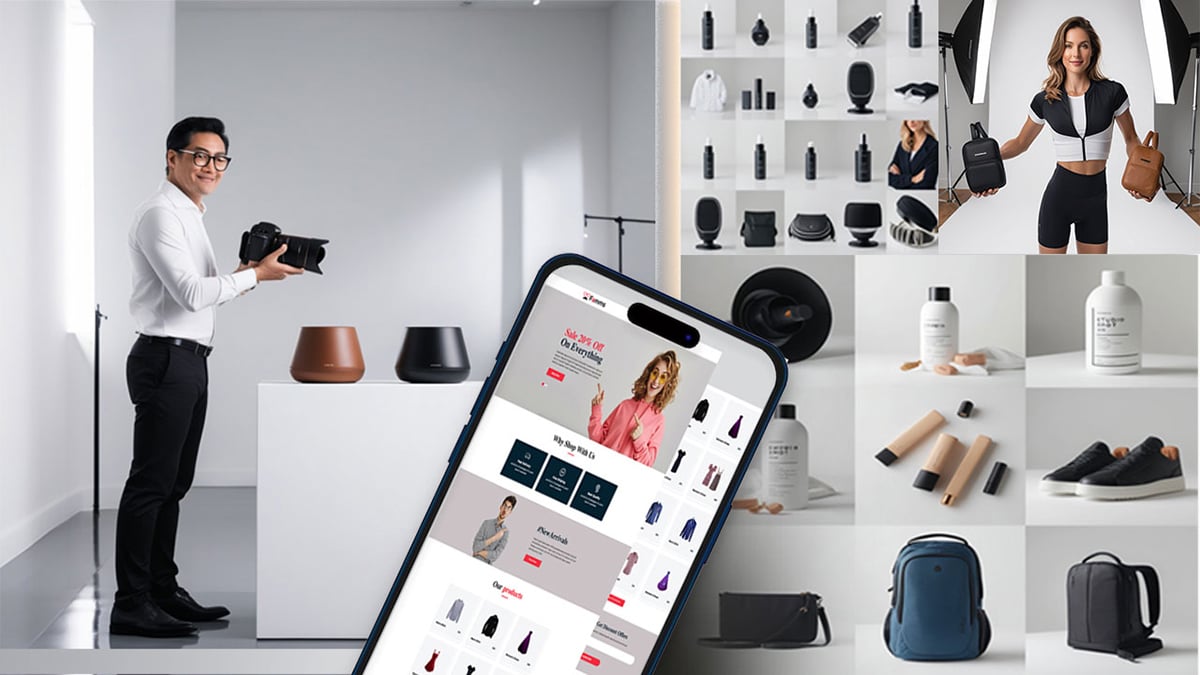
Lifestyle Images Feel Staged or Inauthentic
Lifestyle photos can increase conversion, but if the environment doesn’t match your target market, it backfires. A kitchen, bathroom, or living room style that looks “off” can reduce trust.
Fix:
-
If budget is tight, use high-quality compositing with realistic scenes
-
If using real-life sets, match the target market aesthetic (US/EU/AU styles differ)
-
Use natural light direction and consistent shadow logic
A Simple Rule: Your Photo Plan Should Match Your Funnel
If your traffic is mostly Amazon search, your image sequence must answer “Is this the right product?” in 3 seconds.
If your traffic is mostly paid ads to Shopify, your image set must support brand trust and explain the product quickly on mobile.
If you’re building a private label brand, your photos must also communicate brand consistency across SKUs.
That’s why we recommend designing photography as part of a broader sourcing and brand workflow—product selection, packaging, compliance labeling, and visuals should work together.
You can explore how UC Sourcing supports full supply chain workflows here:
https://ucsourcing.com/our-services/
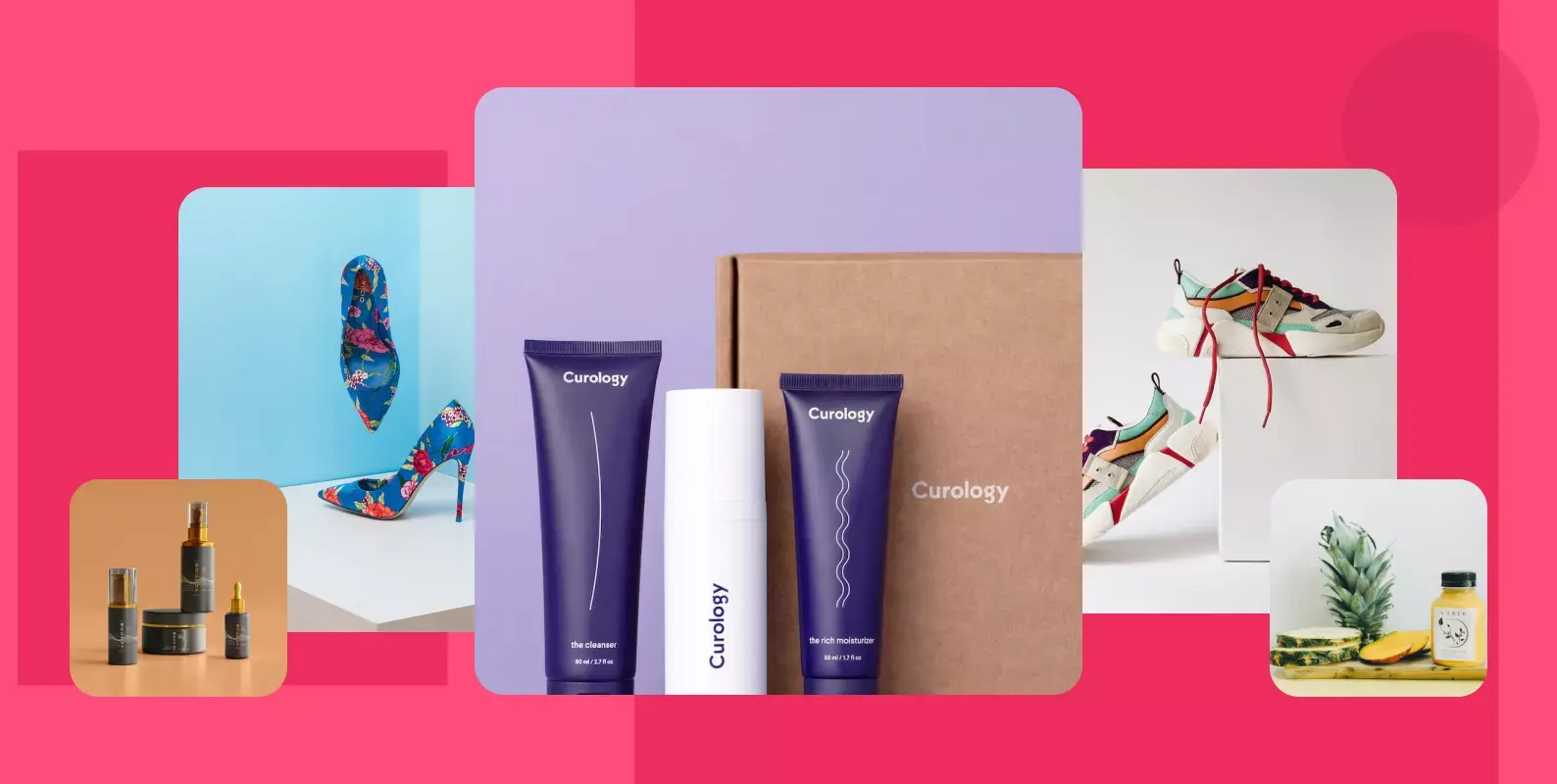
The 7 Product Photo Types That Drive Sales (And When to Use Each)
Individual Product Photography
Clean, single-product photos—typically on white or solid background—are essential for marketplaces and consistent catalogs.
Best for:
-
Amazon main image compliance
-
Shopify product galleries
-
Google Shopping feeds
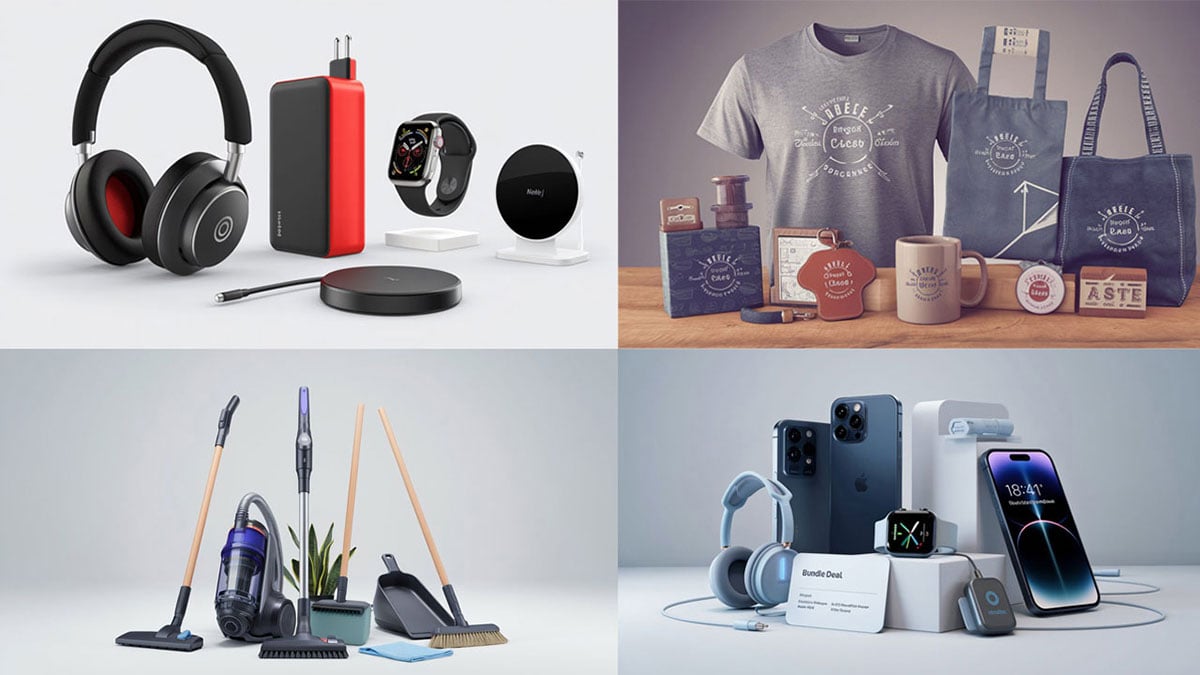
Group Product Photography
Group shots show what’s included, bundle value, and variations. Flat-lay is especially effective for cosmetics, electronics accessories, and multi-piece sets.
Best for:
-
Bundles and kits
-
“What’s in the box” clarity
-
Upsell combinations
Lifestyle Product Photography
Lifestyle visuals increase emotional connection and help customers imagine use. They work best when the scene feels familiar to your target market.
Best for:
-
Ads creatives
-
Shopify hero sections
-
Brand storytelling
Detail Product Photography
Macro details prove quality. This is where you “earn trust” for materials, stitching, textures, components, and craftsmanship.
Best for:
-
Premium categories
-
Products with key functional parts
-
Jewelry, accessories, tools, electronics
Mannequin or Model Photography
Used for apparel and wearable products to show fit and real-world appearance.
Best for:
-
Clothing, accessories, jewelry
-
“Fit” and “style” driven products
Scale Product Photography
Scale shots reduce returns and customer confusion. A tape measure is okay, but everyday objects often work better.
Best for:
-
Any product where size surprises the buyer
-
Storage products, household goods, tools
Packaging Product Photography
Packaging sells. It signals quality and giftability, and it’s also crucial if you’re building a private label brand.
If you’re designing custom packaging, it’s far more efficient to coordinate packaging development and photography together. UC Sourcing supports private label packaging workflows here:
https://ucsourcing.com/private-label-packaging-service/
A Practical Comparison: Shoot in Your Home Country vs Shoot in China
| Factor | Shoot in Your Country | Shoot in China |
|---|---|---|
| Cost | Typically higher labor/studio rates | Typically lower total cost |
| Speed | Slower if you must ship samples first | Faster during sampling stage |
| Revision Cycle | Easier in-person coordination | Requires clearer briefs/QC |
| Packaging Coordination | Often separate vendors | Can combine packaging + photos |
| SKU Scaling | Expensive as product count grows | More scalable for many SKUs |
| Best For | High-end lifestyle shoots, local models | Catalog + Amazon + fast iteration |
The takeaway: China-based photography can be a strong advantage for e-commerce sellers—if you control the process properly.
A Repeatable Photo Workflow That Reduces Mistakes
Build a Shot List That Follows the Listing Structure
For example, a high-performing sequence for many products:
-
Main image (white background, compliant)
-
Angle image (3/4 view)
-
Key feature close-up
-
What’s included / bundle contents
-
Size/scale proof
-
Lifestyle usage
-
Packaging / unboxing
-
Variations (colors, sizes)
Set Quality Standards Once, Then Reuse Them
Create a brand “photo spec” document:
-
Background rules
-
Cropping rules
-
Shadow style
-
Color accuracy targets
-
Retouching limits
-
File naming and export sizes
This one document saves time across every future SKU.
Coordinate Product + Packaging + Photos in One Timeline
If you plan to private label, photography should reflect the final packaging and labeling—not the temporary sample box.
If you want to browse product categories and sourcing capabilities, start here:
https://ucsourcing.com/products/
FAQ
Should I do product photography in China or in my own country?
If you’re sourcing from China and need fast iteration, China-based photography is often more cost-effective and faster. For premium lifestyle shoots with local models, your home country may be better.
What should I send to a photographer to avoid bad first drafts?
A clear shot list, reference images, platform requirements (Amazon/Shopify/ads), and your brand photo spec (crop, background, retouch style).
How many images do I need for a good Amazon listing?
Most competitive listings use 7 images (plus A+ content). Prioritize main image compliance, features, scale, usage, and packaging.
What’s the biggest mistake sellers make with e-commerce photos?
They shoot “pretty” photos instead of answering customer doubts. Photos should reduce uncertainty and objections.
Do lifestyle images really help conversion?
Yes, when they look authentic and match the target market’s aesthetic. Poor lifestyle images can reduce trust.
How can I reduce returns using photography?
Add scale photos, “what’s included,” detail macros, and realistic color representation. Show how the product works.
Can packaging photos improve perceived value?
Absolutely. Premium packaging can justify higher pricing and improves giftability perception.
When should I shoot: sampling stage or after mass production?
Sampling stage is ideal for early launch assets. For final listings, ensure photos match the final production version and packaging.
Conclusion: Great Photos Are Part of the Supply Chain, Not an Afterthought
E-commerce photography works best when it’s treated like a business system: repeatable standards, a clear shot plan, and close coordination with product and packaging development.
If you want a smoother workflow—sourcing, private label packaging, product preparation, and e-commerce-ready visuals—UC Sourcing can support you across the full process:
-
Services overview: https://ucsourcing.com/our-services/
-
Private label packaging: https://ucsourcing.com/private-label-packaging-service/
-
Product categories: https://ucsourcing.com/products/
Reach out to us with your product category, target market, and desired photo style, and we’ll help you plan a photography package that fits your launch timeline and budget.