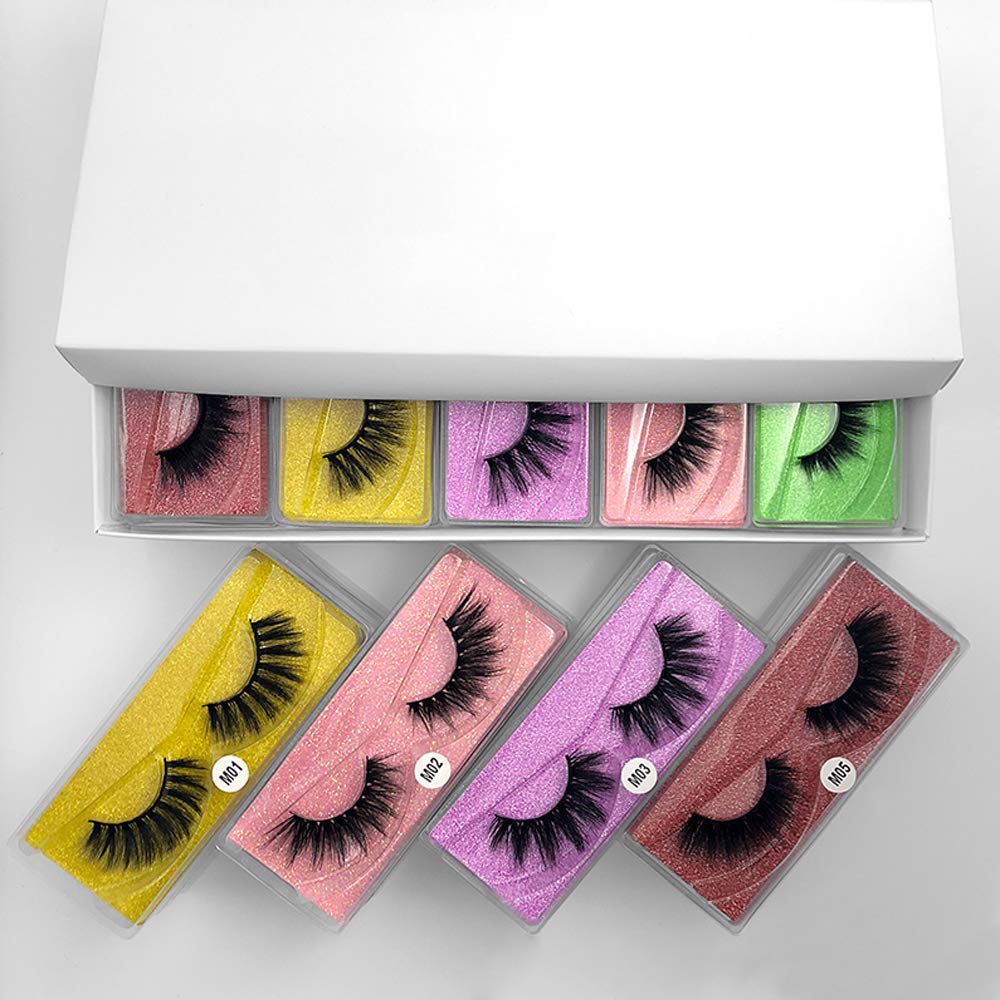
Why China still leads the global false eyelash supply chain
False eyelashes aren’t a “trend” product anymore—they’re a repeat-purchase category with constant style refreshes, strong gifting/seasonality, and room for premium positioning through packaging, comfort, and design. Over the last two decades, China has built a manufacturing ecosystem that’s hard to match: dense supplier networks, specialized material processing, mature hand-assembly skills, and fast iteration from concept to shelf.
For brands in the United States, United Kingdom, Canada, Australia, Germany, France, the UAE, and Saudi Arabia—markets where importers and eCommerce sellers frequently work with China sourcing agents—the opportunity is clear: source directly from established clusters, control quality, and build a private-label lash line that can scale.
The key is knowing where to source, which styles sell reliably, and how to avoid common pitfalls like inconsistent curl, glue odor, shedding, or packaging that looks great but fails in transit. That’s where a capable sourcing partner matters.
Ucsourcing works with buyers who want a repeatable, quality-controlled process—from supplier matching and sampling to inspection and shipping. If you’re comparing options, start with Ucsourcing’s end-to-end help for product sourcing and manufacturing support via our services page: https://ucsourcing.com/our-services/
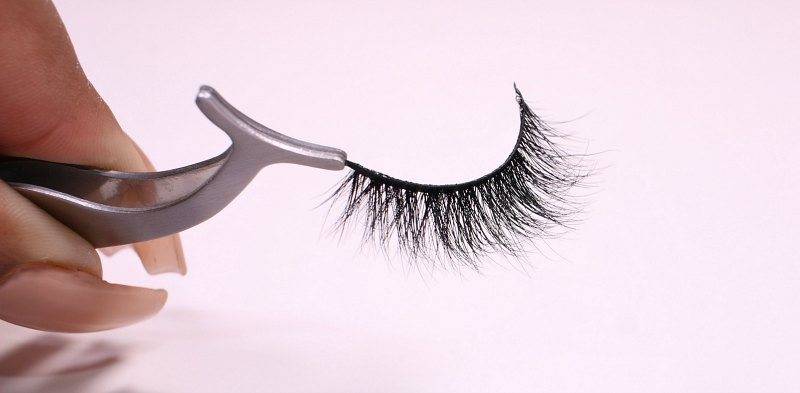
China’s main eyelash production clusters (and what each is best at)
China’s eyelash industry is organized around industrial clusters—cities and provinces where suppliers, raw material channels, mold/tooling support, packaging vendors, and logistics are close together. That proximity reduces cost and lead time, but more importantly, it makes customization and re-orders smoother.
Qingdao, Shandong (including Pingdu): high-volume production and broad style coverage
Qingdao is widely known in the trade as a major production hub. What buyers usually like here is the scale and variety: classic strip lashes, trendy styles, mixed-material sets, and reliable mid-to-high output factories that can support continuous replenishment.
If you’re building a line with multiple SKUs (natural, glam, wispy, doll-eye, etc.), Qingdao-area suppliers can be a strong fit—especially when you need consistent supply and stable craftsmanship for best sellers.
Xuchang, Henan: material supply advantage and “natural look” expertise
Xuchang is famous for hair-related supply chains, which supports manufacturing that aims for a soft, natural finish. If your brand positioning emphasizes “everyday wear,” lightweight comfort, or natural lash mapping, you’ll often find factories here that understand how to design for subtle density and believable taper.
Liaoning cluster (often associated with mink-style products and premium “feel”)
In the northeast, some manufacturers specialize in mink-style or luxury-effect lashes. Many global brands now prefer faux mink (synthetic alternatives) for ethical and compliance reasons, but the style language—wispy, layered, dramatic volume—still influences what buyers ask for.
A good sourcing approach here is to focus on faux mink and premium synthetic that recreates the look, while reducing regulatory complexity.
Guangdong (Guangzhou, Shenzhen, Dongguan): innovation, packaging, and higher-end presentation
Guangdong is often where you see faster changes in design, packaging, and product presentation. If you’re targeting higher AOV with premium unboxing, magnetic closures, or retail-ready packaging, suppliers here can be very strong—especially when you want packaging + product developed together as one coherent brand system.
For private label, packaging is frequently what customers notice first. Ucsourcing can support custom packaging strategy and execution through our dedicated packaging service: https://ucsourcing.com/private-label-packaging-service/
The best-selling eyelash styles buyers keep re-ordering
Fashion cycles change, but a handful of lash categories consistently dominate reorder behavior. These are the styles that tend to anchor a product line and fund your experimentation SKUs.
3D Mink look (often replicated as faux mink today)
These lashes sell because they create depth without looking “flat.” They’re typically layered and wispy, which gives that premium, airy glam effect.
Sourcing tip: Even if the market calls them “3D Mink,” many brands now use faux mink fibers for consistency, easier compliance, and more stable raw material pricing.
Faux Mink lashes (the workhorse bestseller)
Faux mink is popular because it’s soft, comfortable, and delivers the “mink look” without animal materials. Many brands choose faux mink for ethical messaging, smoother customs documentation, and predictable production.
Sable-style soft volume (natural but defined)
Sable-style lashes (or “sable look”) tend to be thinner and softer in effect. They’re often purchased by customers who want a natural finish—especially in markets where “clean makeup” and “soft glam” dominate.
Synthetic lashes (most affordable, most versatile)
Synthetic is the most flexible category for scaling. It supports a wide range of price points and styles, and it’s easier to standardize across factories.
Silk lashes (balanced structure, easy application)
“Silk” often refers to a blend of synthetic characteristics that makes lashes easier to apply: a slightly thicker base for adherence and finer ends for natural blending.
Magnetic lashes (convenience-driven segment)
Magnetic lashes are popular with customers who dislike adhesive. However, quality varies widely. The magnets must be aligned correctly, the band can’t be too stiff, and the set must survive repeated use.
Sourcing tip: Always require repeated open/close cycle tests and packaging drop tests—magnetic products fail silently when packaging shifts during shipping.
Doll-eye lashes (cute, wide-eye effect)
Doll-eye styles sell well on social platforms and are great for branded photography. They’re often longer in the center, with a clear curl profile.
Artistic lashes (including paper lashes and decorative concepts)
These are usually seasonal, editorial, or influencer-driven SKUs. They can be profitable, but they’re not always stable reorder products—treat them as “campaign items” rather than the backbone of your line.
What actually determines “quality” in false eyelashes
Buyers often focus on style photos, but long-term success comes down to repeatable product experience. When customers complain, it’s usually because of one of the following:
Consistency of curl, length, and symmetry
Two lashes in the same tray must look identical. If not, customers immediately lose trust. This is especially critical for multi-pack sets and subscription replenishment.
Band comfort and strength
The band should be flexible enough for comfort but strong enough to keep shape. Overly rigid bands feel uncomfortable; weak bands deform and lift at the corners.
Shedding and fiber retention
Good lashes should not shed excessively with normal wear and removal. Retention depends on fiber bonding, band construction, and handling during packaging.
Odor and residue (glue, dyes, additives)
Odor complaints destroy ratings fast. If your product includes adhesive or is packaged with glue, you need clear material declarations and practical checks.
Packaging durability
Beautiful packaging that arrives damaged is worse than plain packaging that arrives intact. You need retail-ready presentation and shipping survivability.

Comparison table: choosing materials and positioning your lash line
Below is a practical comparison to help you decide which products to prioritize for your brand and target market.
| Type / Style | Look & Feel | Typical Price Tier | Pros | Watch-outs | Best For |
|---|---|---|---|---|---|
| Faux Mink | Soft, wispy, premium | Mid–High | Ethical positioning, consistent supply, high perceived value | Needs strict quality control to avoid shedding | DTC brands, premium private label |
| Synthetic | Wide range, from natural to glam | Low–Mid | Cheapest, easiest to scale, stable production | Can look shiny if fiber quality is poor | High-volume SKUs, entry price points |
| Silk-style | Structured, easy to apply | Mid | Comfortable band options, easier user experience | Must validate curl consistency | “Everyday” collections, beginners |
| Magnetic | Convenient, reusable | Mid–High | Strong differentiation, less adhesive reliance | Magnet alignment, band stiffness, packaging stability | Convenience-focused customers |
| Doll-eye | Cute, wide-eye effect | Mid | Highly photogenic, social-friendly | Can be too dramatic if mapping is off | Influencer campaigns, trendy drops |
| Artistic / Paper | Decorative, editorial | Variable | High novelty, seasonal buzz | Lower reorder stability | Limited edition collections |
If you want to explore product categories and supplier-ready options, you can also browse Ucsourcing’s product scope here: https://ucsourcing.com/products/
A realistic sourcing workflow that protects your margin and your reviews
A professional lash sourcing process is not just “find a factory and place an order.” It’s a controlled workflow designed to protect your timeline, compliance, and customer feedback.
Step 1: Define your collection like a brand owner, not a reseller
Before requesting quotes, define:
-
Core SKUs (your reorder foundation)
-
Style map (curl, length, density, band type)
-
Target price and positioning (value / mid / premium)
-
Packaging requirements (tray, box, inserts, barcodes, language)
Step 2: Supplier shortlist based on cluster strengths
Match product type to the cluster that’s best suited:
-
High-volume variety: Qingdao region
-
Natural-look sourcing: Henan/Xuchang supply chain advantages
-
Premium presentation and packaging: Guangdong
Step 3: Sampling that tests reality—not just appearance
Sampling should include:
-
Wear test (comfort, lift, corner integrity)
-
Removal and reuse test (fiber retention)
-
Packaging test (drop, compression, temperature variation)
-
Photo test (how it actually looks on camera)
Step 4: Pre-production confirmation and QA checkpoints
Before mass production, lock:
-
Approved “golden sample”
-
Curl profile tolerance
-
Band thickness range
-
Acceptable defect rate
-
Packaging assembly method and glue use (if any)
Step 5: Inspection, packing list accuracy, and shipping coordination
Many buyers lose money through:
-
wrong counts in cartons
-
mixed SKUs
-
tray damage inside boxes
-
missing barcodes or incorrect labeling
A sourcing partner reduces these avoidable mistakes by coordinating inspections and packing details before goods leave the factory.
Ucsourcing supports this workflow end-to-end. If you want the operational side handled professionally (supplier matching, sampling, QC coordination, packaging, and shipping support), start here: https://ucsourcing.com/our-services/
FAQ
What is the best place in China to source false eyelashes?
It depends on your product goals. Qingdao (Shandong) is strong for scale and variety; Henan/Xuchang is often associated with natural-look supply chain advantages; Guangdong is excellent for premium packaging and faster design iteration.
Are faux mink eyelashes better than synthetic?
Not always “better,” but faux mink often delivers a softer premium feel and higher perceived value. Synthetic lashes can be excellent too—especially when fiber quality and band comfort are controlled.
How do I avoid inconsistent curl and uneven lash pairs?
Use a golden sample, define tolerances (curl, length, density), require in-line QC checks, and conduct random batch inspections before shipping.
Can I do private label packaging for eyelashes?
Yes. Private label usually includes customized lash trays, boxes, inserts, logo printing, and barcode labeling. Ucsourcing can help with packaging design and production through: https://ucsourcing.com/private-label-packaging-service/
Do I need special certifications to import eyelashes?
Requirements vary by destination country and materials. If your lashes include regulated animal materials, documentation needs become more complex. Many brands choose faux mink to simplify compliance and sourcing stability.
What minimum order quantity (MOQ) should I expect?
MOQ depends on factory type, material, and packaging complexity. Basic styles can have lower MOQs, while fully customized packaging and new molds may increase MOQ.
How long does production usually take?
Lead time varies by season and customization. Sampling + revisions can take time, and packaging often becomes the critical path. Build buffer into your launch calendar.
Should I source lashes and packaging from the same supplier?
If possible, yes—coordination is easier, and you reduce mismatch risk. If not, you need a partner to manage packaging compatibility, dimensions, and assembly workflow.
What are the most common quality problems in lash orders?
Inconsistent curl, shedding, deformed bands, odor/residue complaints, damaged trays during transit, and incorrect SKU counts in cartons.
How can I build a lash line that gets repeat customers?
Start with dependable everyday best sellers (faux mink, natural-look, light volume), add 1–2 trend SKUs for social content, and make packaging feel premium and consistent—then protect quality through inspections.
Work with Ucsourcing to build a repeatable eyelash supply chain
If your goal is to move beyond one-off orders and build a reliable private label eyelash business, the winning approach is simple: choose the right cluster, validate samples properly, lock your quality standards, and ship with inspection discipline.
Ucsourcing can help you source trustworthy factories, develop private label packaging, manage quality control, and coordinate export workflows—so you can focus on brand building and sales.
Contact us today
WAPhone / WhatsApp: +86-18026272594
Email: [email protected]