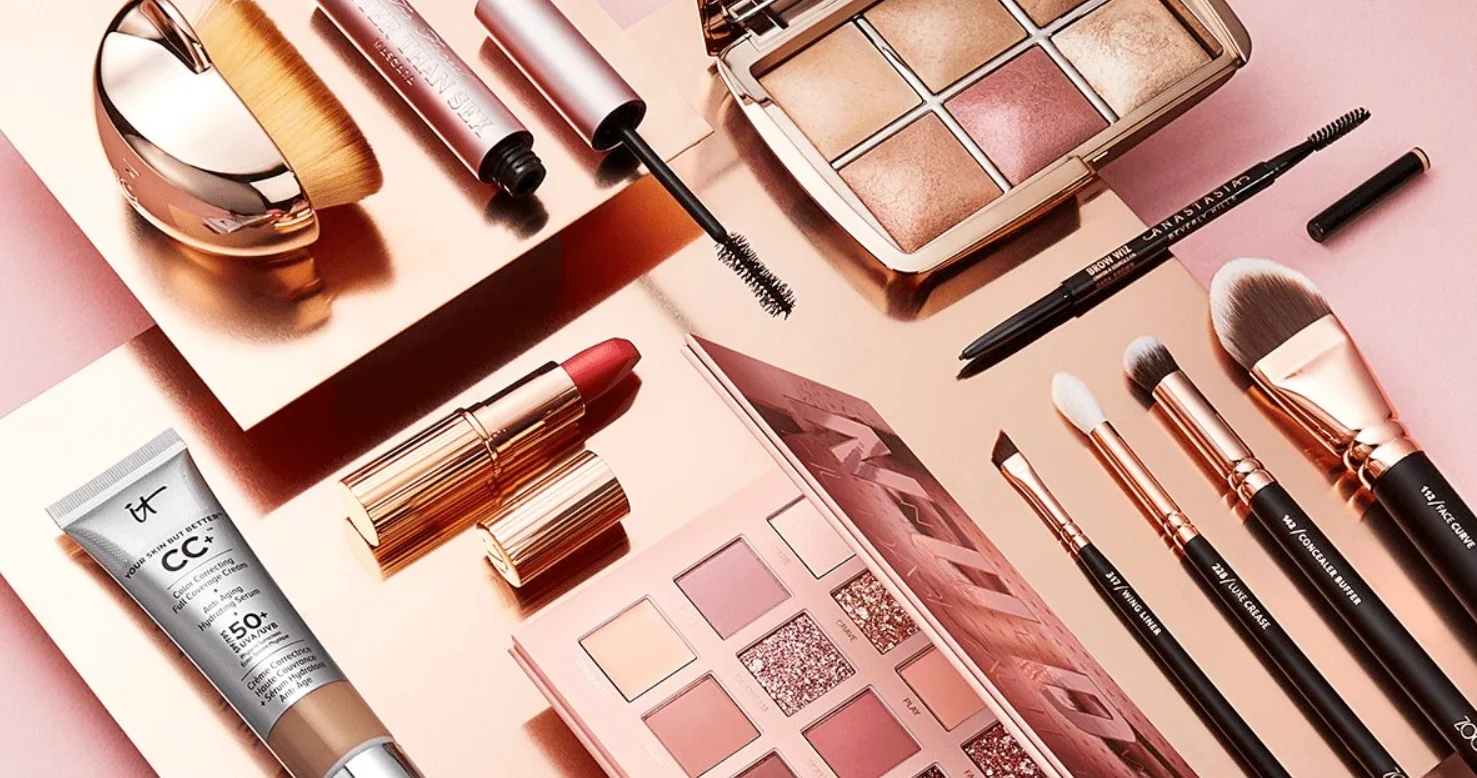
China has become one of the most influential manufacturing bases for the global beauty industry. From private label skincare to makeup tools, packaging solutions, and OEM cosmetic production, Chinese industrial clusters supply retailers and brand owners across the United States, United Kingdom, Canada, Australia, Germany, and other major importing markets.
For beauty entrepreneurs, Amazon sellers, boutique retailers, and brand founders, importing cosmetics from China can be highly profitable — but only when done correctly.
This guide explains where cosmetics are produced, how wholesale markets operate, how to import safely, and how to build a long-term private label cosmetics business.
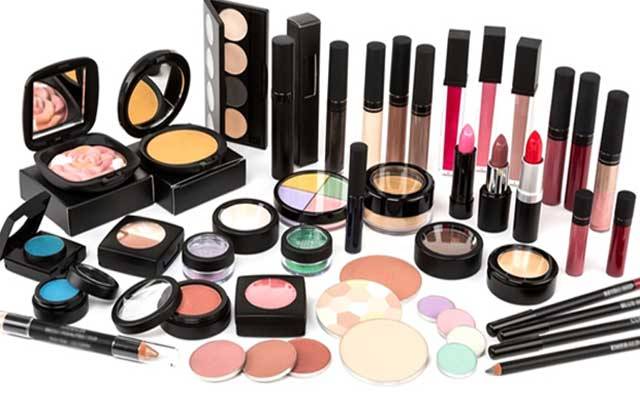
Why China Is a Global Hub for Cosmetics Manufacturing
China’s cosmetics ecosystem has matured over decades. The country offers:
-
Complete raw material supply chains
-
Advanced packaging manufacturing
-
Competitive labor costs
-
Strong OEM/ODM capability
-
Flexible MOQs for growing brands
-
Integrated logistics infrastructure
Additionally, China’s long-standing experience with herbal ingredients and natural formulations gives manufacturers a unique advantage in the natural and clean beauty segment.
For importers in North America and Europe, sourcing from China offers scalability — from small batch testing to full-scale brand expansion.
Major Cosmetics Industrial Clusters in China
While cosmetics products are available nationwide, production is concentrated in several core regions.
Guangzhou – The Heart of China’s Cosmetics Industry
Guangzhou is widely recognized as China’s largest cosmetics production and distribution center. It is home to:
-
Skincare OEM factories
-
Makeup manufacturing plants
-
Haircare production lines
-
Cosmetic packaging factories
-
Testing laboratories
Guangzhou’s wholesale markets include large beauty trade centers where thousands of suppliers operate under one roof. These markets are ideal for buyers seeking variety and price benchmarking.
Yiwu – Small Commodity & Beauty Tools Hub
Yiwu International Trade City is one of the largest wholesale marketplaces globally. While Yiwu is famous for small commodities, it is also a strong source for:
-
Makeup brushes
-
Cosmetic tools
-
Beauty accessories
-
Skincare packaging
-
Entry-level cosmetic products
Yiwu is particularly attractive for small to medium importers testing new product lines.
Other Notable Distribution Regions
| Region | Specialty Focus |
|---|---|
| Shanghai | Nail beauty, salon equipment |
| Wuhan | Central China beauty distribution |
| Chengdu | Skincare & retail cosmetics |
| Linyi | Daily-use cosmetic distribution |
These markets act more as distribution centers than manufacturing hubs.
Wholesale Market vs Direct Factory Sourcing
Many importers visit wholesale markets expecting factory-direct pricing. However, wholesale markets typically include:
-
Trading companies
-
Distributors
-
Brand agents
-
Small workshops
Finding real factories requires deeper supplier verification.

Below is a comparison:
| Aspect | Wholesale Market | Direct Factory |
|---|---|---|
| MOQ | Lower | Moderate to High |
| Customization | Limited | Full OEM/ODM |
| Branding | Rare | Private Label Possible |
| Pricing | Slight markup | Better at volume |
| Compliance Support | Minimal | Professional |
For importers building a private label cosmetics brand, working directly with verified manufacturers is more sustainable than purchasing ready-made wholesale goods.
How to Import Cosmetics from China Step by Step
Importing cosmetics involves more than choosing a product. Especially for buyers in the US, UK, Canada, Australia, and Germany, regulatory compliance is critical.
Step 1: Define Your Product Strategy
Before contacting suppliers, clarify:
-
Target market
-
Price positioning
-
Brand identity
-
Ingredient standards
-
Packaging requirements
-
Compliance certifications
If you are launching a private label skincare brand, formulation and packaging design must align with your positioning.
Our team supports full China sourcing services covering supplier identification, factory auditing, and product development.
Step 2: Supplier Selection & Verification
When sourcing cosmetics manufacturers, focus on:
-
GMP certification
-
ISO standards
-
MSDS documentation
-
Ingredient transparency
-
Export experience
-
Production capacity
Avoid choosing suppliers based only on price. Compliance failures can result in customs rejection in Europe or North America.
Step 3: Sample Testing
Always test:
-
Texture
-
Stability
-
Scent
-
Skin reaction
-
Packaging durability
For regulated markets like the EU, additional safety documentation may be required.
Step 4: Private Label & Packaging Development
Packaging significantly influences consumer perception.
Through our private label and packaging service, we help brands develop:
-
Custom printed boxes
-
Logo application
-
Eco-friendly packaging
-
Retail-ready labeling
-
Barcode integration
-
Regulatory labeling compliance
A professional design team ensures your brand stands out in competitive markets.
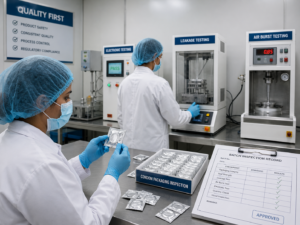
Step 5: Mass Production & Quality Control
Production management includes:
-
Raw material inspection
-
In-process quality control
-
Final product inspection
-
Batch consistency verification
Independent quality checks reduce risk before shipment.
Step 6: Shipping & Import Logistics
Cosmetics often fall under special shipping classifications. Documentation may include:
-
MSDS
-
COA (Certificate of Analysis)
-
Ingredient list
-
Export declaration
Working with experienced logistics partners ensures smooth customs clearance.
Why Global Beauty Brands Use Sourcing Partners
Importers from developed markets increasingly rely on sourcing companies rather than navigating wholesale markets alone.
Advantages include:
-
Factory network access
-
Industrial cluster knowledge
-
Language fluency
-
Price negotiation expertise
-
Production supervision
-
Quality assurance
-
Consolidated shipping
UC Sourcing provides curated access to verified manufacturers across key clusters and offers support through our structured product sourcing categories.
Instead of visiting multiple wholesale stalls, clients receive consolidated solutions.
Common Challenges in Cosmetics Importing
Regulatory Compliance
Different countries have specific cosmetic regulations:
-
FDA requirements (USA)
-
CPSR compliance (EU/UK)
-
Health Canada guidelines
-
TGA regulations (Australia)
Manufacturers must provide ingredient transparency and safety documentation.
Ingredient Control
Natural or herbal positioning requires clear sourcing documentation.
Brand Differentiation
The beauty industry is highly competitive. Packaging design and product formulation innovation are critical.
Minimum Order Quantities
Factory MOQs may be higher than wholesale markets, but long-term margins improve with volume.
Building a Long-Term Cosmetics Brand
Many successful importers begin by testing small quantities and gradually scale to full private label production.
Sustainable strategy includes:
-
Choosing a focused product niche
-
Developing consistent branding
-
Maintaining strict quality control
-
Building repeat orders
-
Expanding SKUs within the same category
China’s industrial ecosystem allows scalable production once brand validation is achieved.
Frequently Asked Questions
Is buying from wholesale markets cheaper than factories?
Wholesale markets may offer lower MOQs but typically include intermediary markups. Factories provide better pricing at scale.
Can I launch a private label skincare brand from China?
Yes. Many OEM manufacturers support full private label production including formulation and packaging.
What certifications are required to import cosmetics to the US or EU?
Requirements vary. Typically include MSDS, ingredient disclosure, safety testing, and labeling compliance.
Is Guangzhou better than Yiwu for cosmetics?
Guangzhou is stronger in manufacturing and OEM. Yiwu is stronger in beauty accessories and small-volume sourcing.
How long does cosmetic production take?
Sampling usually takes 1–3 weeks. Mass production ranges from 20–40 days depending on complexity.
Can small businesses start importing cosmetics from China?
Yes. Starting with lower MOQs or product testing is common before scaling.
Conclusion: A Structured Approach Wins in the Beauty Industry
China offers enormous opportunity for cosmetics importers. However, success depends on:
-
Verified supplier selection
-
Compliance awareness
-
Private label strategy
-
Quality control
-
Logistics planning
Wholesale markets are useful for exploration, but sustainable brand growth requires structured sourcing and production management.
If you are building a cosmetics brand or expanding your beauty product line, UC Sourcing provides professional guidance from product development to packaging and global shipping.
Contact us today to discuss your cosmetic sourcing project and build a reliable supply chain tailored to your market.