Why CE and UKCA Still Confuse Even Experienced Importers
If you sell in Europe, product compliance isn’t a “nice-to-have”—it’s the difference between smooth customs clearance and stock that can’t legally be placed on the market. Most buyers learn this the hard way: a product arrives, the listing goes live, and then a marketplace audit or local authority request asks for documents you don’t have.
This problem shows up most often for importers in countries where cross-border e-commerce and private label growth are strong—the United States, the United Kingdom, Germany, France, Italy, Spain, the Netherlands, Poland, Canada, Australia, and the UAE. These markets have a lot of brands that design and sell globally, but rely on China for manufacturing. That’s exactly where compliance gaps happen: the design team is in one country, the factory is in another, and the legal responsibility sits with the “economic operator” placing the product on the EU/UK market.
UCSourcing works with importers in those situations every day—helping them source products, verify suppliers, manage inspections, and align packaging and documentation so shipments don’t become expensive surprises. (You can see what we cover under product sourcing and compliance-ready operations.)
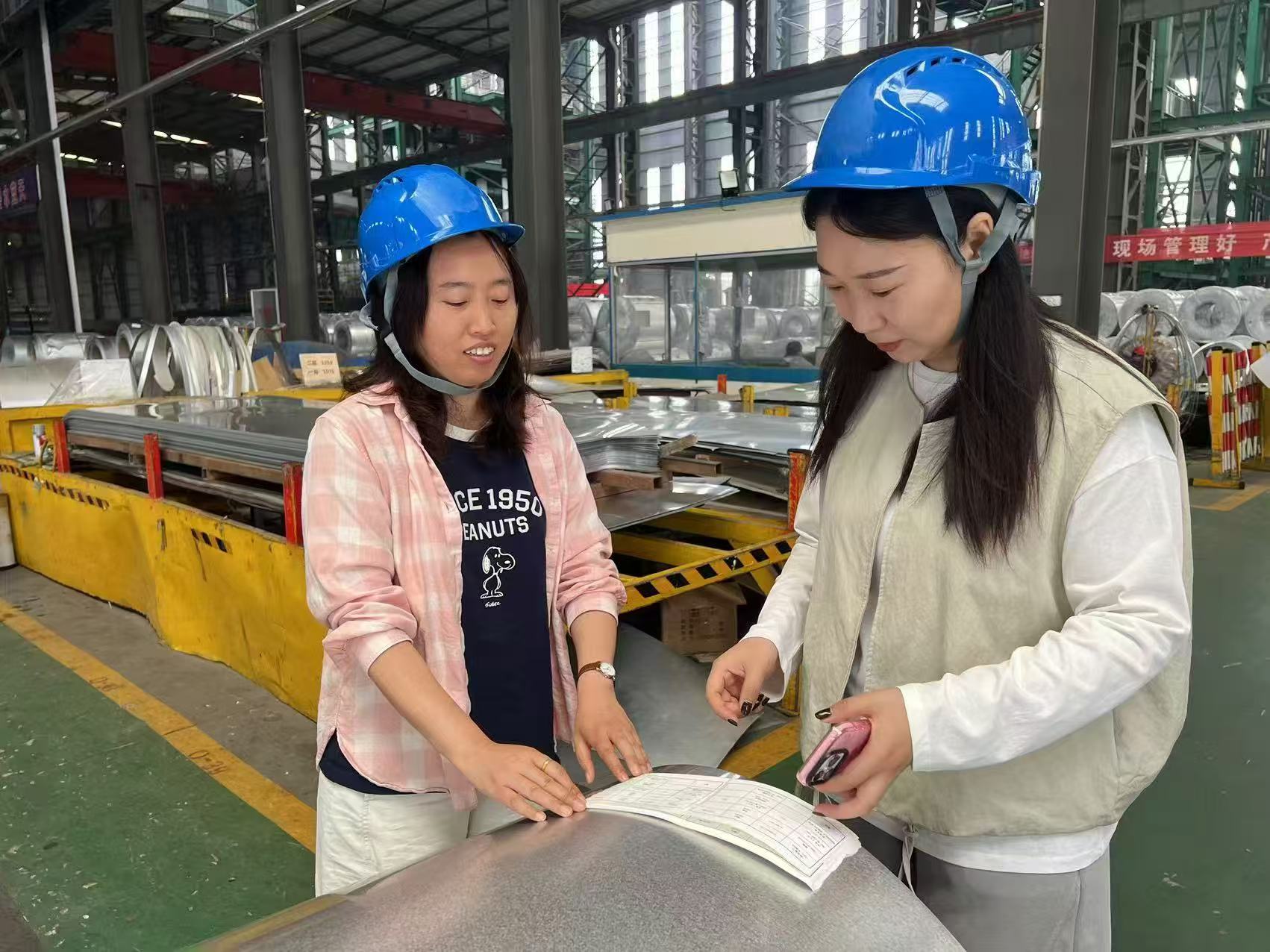
What CE Marking Really Means (And What It Does Not)
The CE mark is a conformity mark used for many regulated product categories in the European Economic Area. In practical terms, it signals that the product meets applicable EU requirements and can be legally sold where CE applies.
A few points that matter in real life:
-
CE is not a “quality award.” It’s a compliance claim tied to specific directives/regulations.
-
Not every product needs CE. Only product categories covered by CE legislation do.
-
CE is not a single certificate. Depending on the category, you may need testing, a technical file, a Declaration of Conformity, and sometimes a notified body involvement.
CE Marking in the UK: The Reality After Brexit (Great Britain vs Northern Ireland)
This is where many sellers get caught by outdated blog posts.
Great Britain (England, Scotland, Wales)
The UK introduced UKCA as its conformity marking, but the UK government has updated its approach so businesses can keep flexibility.
Current official guidance states the previous CE recognition end date was removed, and the government intends to continue recognizing CE for a range of products, giving businesses flexibility to use either UKCA or CE in Great Britain.
That doesn’t mean “ignore UKCA forever”—it means you should decide marking strategy based on:
-
your product category,
-
your route-to-market (Amazon, distributors, retail),
-
labeling constraints,
-
and which conformity assessment path you’re using.
Northern Ireland
Northern Ireland follows a different framework. For certain situations, if conformity assessment is done by a UK body (where required), you may need CE + UKNI, and products with CE + UKNI generally cannot be placed on the EEA market.
If you sell both in the EU and Northern Ireland, your marking decision affects where goods can legally circulate—so it’s worth getting this right early, before packaging is printed.
Which Products Typically Require CE Marking
While the exact scope depends on the EU directive/regulation, CE commonly shows up in categories such as:
-
electronics and many electrical items (safety + EMC in many cases)
-
toys
-
machinery
-
PPE (some types)
-
certain medical-related products (regulated differently but often CE-marked under specific rules)
The fastest way to reduce risk is to start from your exact product’s intended use, features, and target market—and map it to the relevant EU legislation. If you’re sourcing from China, don’t rely on a factory’s “Yes, we have CE” message alone. You want to know which directive(s) and which test standard(s) they mean.
The Compliance Workflow Importers Should Follow (A “No Panic” Checklist)
Below is the process we recommend for importers doing private label or regular importing into EU/UK.
Step 1: Confirm the target market and “who is responsible”
Compliance responsibility is tied to who places the product on the market. If you sell under your brand, you usually carry more responsibility than you expect.
Step 2: Identify the applicable EU/UK rules
This determines:
-
whether CE is required,
-
whether UKCA is required/strategic,
-
whether a notified body is needed,
-
and what documentation you must hold.
Step 3: Build your technical documentation set
Common items include:
-
product specs and BOM
-
test reports (to relevant standards)
-
risk assessment (for some categories)
-
labeling files (artwork proof + mark sizing/placement logic)
-
EU Declaration of Conformity (DoC) when applicable
Step 4: Verify the supplier’s compliance claims
This is where many importers get burned:
-
a “CE certificate” that doesn’t match the product
-
a test report from a lab with unclear scope
-
wrong company name/entity on documentation
-
outdated standards (especially in electronics categories)
UCSourcing’s supplier verification and inspection workflow is designed to surface these issues before mass production. (Overview: UCSourcing services.)
Step 5: Align packaging + labeling before printing
If you’re doing private label, compliance is not just the product—it’s also the packaging, labels, user manual language requirements, warnings, and traceability fields.
If you also need packaging design and execution, this is exactly what our team supports through private label packaging service.
Comparison Table: CE vs UKCA vs UKNI (What Importers Actually Need to Decide)
| Marking | Where it applies | Typical use case | Key importer risk |
|---|---|---|---|
| CE | EU/EEA (and often accepted for many goods in Great Britain per current UK policy) | Selling into EU, or choosing CE for GB where allowed | Fake/incorrect documentation; wrong directive/standard mapping |
| UKCA | Great Britain | Selling into GB with UK-focused marking strategy | Packaging rework; supply chain split if you also sell EU |
| CE + UKNI | Northern Ireland (in specific conformity assessment scenarios) | NI placement when UK body used (where required) | Products with CE+UKNI generally can’t be placed on EEA market |
Common Mistakes When Sourcing CE/UKCA Products from China
Mistake 1: Treating “CE” as a document you can buy
CE is not something you “purchase” as a standalone. For many categories it’s the result of meeting requirements, supported by documentation and testing.
Mistake 2: Printing packaging before compliance is confirmed
Packaging is expensive to reprint, and compliance marks aren’t the only issue—warnings, importer info, model IDs, manuals, and language requirements all matter.
Mistake 3: Mixing EU and UK requirements without a plan
If you sell in the EU + GB + NI, you need a deliberate labeling/documentation strategy. UK government guidance emphasizes flexibility in GB, but you still need to know which rules apply to your product.
Mistake 4: Choosing suppliers only based on “lowest price”
For regulated categories, the cheapest supplier often cuts corners on material consistency, traceability, or documentation discipline. You might not notice until your product is already in-market.

How UCSourcing Supports Compliance-Ready Importing (Not Just “Finding a Factory”)
UCSourcing is a China-based sourcing company supporting global importers with:
-
product sourcing and supplier verification
-
quality inspection and pre-shipment checks
-
custom packaging execution
-
logistics coordination
You can browse categories we commonly handle here: UCSourcing products.
For compliance-heavy categories, our practical value is “closing the loop” between what you sell online and what’s produced in the factory—so your documents, labeling, and delivered goods match.
FAQ
Do all products need CE marking to sell in Europe?
No. CE applies to specific regulated product categories. If your product isn’t within scope, CE isn’t required—but other EU rules (like general product safety, labeling, or chemical restrictions) may still apply depending on category.
Is CE still valid in Great Britain in 2026?
UK guidance indicates the previous CE recognition end date was removed and that recognition of EU requirements (including CE) is being continued for a range of product regulations, allowing flexibility to use CE or UKCA in Great Britain.
What’s the difference between Great Britain and Northern Ireland rules?
Great Britain uses UKCA as the UK mark, with CE recognition continuing for many products. Northern Ireland follows a different framework; in certain cases you may need CE plus UKNI, and CE+UKNI goods generally can’t be placed on the EEA market.
Can a Chinese factory “issue CE” for me?
Factories can provide test reports and supporting materials, but the party placing the product on the EU market must ensure compliance and hold the required documents. Treat factory-provided files as inputs to verify—not as the final answer.
What documents should I keep for CE compliance?
Commonly: test reports to relevant standards, technical documentation, labeling/packaging proofs, and an EU Declaration of Conformity (when required). Requirements vary by product category.
What is a “fake CE mark” risk in practice?
Usually it’s not the logo alone—it’s when the documentation doesn’t match the product model/spec, the directive is wrong, the standard is outdated, or the lab scope is unclear. That risk shows up during marketplace audits, customs checks, or customer incidents.
Does CE help me sell in the USA?
The US has its own regulatory framework (for example FCC for some electronics). CE doesn’t automatically satisfy US requirements.
When should I start compliance work—before or after sampling?
Start during sampling. That’s the best time to confirm standards, required markings, and packaging layout before mass production.
If I do private label packaging, do I need to change the compliance documents?
Often yes—because branding, model numbers, manuals, importer details, and traceability fields can change. Packaging and documents should match the final product as sold.
Can UCSourcing help with sourcing + packaging + shipping in one workflow?
Yes—UCSourcing provides sourcing, packaging, inspection, and logistics support as one supply chain workflow.
Contact UCSourcing (Get a Compliance-Ready Quote)
If you’re sourcing from China and selling into the EU/UK, we can help you avoid the common traps—incorrect supplier claims, mismatched documents, packaging errors, and last-minute shipping delays.
-
Phone / WhatsApp: +86-18026272594
-
Email: [email protected]
Start here: