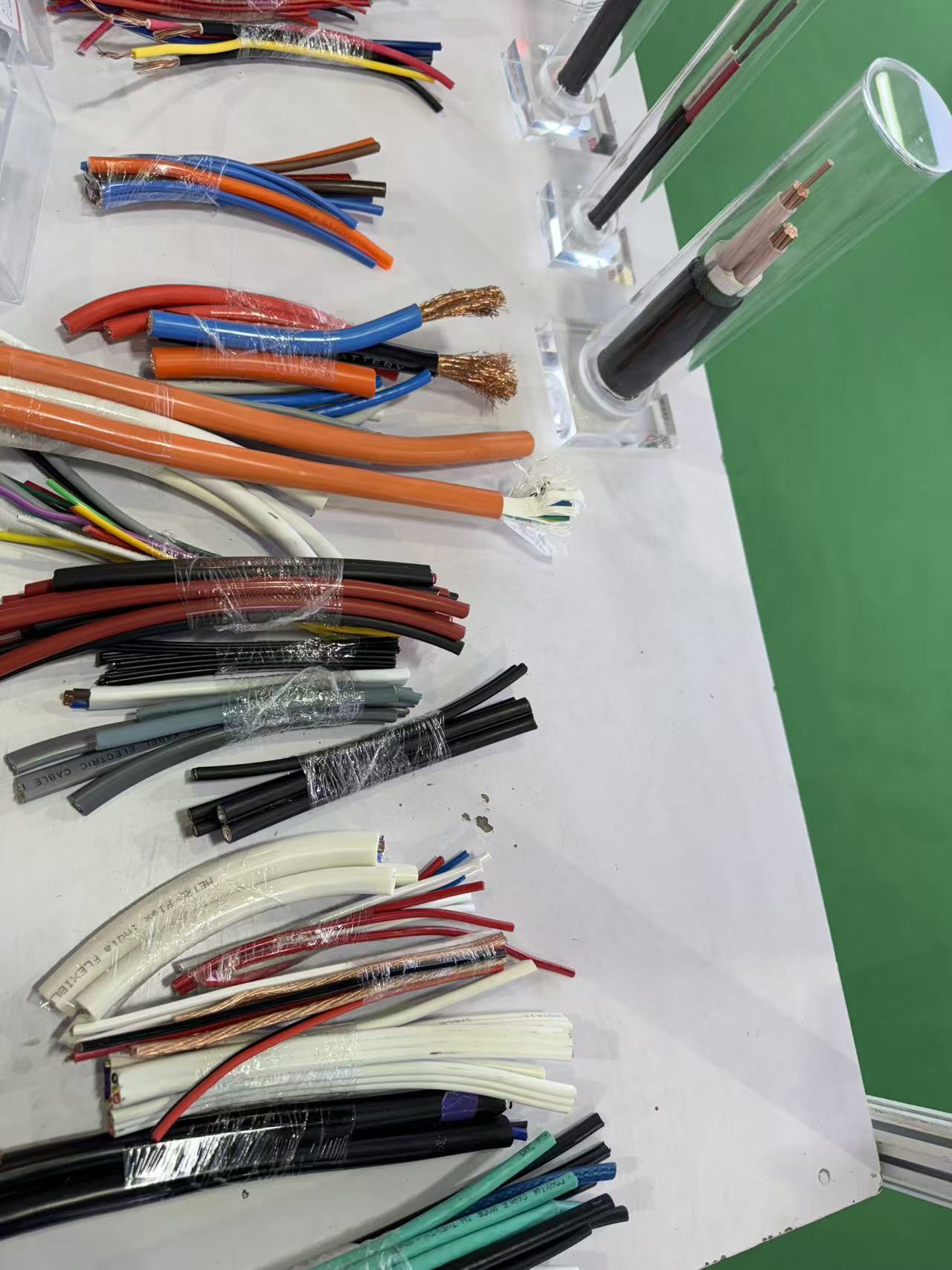
A cheap cable can look good on paper—but one wrong standard, weak insulation, poor copper content, or missing certificate can turn a profitable order into a serious problem.
For importers, wholesalers, contractors, and project buyers, cable sourcing is not only about price. It is about safety, correct certification, stable quality, strong packaging, and whether the cable can actually work in your local market.
That is why choosing the right cable supplier in China matters.
What Cable Products Can You Source?
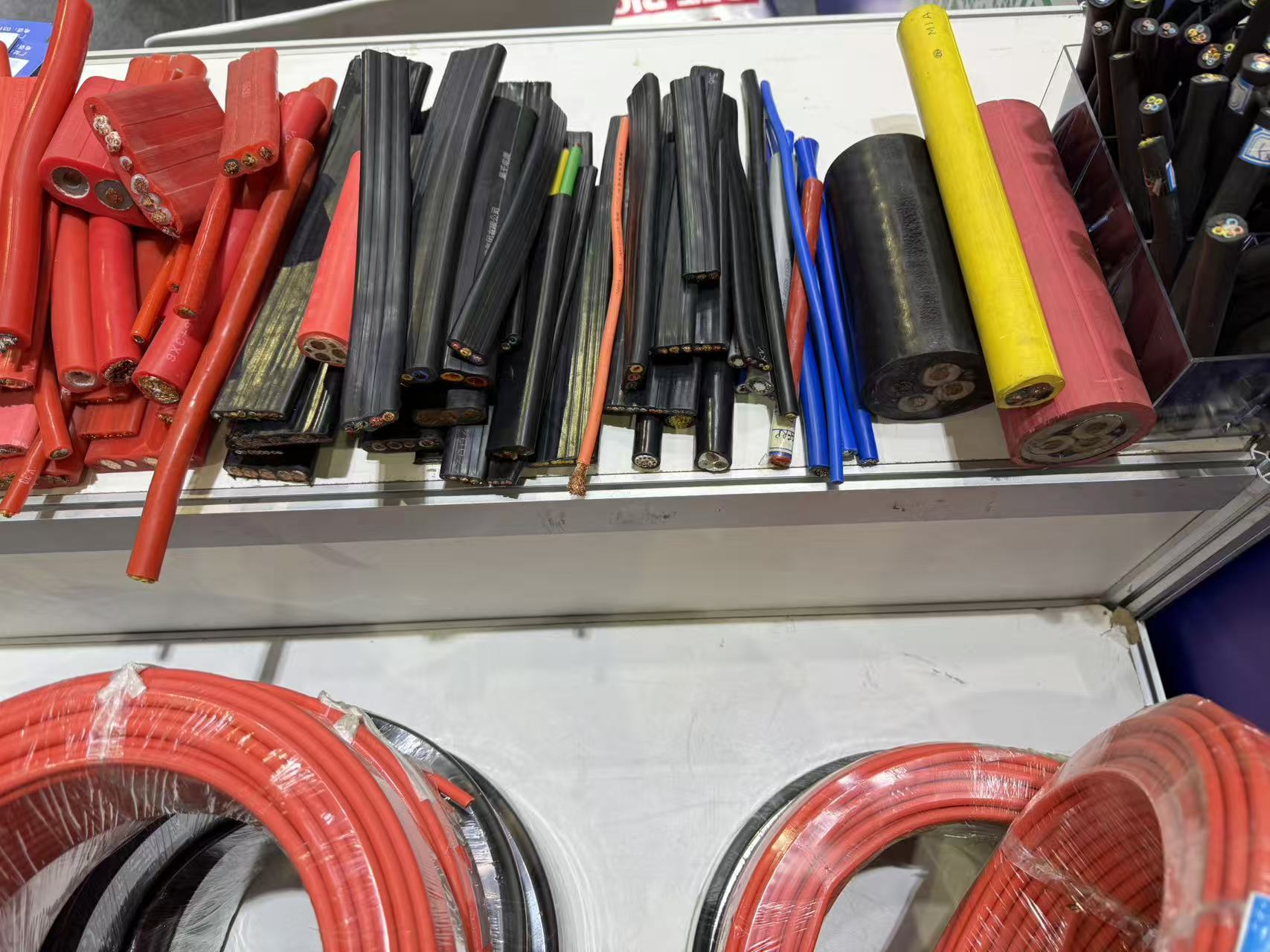
Different markets need different cable products. Some buyers need fast-moving construction wire. Some need solar cable. Others need industrial power cable or flexible cable for appliances.
Common cable products include:
| Cable Type | Common Use |
|---|---|
| THHN / THW Wire | Building wiring, panels, construction projects |
| Solar Cable / PV Cable | Solar panels, inverters, rooftop solar, solar farms |
| Low Voltage Power Cable | Factories, buildings, warehouses, distribution systems |
| Medium Voltage Cable | Utilities, mining, infrastructure, industrial power |
| RVV Flexible Cable | Appliances, tools, lighting, extension products |
| Cable Accessories | Cable clips, cable clamps, cutters, reels, packing support |
The best cable is not always the cheapest one. It is the one that matches your market, your voltage requirement, your safety standard, and your customer’s real use.
Cable Safety Standards by Market
Before placing an order, buyers should confirm which standard their market needs. Cable is a safety-sensitive product, so certification cannot be checked after production. It should be confirmed before sampling and quotation.
| Market | Common Standards / Requirements | What Buyers Should Check |
|---|---|---|
| Europe | CE, Low Voltage Directive, CPR, EN 50575, EN 50618 for solar cable | Fire performance, low-smoke material, voltage rating, CE documents |
| United States | UL, NEC-related requirements, UL 83 for THHN/THW wire | UL listing, conductor size, insulation, voltage, cable marking |
| Canada / North America | CSA / Canadian Electrical Code, UL-related products for some applications | CSA/UL compatibility, AWG size, jacket marking |
| Mexico | NOM electrical installation requirements | Product category, local import and installation rules |
| South America | Brazil INMETRO, Colombia RETIE, IEC-based project requirements | Local certification, Portuguese/Spanish labels, project documents |
| Africa | Nigeria SONCAP, South Africa SANS 1507, IEC-based requirements in many projects | Import clearance documents, inspection, test report, local market demand |
The EU Low Voltage Directive covers electrical equipment within defined voltage limits, and the EU Construction Products Regulation gives a common framework for construction product performance information. UL 83 covers 600 V single-conductor thermoplastic-insulated wires used under U.S., Canadian, and Mexican electrical codes. Brazil has INMETRO rules for electrical wires, cables, and flexible cords, while Colombia’s RETIE applies to manufacturers, importers, distributors, and installers in the electrical industry. Nigeria uses SONCAP as a pre-shipment conformity process, and South Africa commonly uses SANS 1507 for fixed-installation power cables.
What Should Buyers Check Before Ordering Cable?
1. Confirm the real application
Do not only ask, “What is your best price?”
Ask first:
Is this cable for indoor or outdoor use?
Is it for construction, solar, factory, mining, or household products?
Will it face heat, rain, sunlight, oil, or heavy-duty installation?
Does the buyer need copper, aluminum, tinned copper, PVC, XLPE, LSZH, or EPR insulation?
A cable for indoor wiring is not the same as a cable for rooftop solar or coastal projects.
2. Check certification before production
Many cable problems happen because the buyer confirms the certificate too late.
Before you pay a deposit, check:
certificate type
test report
factory qualification
cable marking
voltage rating
conductor size
standard number
label language
destination country requirement
For example, solar cable for Europe may need EN 50618 or IEC 62930. IEC 62930 applies to photovoltaic cables used on the DC side of PV systems up to 1.5 kV DC.
3. Do not ignore copper content
Cable price can change a lot depending on copper purity, conductor structure, insulation thickness, and jacket material.
Some low-price suppliers may reduce copper content, use poor insulation, or make the cable length shorter than promised. This is difficult to see from photos, so buyers should check samples, technical data sheets, and pre-shipment inspection.
4. Pay attention to packing and shipping
Cable is heavy. Bad packing can cause broken reels, damaged drums, mixed specifications, moisture problems, and higher freight costs.
Before shipping, confirm:
reel size
carton or wooden drum packing
pallet strength
gross weight
CBM
shipping marks
cable length per roll
mixed-model sorting method
Good packing saves time when your warehouse receives the goods.
Common Problems When Buying Cable from China
Many buyers do not lose money because they chose China. They lose money because they chose the wrong supplier or did not control the details.
Common problems include:
wrong cable standard
unclear cable printing
weak insulation
incorrect conductor size
short length per roll
missing certificate
poor reel packing
delayed shipment
high freight cost after production
supplier communication problems
This is where UCSOURCING can help.
How UCSOURCING Helps You Source Cable from China
UCSOURCING works as your China sourcing agent to help reduce risk before you place the order.
We can help buyers:
find suitable cable suppliers
compare factory quotations
check cable specifications
confirm certification requirements
arrange samples
follow production
inspect cable quality and packing
coordinate shipping
support small and medium-sized orders
For many small and medium buyers, the biggest problem is not finding a cable factory. The real problem is knowing whether that factory is suitable, whether the cable meets the market standard, and whether the goods will arrive correctly.
UCSOURCING helps make the process easier, safer, and more controlled.
Why Cable Still Has Big Market Potential
Cable is used everywhere: homes, buildings, solar projects, factories, farms, warehouses, mining sites, power systems, and infrastructure.
As more countries invest in construction, renewable energy, industrial upgrades, and electrical safety, reliable cable products will continue to have strong demand.
For buyers, this means one thing: if you choose the right product, the right standard, and the right supplier, the market opportunity can be much bigger than one single order.
A good cable order can become repeat business.
A stable supplier can become a long-term advantage.
A safe product can build trust with your customers.
Réflexions finales
Cable sourcing should never be based on price alone.
The right cable must match your market, safety standard, application, climate, packing requirement, and customer expectation.
If you are looking for cable suppliers in China, UCSOURCING can help you source the right products, reduce communication problems, check quality before shipment, and make your import process smoother.
The cable market has strong potential, and the right sourcing decision can open up unlimited possibilities.
UCSOURCING looks forward to working with you.
Talk to a Sourcing Expert:https://ucsourcing.com/contact-us/