For most international buyers sourcing from China and other manufacturing hubs, Alibaba Trade Assurance is often the first layer of “security” they encounter. It looks simple on the surface: pay through Alibaba, get protection if something goes wrong. But in real sourcing operations, especially for importers working across multiple suppliers, categories, and customization levels, the real risks are far more nuanced.
À Sous-traitance, we see a consistent pattern: Trade Assurance reduces risk, but it does not replace supplier management, product control, or sourcing expertise. This article breaks down how Trade Assurance really works in practice, where it helps, where it fails, and how experienced buyers combine it with sourcing agents and private label systems to build stable supply chains.
What Alibaba Trade Assurance Actually Solves (and What It Doesn’t)
Alibaba Trade Assurance is designed as a transaction protection tool. It ensures that suppliers must ship on time and meet agreed product specifications before funds are released.
In theory, it covers three core risks:
- Payment fraud (supplier never ships)
- Late shipment
- Major product mismatch
However, experienced importers quickly realize that the system depends heavily on one thing: the clarity and enforceability of the order contract.
If your specifications are vague, Trade Assurance becomes difficult to enforce. If your inspection process is weak, disputes become harder to prove. And if your supplier is unresponsive, even “protected” transactions can turn into long resolution cycles.
This is why many buyers eventually shift toward structured sourcing systems like
👉 https://ucsourcing.com/our-services/
Why Trade Assurance Alone Is Not a Sourcing Strategy
Trade Assurance is often misunderstood as a “safe sourcing method.” In reality, it is only a payment layer.
Professional importers care about:
- Factory capability verification
- Price benchmarking across regions
- Suivi de la production
- Quality consistency
- Packaging and branding control
- Logistics optimization
Trade Assurance does none of these.
This is especially important in countries where sourcing agents are widely used, such as:
- United States (Amazon sellers and eCommerce brands)
- United Kingdom (retail importers)
- Germany (industrial buyers)
- Australia (small business importers)
- Middle East trading hubs (UAE, Saudi Arabia)
- Southeast Asia import distributors
In these markets, Trade Assurance is used as a backup—not the core sourcing system.
Trade Assurance vs Sourcing Agent Model: Real Operational Difference
To understand why experienced buyers rely on sourcing agents, we need to compare the two models directly.
Trade Assurance vs Sourcing Agent Comparison
| Dimension | Alibaba Trade Assurance | Sourcing Agent Model (Ucsourcing) |
|---|---|---|
| Supplier selection | Open marketplace, unfiltered | Pre-vetted factory network |
| Price control | Buyer negotiates individually | Bulk negotiation leverage |
| Quality control | Post-order inspection only | Pre + during + post production QC |
| Product development | Limited supplier capability | Full private label support |
| Packaging control | Supplier-dependent | Structured private label system |
| Risk handling | Dispute-based | Preventive risk management |
| Communication | Fragmented | Centralized coordination |
| Scalability | Hard for multi-SKU brands | Built for scaling brands |
This is where sourcing support becomes critical:
👉 https://ucsourcing.com/private-label-packaging-service/
The Hidden Problem in Alibaba Trade Assurance Orders
Most disputes under Trade Assurance do not come from fraud—they come from misunderstanding.
Common issues include:
1. Unclear product specifications
Color, size, material, and tolerances are often not defined precisely enough.
2. Packaging ambiguity
Suppliers may quote low product prices and later inflate packaging costs.
3. Weak inspection standards
“Good quality” is not measurable unless inspection criteria are defined.
4. Shipping assumptions
Many buyers fail to clarify Incoterms and freight responsibility.
5. Sample mismatch ignored
Buyers approve samples too quickly, then expect mass production consistency.
These problems are not solved by Trade Assurance—they are solved by sourcing discipline.
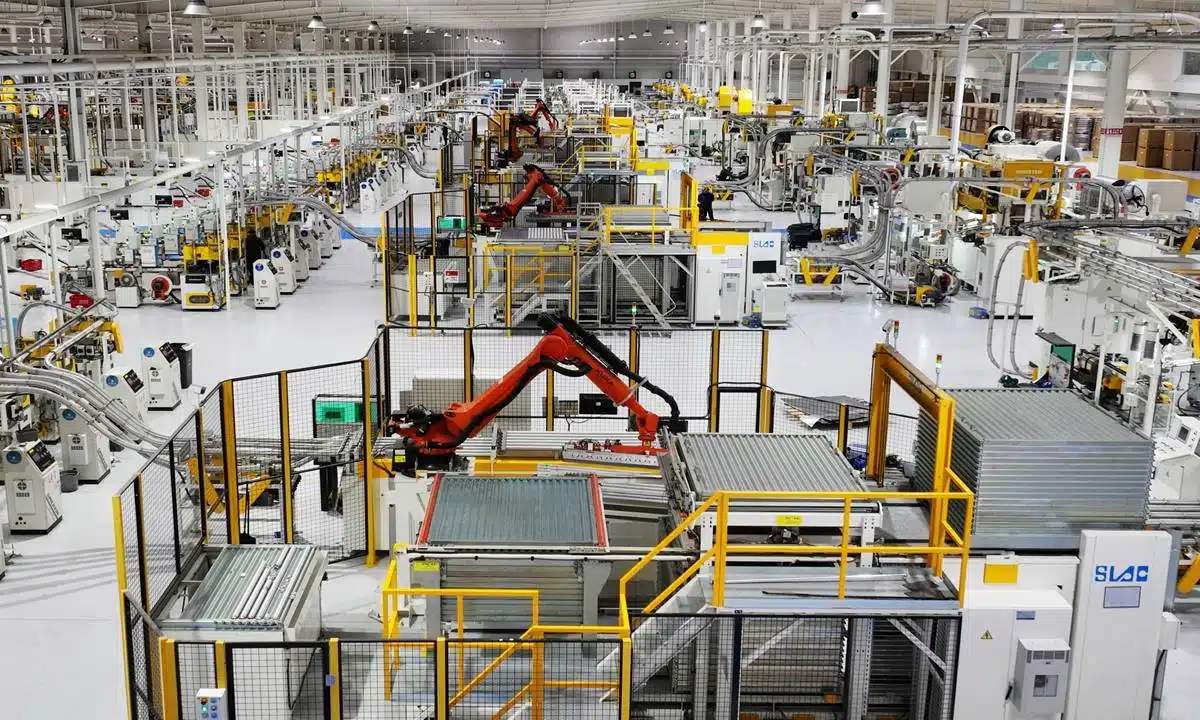
Why Experienced Importers Use RFQ + Agent + Trade Assurance Together
The most efficient sourcing workflow is not choosing between systems, but combining them strategically:
- RFQ or marketplace sourcing (Alibaba)
- Supplier shortlisting
- Sourcing agent validation
- Sample testing + packaging planning
- Trade Assurance order execution
- Third-party inspection before shipment
Trade Assurance becomes the final checkpoint—not the starting point.
For product sourcing execution support:
👉 https://ucsourcing.com/products/
Quality Control: The Real Weak Point in Trade Assurance
One of the most critical limitations of Trade Assurance is timing.
Inspection happens too late.
By the time a dispute is opened:
- Goods are already produced
- Shipping is already booked
- Supplier leverage is high
- Time cost is already incurred
This is why professional buyers rely on:
- Pre-production sample approval
- Mid-production inspection
- Pre-shipment inspection
Without these layers, Trade Assurance is reactive, not preventive.
Case Insight: Why Disputes Still Fail Even with Protection
Even when buyers win disputes, outcomes are often not ideal:
- Partial refunds instead of full refunds
- Long resolution cycles (2–6 weeks)
- Evidence burden fully on buyer
- Operational delays impacting sales
In fast-moving eCommerce markets, time loss often costs more than product loss.
The Role of Private Label in Reducing Trade Assurance Risk
Private label sourcing fundamentally reduces Trade Assurance dependency.
When buyers control:
- Product specification sheets
- Packaging structure
- Branding requirements
- QC standards
They reduce ambiguity, which is the root cause of most disputes.
This is why private label systems are becoming the default for Amazon, Shopify, and DTC brands.
Why Trade Assurance Works Better with Structured Procurement Systems
Trade Assurance performs best when:
- Supplier is already vetted
- Product specs are standardized
- Packaging is clearly defined
- QC standards are pre-agreed
- Logistics terms are fixed
Without this structure, it becomes a reactive dispute system instead of a proactive protection system.
FAQ: Alibaba Trade Assurance and Real Sourcing Risks
Is Alibaba Trade Assurance enough to guarantee product quality?
No. It only guarantees contract compliance, not actual quality performance. Quality must be controlled through inspections and supplier management.
Can Trade Assurance prevent scams?
It reduces payment risk but cannot prevent misleading listings, sample manipulation, or quality degradation during production.
Do all Alibaba suppliers support Trade Assurance?
Most do, but support does not indicate reliability or manufacturing capability.
What is the biggest mistake buyers make?
Relying on Trade Assurance instead of defining strict product specifications and inspection standards.
Should small businesses use Trade Assurance only?
Small businesses should use it as a payment layer, not a sourcing strategy.
Key Takeaways for Importers
Trade Assurance is useful, but it is not a sourcing system.
The real competitive advantage comes from:
- Supplier intelligence
- Cost benchmarking
- Production control
- Packaging strategy
- Inspection systems
This is why many global buyers eventually transition toward structured sourcing support rather than relying solely on marketplace protection.
Work With a Structured Sourcing System
If you are building a product line, scaling an eCommerce brand, or managing multiple suppliers across categories, a structured sourcing system reduces risk far more effectively than transactional protection tools alone.
Ucsourcing helps buyers move from reactive sourcing to controlled procurement systems with supplier validation, private label development, and quality management frameworks.
Contactez-nous
WAPhone / WhatsApp: +86-18026272594
E-mail: [email protected]