For importers, distributors, and eCommerce sellers, sourcing is no longer just about finding a supplier—it is about controlling risk, cost, and consistency across the entire supply chain. Buyers from the United States, United Kingdom, Germany, Australia, Canada, and the Middle East increasingly rely on sourcing agents and verified procurement partners to reduce uncertainty when working with overseas factories.
While B2B platforms make product discovery easier, they also introduce new challenges: inconsistent supplier quality, hidden trading companies, unclear pricing structures, and lack of after-sales accountability.
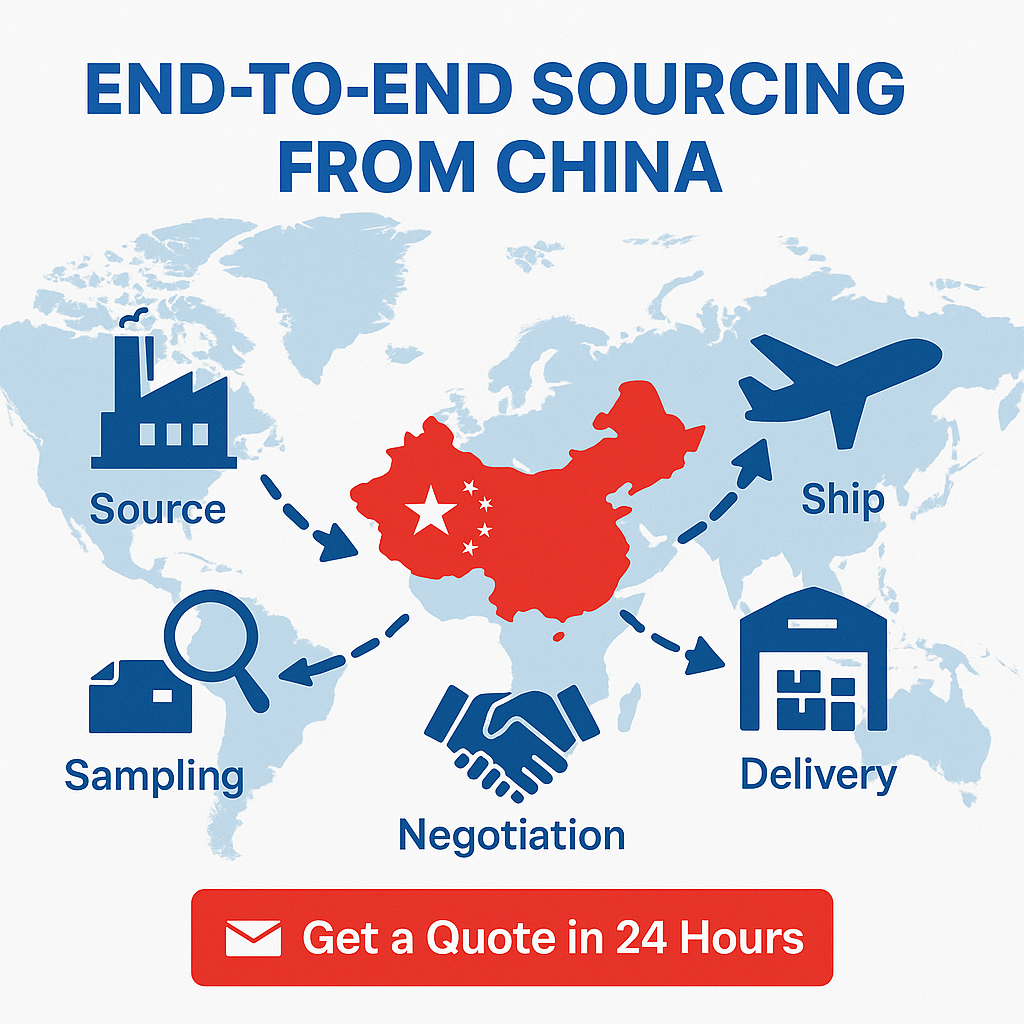
This is where structured sourcing support becomes critical. At Ucsourcing, sourcing is not treated as a transaction—it is a system built around supplier validation, product development, and end-to-end procurement execution. You can explore our core services here:
https://ucsourcing.com/our-services/
Understanding the Role of B2B Platforms in Modern Procurement
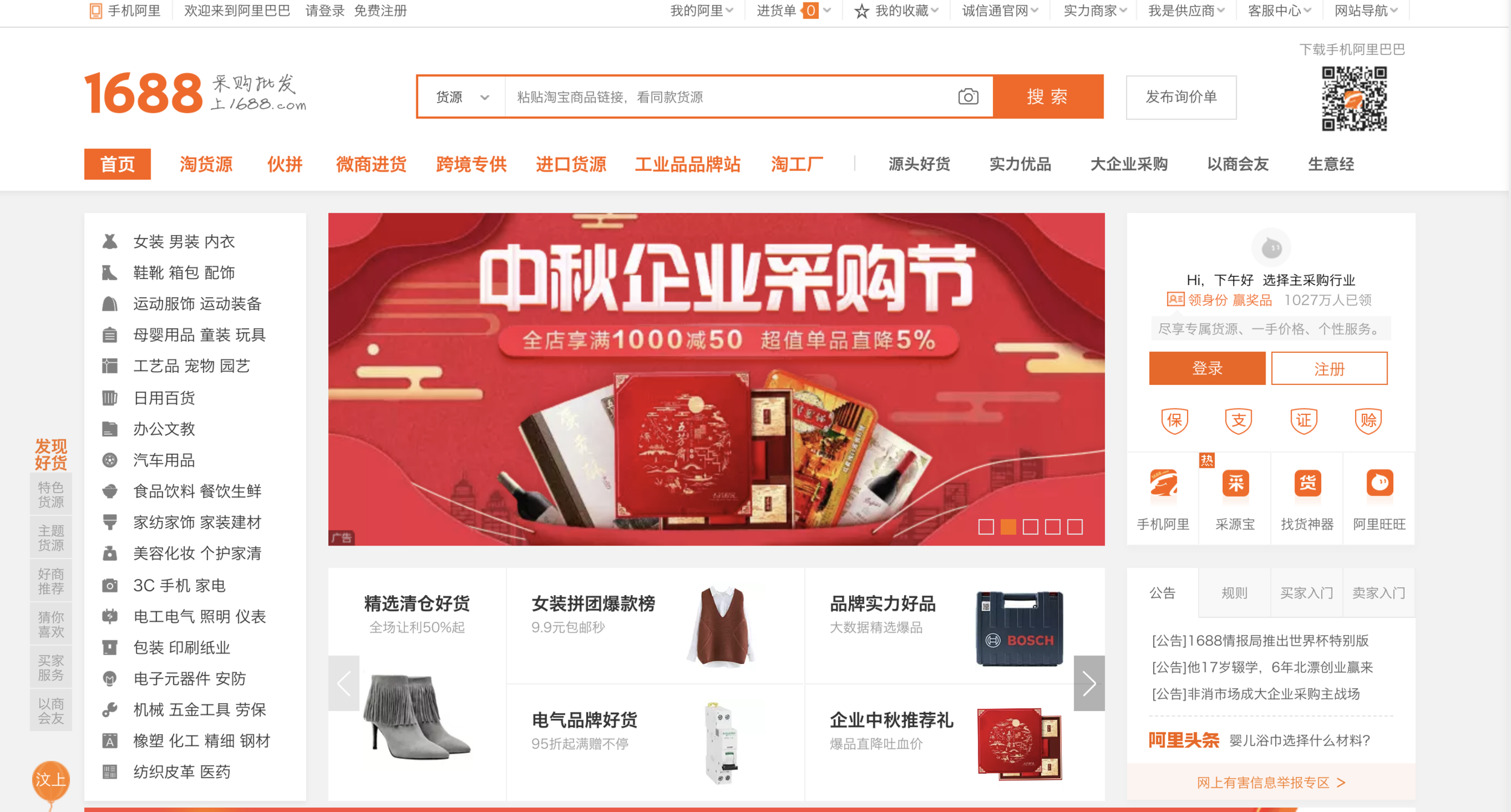
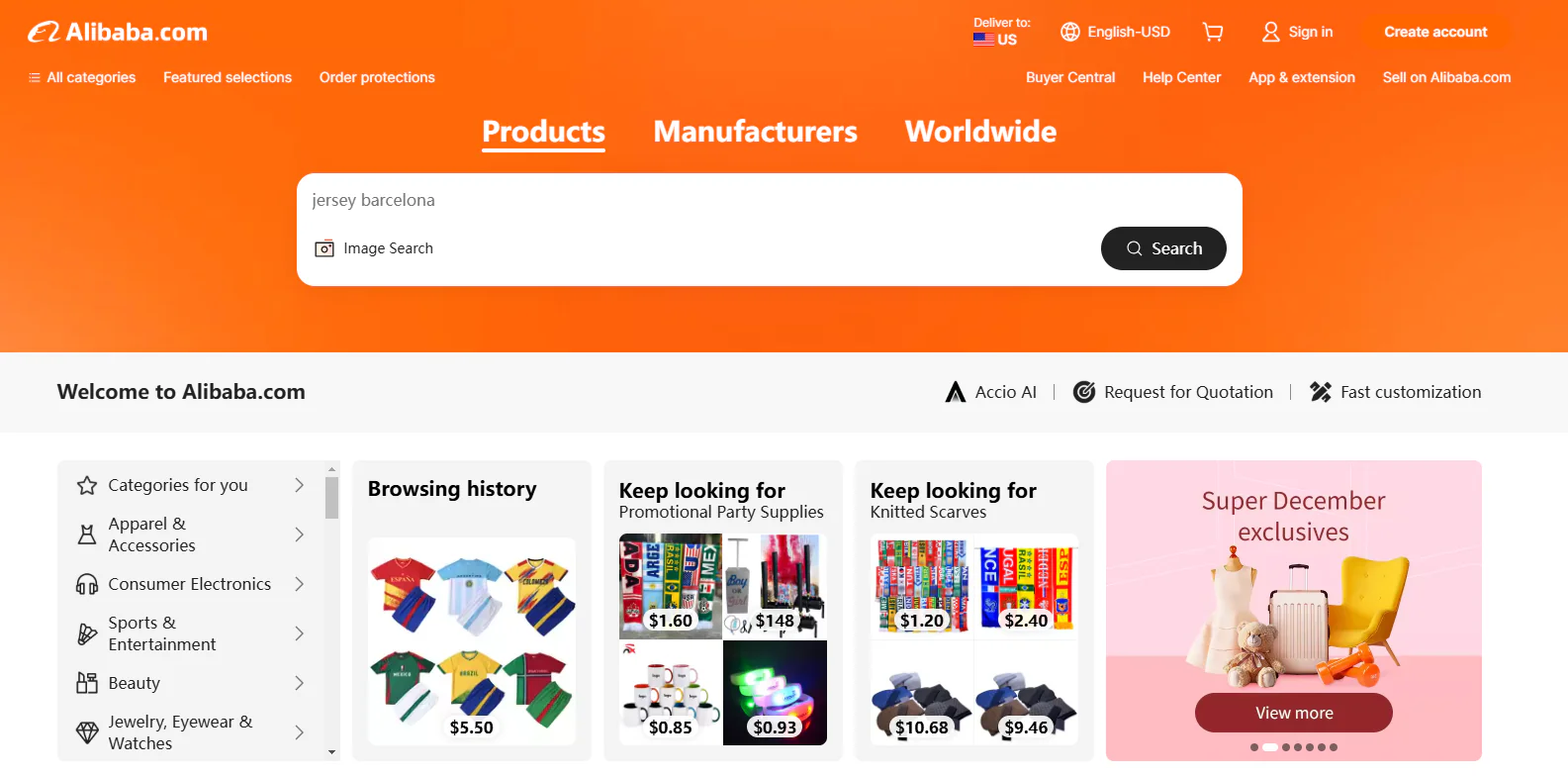
B2B marketplaces function as digital bridges between buyers and manufacturers. However, their real value depends on how effectively buyers can filter, verify, and negotiate with suppliers.
Most platforms fall into four categories:
- Product sourcing marketplaces (factory listings, RFQ systems)
- Wholesale trading platforms (multi-category bulk supply)
- Industry-specific directories (niche manufacturing sectors)
- Business service ecosystems (logistics, financing, procurement tools)
However, platforms alone do not guarantee sourcing success. The real performance difference comes from supplier validation and negotiation capability—areas where experienced sourcing agents provide significant leverage.
Major Global B2B Platforms Compared for Wholesale Buyers
Below is a practical comparison based on sourcing efficiency, supplier quality control, MOQ flexibility, and risk level.
| Platform | Best For | MOQ Flexibility | Supplier Quality Control | Risk Level | Notes |
|---|---|---|---|---|---|
| Alibaba | General wholesale sourcing | Medium | Medium | Medium | Large supplier base but mixed quality |
| Global Sources | Electronics & trade fairs | High | High | Low–Medium | Strong for verified manufacturers |
| Made-in-China | Industrial products | Medium | Medium–High | Medium | Better for machinery & bulk goods |
| DHgate | Small orders & dropshipping | Low | Low–Medium | Medium–High | Easy entry but inconsistent quality |
| IndiaMART | South Asia sourcing | Medium | Medium | Medium | Strong regional supplier base |
| Thomasnet | US industrial sourcing | High | High | Low | Focused on North American manufacturers |
While these platforms are widely used, most experienced importers from the US, EU, and Middle East still combine them with sourcing agents to validate suppliers before placing orders.
If you want a structured sourcing workflow instead of random supplier browsing, you can explore Ucsourcing product sourcing support here:
https://ucsourcing.com/products/
The Hidden Problem Behind B2B Platforms
Most buyers assume that more suppliers mean better sourcing outcomes. In reality, the opposite often happens.
Common issues include:
- Trading companies posing as factories
- Inflated shipping or hidden packaging costs
- Fake “verified” badges without production capability
- Inconsistent quality between samples and mass production
- Communication barriers and delayed responses
This is especially common in categories like consumer electronics, private label products, packaging goods, and seasonal items.
For brands building long-term product lines, packaging consistency becomes just as important as product quality. This is why many importers shift toward structured private label sourcing systems:
https://ucsourcing.com/private-label-packaging-service/
Why Sourcing Agents Still Matter in 2026
Even with advanced B2B platforms, sourcing agents remain essential for one simple reason: execution.
Platforms provide visibility. Agents provide control.
Experienced procurement teams help buyers:
- Filter real factories from trading companies
- Negotiate factory-direct pricing
- Manage sampling and quality control
- Reduce communication risk
- Coordinate packaging, labeling, and logistics
In markets like the United States, Germany, Australia, and Saudi Arabia, sourcing agents are often used not because platforms fail—but because scaling without control creates unpredictable supply chain risk.
Ucsourcing Approach: From Product Search to Production Delivery
Unlike traditional marketplace browsing, Ucsourcing focuses on structured procurement execution.
Our workflow is built around three core pillars:
Supplier Validation
We verify factories based on production capability, export history, compliance, and consistency.
Cost Optimization
We negotiate directly with manufacturers to eliminate unnecessary trading layers.
Production Control
We monitor production timelines, quality standards, and packaging requirements before shipment.
This system is especially effective for importers managing multiple product categories or launching private label brands.
Explore our service framework here:
https://ucsourcing.com/our-services/
Comparison: Direct B2B Platforms vs Sourcing Agent Model
| Criteria | B2B Platforms | Sourcing Agent Model (Ucsourcing) |
|---|---|---|
| Supplier Access | Large but unfiltered | Pre-vetted factories only |
| Pricing Transparency | Medium | High (factory-direct negotiation) |
| Risk Control | Low | High |
| Product Customization | Limited communication | Structured development support |
| Packaging Control | Optional / inconsistent | Integrated private label support |
| Time Efficiency | Low–Medium | High |
The key difference is not access—it is execution quality.
Private Label and Packaging: Where Most Importers Lose Margin
A significant portion of profit erosion happens after product selection—not before it.
Issues typically include:
- Packaging cost escalation after order confirmation
- Misaligned branding between sample and production
- Lack of compliance with destination market standards
- Poor unboxing experience affecting resale value
This is why structured private label sourcing is critical for scalable brands:
https://ucsourcing.com/private-label-packaging-service/
How Professional Buyers Actually Use B2B Platforms
Experienced importers rarely rely on a single platform. Instead, they follow a hybrid sourcing strategy:
- Identify product category on multiple platforms
- Shortlist potential suppliers
- Validate factories through sourcing agents
- Request samples and production references
- Finalize pricing with negotiation support
- Lock packaging and logistics structure
- Begin controlled production
This hybrid model reduces risk while maintaining competitive pricing.
Common Mistakes New Importers Make
Even experienced sellers sometimes repeat the same sourcing mistakes:
- Choosing suppliers based only on lowest price
- Ignoring packaging and branding costs
- Skipping factory verification
- Over-relying on platform “ratings”
- Not controlling sample-to-production consistency
These mistakes often result in delayed shipments, margin loss, and inconsistent product quality.
FAQ: B2B Platforms and Sourcing Agents
1. Are B2B platforms enough to source products safely?
Not always. Platforms provide access, but they do not guarantee factory authenticity or production stability.
2. Do I still need a sourcing agent if I use Alibaba or similar platforms?
Yes, especially for private label products, custom packaging, or multi-category sourcing.
3. What types of buyers benefit most from sourcing agents?
Amazon sellers, Shopify brands, wholesalers, and importers managing recurring shipments.
4. Can sourcing agents reduce product cost?
Yes, by removing trading layers and negotiating directly with factories.
5. What industries need sourcing support the most?
Consumer goods, packaging, electronics, home products, and customized manufacturing.
Final Thoughts: From Platform Searching to Structured Procurement
B2B platforms are powerful discovery tools, but they are not complete sourcing systems. The real advantage comes when platform visibility is combined with structured procurement execution.
This is the direction global sourcing is moving toward—less browsing, more control, and more predictable supply chains.
If you are building a brand or scaling wholesale operations, structured sourcing support can significantly reduce your operational risk and improve long-term profitability.
Explore Ucsourcing solutions here:
https://ucsourcing.com/our-services/
Contáctenos
WAPhone / WhatsApp: +86-18026272594
Correo electrónico: [email protected]