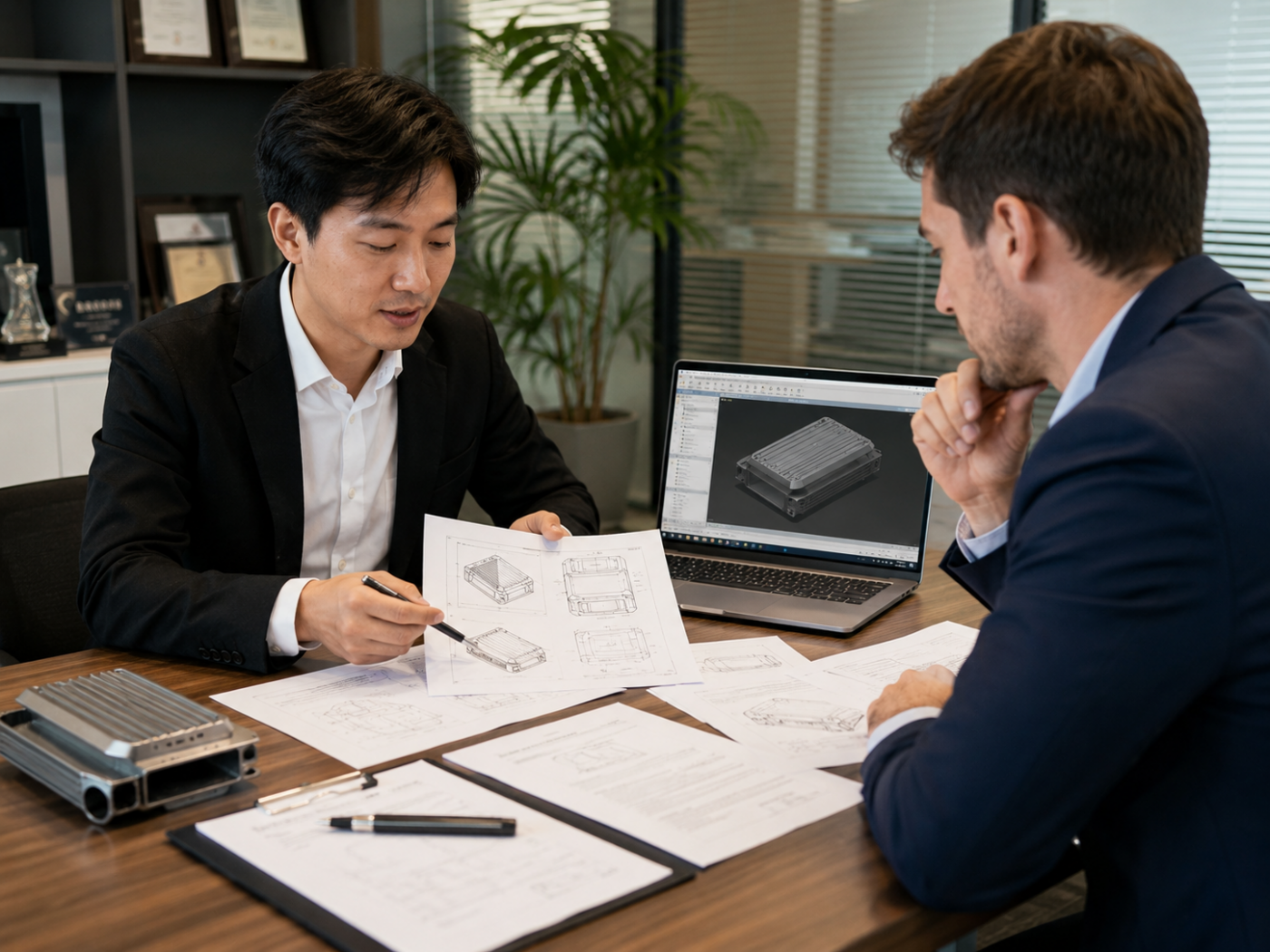
Custom products can give a brand a stronger identity, better customer loyalty, and higher perceived value. But for many overseas buyers, the real challenge is not having a product idea. The challenge is turning that idea into a real product without wasting money, losing control of the design, or choosing the wrong factory.
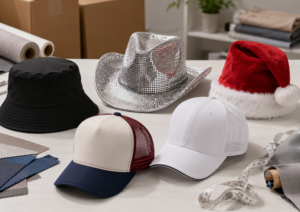
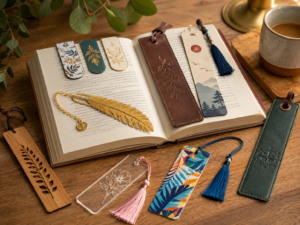
Many buyers start sourcing in China because China has a wide supplier base, flexible production options, and mature manufacturing clusters. From custom hats, jewelry, medals, bottles, packaging, bookmarks, sports products, promotional gifts, pet items, and home products to more complex molded products, China can offer many possibilities. But the process is not always simple.
A factory may say yes before understanding your design. A supplier may refuse small-batch production. A sample may look good, but bulk production may not match it. A design may be shared too casually with the wrong factory. Language differences can also create serious mistakes in size, material, logo position, color, packaging, and shipping terms.
This is why working with a professional China sourcing agent can make the process safer and easier to control. For buyers who want small-batch customization, product development, 3D samples, mold opening, supplier negotiation, quality inspection, and shipping support, the right sourcing partner can help reduce risk from the very beginning.
UCSOURCING helps overseas buyers source, customize, inspect, and ship products from China with a more controlled process. Instead of asking buyers to deal with factories blindly, we help compare suppliers, confirm technical details, protect client interests through clear agreements, and manage the steps from idea to delivery.
Read More Sourcing Guides:https://ucsourcing.com/our-blog/
What Makes Custom Product Sourcing Different From Buying Ready-Made Products?
Buying ready-made products is usually about price, stock, packaging, and delivery time. Custom product sourcing is different. It involves design details, material selection, factory capability, sample approval, production consistency, intellectual property protection, and quality control.
For example, if a buyer wants a custom metal medal, the factory needs to understand the artwork, thickness, plating color, mold cost, ribbon design, packaging, and production quantity. If a buyer wants a custom necklace, the factory needs to confirm material, plating, chain length, logo engraving, stone setting, polishing, and anti-tarnish treatment. If a buyer wants a custom plastic product, 3D drawing, prototype testing, mold design, injection molding, and tolerance control may all be involved.
This is why a sourcing supplier should not only find a low price. The supplier or sourcing partner must understand whether the factory can actually produce the product correctly.
Many overseas buyers search for how to import from China because they want better pricing or more product options. But importing custom products from China requires more than finding a supplier online. It requires communication, documentation, sample control, factory matching, and production follow-up.
Why Do Small-Batch Custom Orders Often Get Rejected by Factories?
One of the most common problems in sourcing in China is MOQ, or minimum order quantity. Many factories prefer large orders because production setup takes time. Even for a simple product, the factory may need to adjust machines, prepare raw materials, print packaging, arrange workers, and manage quality inspection.
For small-batch custom orders, factories may worry that the profit is too low compared with the work required. Some factories may reject the order directly. Others may accept it but quote a very high price. Some may say yes at first and then reduce attention during production because the order is small.
This creates a real problem for startups, e-commerce sellers, influencers, event organizers, small brands, and buyers testing a new product idea. They may not want 5,000 or 10,000 pieces at the beginning. They may only need 100, 300, or 500 pieces to test the market.
A professional china sourcing agent can help by matching the buyer with factories that are more open to small-batch customization. Not every factory is suitable for this type of order. Some factories focus on mass production only, while others are more flexible with samples, trial orders, mixed styles, or custom packaging.
At UCSOURCING, we help buyers communicate the real order situation clearly. If the quantity is small, we do not simply force the wrong factory to accept it. We look for suppliers that are more suitable for flexible production, small trial orders, or custom development. This helps buyers avoid wasting time with factories that are not a good match.
How Can a Sourcing Agent Help Protect Your Design?
Design protection is one of the biggest concerns when customizing products in China. Many buyers worry that their artwork, packaging, logo, product idea, or mold design may be copied. This concern is reasonable, especially when buyers send files to many unknown suppliers without any screening.
A professional sourcing process should protect the buyer before the design is widely shared. This can include supplier screening, limited disclosure, NDA arrangements, written confirmation of design ownership, mold ownership terms, and clear documentation of artwork, samples, and production files.
It is important to be realistic. No sourcing agent can promise that every legal risk in the world disappears. But a professional sourcing agent can greatly reduce unnecessary exposure by controlling who receives the design, keeping communication records, using written agreements where needed, and helping buyers work with more reliable factories.
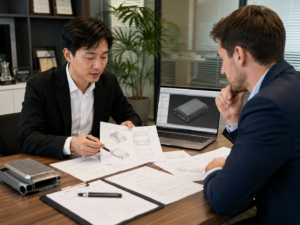
For example, if a buyer develops a custom product with a unique 3D structure, the design files should not be sent randomly to ten different suppliers. A better approach is to screen factories first, share only necessary information at the early stage, request confidentiality where appropriate, and confirm mold ownership before paying mold fees.
UCSOURCING helps buyers protect their interests by improving the sourcing process. We can help communicate NDA requirements, clarify mold ownership, keep supplier communication organized, and make sure the buyer’s logo, artwork, and design requirements are confirmed in writing before production starts.
What Problems Can Happen When Buyers Find Factories by Themselves?
Many buyers try to find factories by themselves through online platforms, trade shows, or social media. This can work in some cases, but it also brings several practical problems.
The first problem is supplier identity. A supplier may call itself a factory, but it may actually be a trading company, a small workshop, or a sales office. That is not always bad, but the buyer needs to know who they are really working with.
The second problem is communication. A buyer may explain the design in English, but the factory sales team may understand only part of it. Small misunderstandings can create big production mistakes. A logo may be printed in the wrong position. A color may be matched incorrectly. A size chart may be interpreted differently. Packaging may not follow the buyer’s sales channel requirements.
The third problem is production follow-up. Some factories respond quickly before payment but become slow after receiving the deposit. If the buyer is overseas, it can be difficult to check progress, inspect quality, or push the factory to solve problems.
The fourth problem is after-sales responsibility. If the product arrives with defects, wrong packaging, poor workmanship, or missing accessories, the buyer may not know how to negotiate compensation or replacement. The factory may blame the buyer, the freight forwarder, or the unclear specification.
This is where a sourcing agent China service can help. A sourcing partner can check suppliers, translate technical details, confirm specifications, follow production, arrange inspection, and help communicate solutions if problems happen.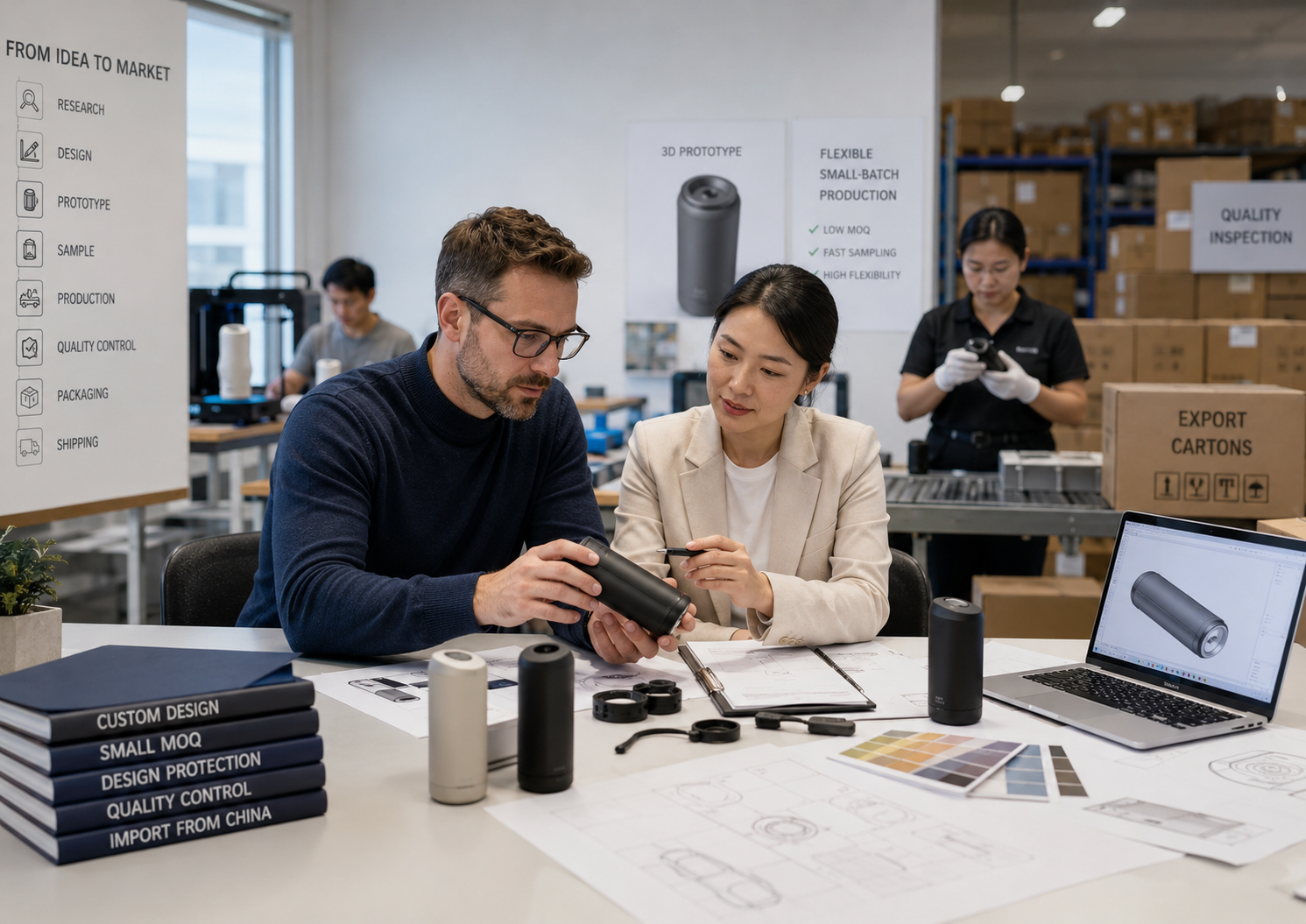
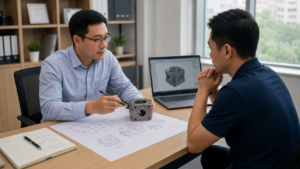
How Does 3D Printing Help Before Opening a Mold?
For custom plastic, silicone, metal, resin, or structural products, 3D printing can be very useful before opening a mold. Mold opening can be expensive, and once the mold is made, changing the design may cost more money and time.
A 3D-printed sample helps the buyer see the shape, size, structure, and user experience before mass production. It can reveal problems that are difficult to notice in drawings. For example, a handle may feel too thin, a lid may not close smoothly, a button may be too small, or a display stand may not be stable.
For small brands, 3D printing is also a smart way to test a concept before making a large investment. The buyer can review the physical sample, make adjustments, and then decide whether to proceed with mold opening.
UCSOURCING can help buyers communicate with suppliers about 3D drawings, prototype samples, material options, mold cost, mold ownership, and trial production. This is especially helpful for buyers who have an idea but do not know how to explain it in factory language.
When Should You Open a Mold for a Custom Product?
Opening a mold is suitable when the product shape, structure, or size cannot be achieved with existing factory molds. It is also useful when the buyer wants a unique design that competitors cannot easily buy from the same market.
However, mold opening is not always the first step. If the buyer is still testing the market, it may be better to start with existing molds, small logo customization, packaging customization, or a 3D-printed prototype. This reduces upfront cost and allows the buyer to test demand first.
A sourcing supplier should help the buyer judge whether mold opening is necessary. Some factories may encourage mold opening because it increases order value. But from the buyer’s side, the decision should be based on budget, product life cycle, sales forecast, design value, and market demand.
For example, if an Amazon seller wants to test a new kitchen gadget, opening a private mold immediately may be risky. A better first step may be to test the design with a small batch or improve an existing mold. But if the seller already has proven demand and needs a unique structure, mold opening may make sense.
UCSOURCING helps buyers compare these options before making a decision. The goal is not to make the process more expensive. The goal is to choose the safest path for the buyer’s stage of business.
Where Do Buyers Usually Lose Money During Custom Sourcing?
Many buyers do not lose money because the product idea is bad. They lose money because the sourcing process is not controlled.
One common issue is unclear specifications. If the buyer only sends a photo and says “make it like this,” the result may be very different from expectations. Factories need clear details, including size, material, color, logo method, packaging, quantity, testing requirements, and shipping destination.
Another issue is approving a sample too quickly. A sample should be checked carefully before mass production. Buyers should confirm not only appearance, but also material, function, durability, packaging, label, barcode, carton mark, and any compliance requirements.
A third issue is choosing the lowest price without understanding the difference. A cheaper quote may use thinner material, lower-quality plating, weaker stitching, cheaper packaging, or less careful inspection. For custom products, price differences often come from real differences in production quality.
A fourth issue is ignoring inspection. Even if the factory is reliable, mistakes can happen during production. A pre-shipment inspection helps identify defects before the goods leave China.
This is why working with a China sourcing agent is not only about finding factories. It is about controlling the full process.
Small-Batch Custom Product Development
A small overseas brand wants to launch a custom promotional product for an event. The buyer has a logo, a product idea, and a limited budget. They want only 300 pieces for the first order because they are not sure how the market will respond.
If the buyer contacts large factories directly, many may reject the order because the MOQ is too low. Some may quote a high price. Others may accept the order but require expensive mold fees.
A better sourcing approach is to separate the product into several decision points. First, check whether an existing mold can be used. Second, confirm whether logo customization is enough for the first test order. Third, compare small-batch suppliers that can accept lower MOQ. Fourth, prepare a clear specification sheet. Fifth, approve a sample before production. Sixth, inspect the goods before shipment.
In this type of case, UCSOURCING can help the buyer find a more suitable factory, communicate the design requirements, reduce unnecessary mold cost, and arrange production in a way that matches the buyer’s budget and timeline.
This does not mean every product can be customized at any quantity. Some products still require a reasonable MOQ because of raw materials, printing setup, mold cost, or machine time. But with the right sourcing process, buyers can often find more flexible options than they would find on their own.
How Can UCSOURCING Help Overseas Buyers Import From China?
UCSOURCING is based in Yiwu, China, close to one of the world’s largest wholesale markets and connected with many supplier resources across different product categories. For overseas buyers, we help make sourcing in China more practical, especially when the order involves customization, small quantity, supplier comparison, quality control, and shipping.
Our service can support buyers in several key steps: product research, supplier matching, quotation comparison, sample coordination, design communication, small-batch customization, factory follow-up, quality inspection, packaging confirmation, and shipping arrangement.
For buyers who are new to how to import from China, this support can save time and reduce mistakes. Instead of handling every supplier conversation alone, buyers can work with a team that understands local factory communication and international buyer expectations.
For buyers who already have suppliers, UCSOURCING can also help with supplier coordination, inspection, warehouse consolidation, and shipping. This is useful when the buyer needs someone in China to follow the order locally.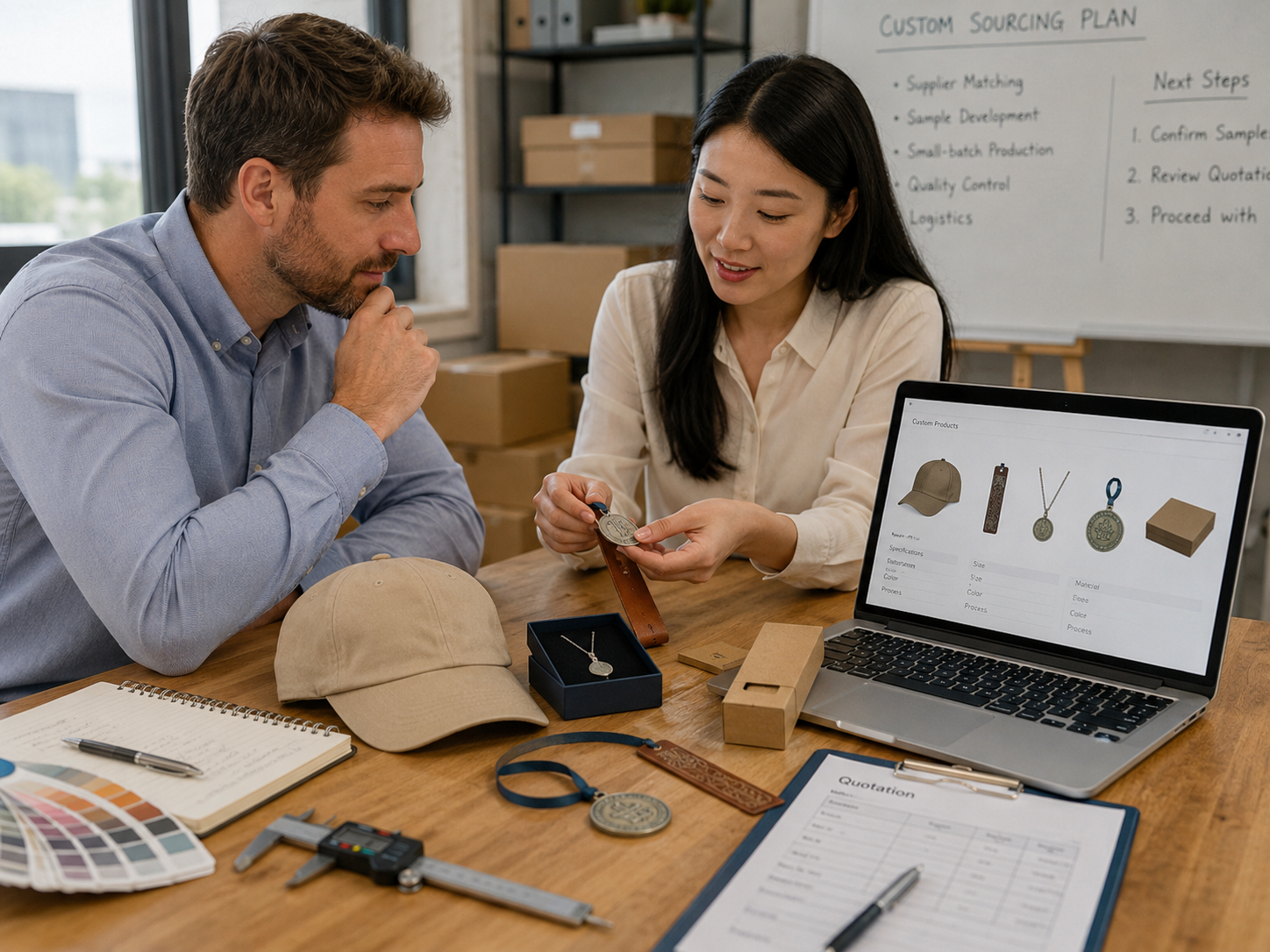
What Should You Prepare Before Starting a Custom Order?
Before contacting a china sourcing agent or factory, buyers should prepare as much product information as possible. A clear request makes it easier to get accurate quotations and avoid misunderstandings.
The most useful information includes product photos, drawings, size requirements, material preference, logo file, packaging idea, target quantity, target price, destination country, sales channel, and any safety or compliance requirements.
If the product is only an idea, that is also acceptable. But the buyer should explain the intended use, target customer, expected quality level, and budget range. This helps the sourcing team judge whether the project is suitable for existing products, small customization, 3D printing, or mold development.
Good sourcing starts with clear communication. The more details confirmed at the beginning, the fewer problems appear during production.
Custom Sourcing Should Be Controlled, Not Rushed
Custom product sourcing can create strong business opportunities, but it should not be rushed. The cheapest supplier is not always the safest choice. The fastest factory is not always the most reliable. A good sample does not always guarantee good bulk production.
For overseas buyers, the real goal is not simply to find a factory. The goal is to find the right factory, protect the design, control the MOQ, confirm the sample, follow production, inspect quality, and ship the goods safely.
A professional China sourcing agent can help buyers turn product ideas into real products with fewer mistakes and better control. Whether you are testing a small-batch custom order, developing a private-label product, preparing a 3D prototype, or learning how to import from China, UCSOURCING can help you manage the process from supplier search to final shipment.
If you want to customize products in China but are worried about MOQ, language barriers, design protection, factory reliability, or shipping problems, working with a reliable sourcing partner may be the safest first step.
Contact UCSOURCING
If you need to source from China, our team can assist you with everything from supplier selection to final delivery.
Website Links:https://ucsourcing.com/
WhatsApp: +86-18026272594 name:Jenny
Correo electrónico: [email protected]
[email protected]
We help global buyers source smarter, reduce risks, and build stable supply chains in China.