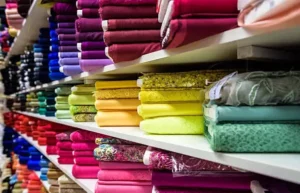
Fabric sourcing is the process of identifying, evaluating, and selecting the right textile suppliers that can deliver materials matching your product requirements in terms of quality, price, design, and functionality. It is a foundational step for industries such as apparel, home textiles, sportswear, furniture, and industrial fabrics.
For buyers from procurement-driven markets like the United States, United Kingdom, Germany, Australia, Canada, and the UAE, fabric sourcing is rarely a simple “buy-and-ship” process. Instead, it involves supplier verification, sampling, compliance checks, and production monitoring—often managed through professional sourcing agents in China.
In practice, companies like UCSourcing help global buyers simplify this process by connecting them with verified mills and managing the entire sourcing workflow from sampling to bulk production.
Explore sourcing services here:
https://ucsourcing.com/our-services/
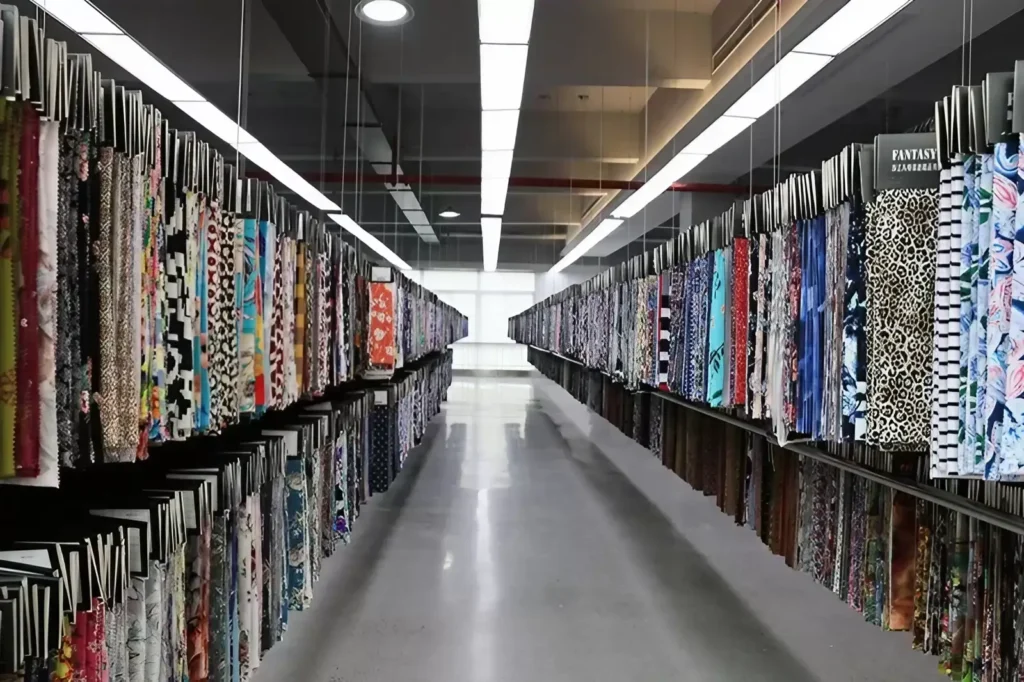
Key Factors You Must Define Before Sourcing Fabrics
Successful fabric sourcing always starts with clear technical definitions. Without them, even experienced suppliers may deliver inconsistent results.
Fabric Application
The intended use determines everything—from fiber selection to finishing treatment.
- Apparel (T-shirts, dresses, activewear)
- Home textiles (bedsheets, curtains, upholstery)
- Industrial use (protective fabrics, filtration materials)
For example, sportswear requires moisture-wicking polyester blends, while luxury bedding often uses long-staple cotton or bamboo fibers.
Fabric Construction Types and Their Impact
Fabric construction determines structure, durability, and appearance.
Knit vs Woven Fabric Comparison
| Type | Characteristics | Common Use | Advantages | Limitations |
|---|---|---|---|---|
| Knit | Stretchable, soft | T-shirts, leggings | Comfort, flexibility | Less structure |
| Woven | Stable, firm | Shirts, denim, bedding | Durability, shape retention | Less elasticity |
When working with suppliers, buyers often rely on sourcing teams like UCSourcing to translate technical requirements into production-ready specifications.
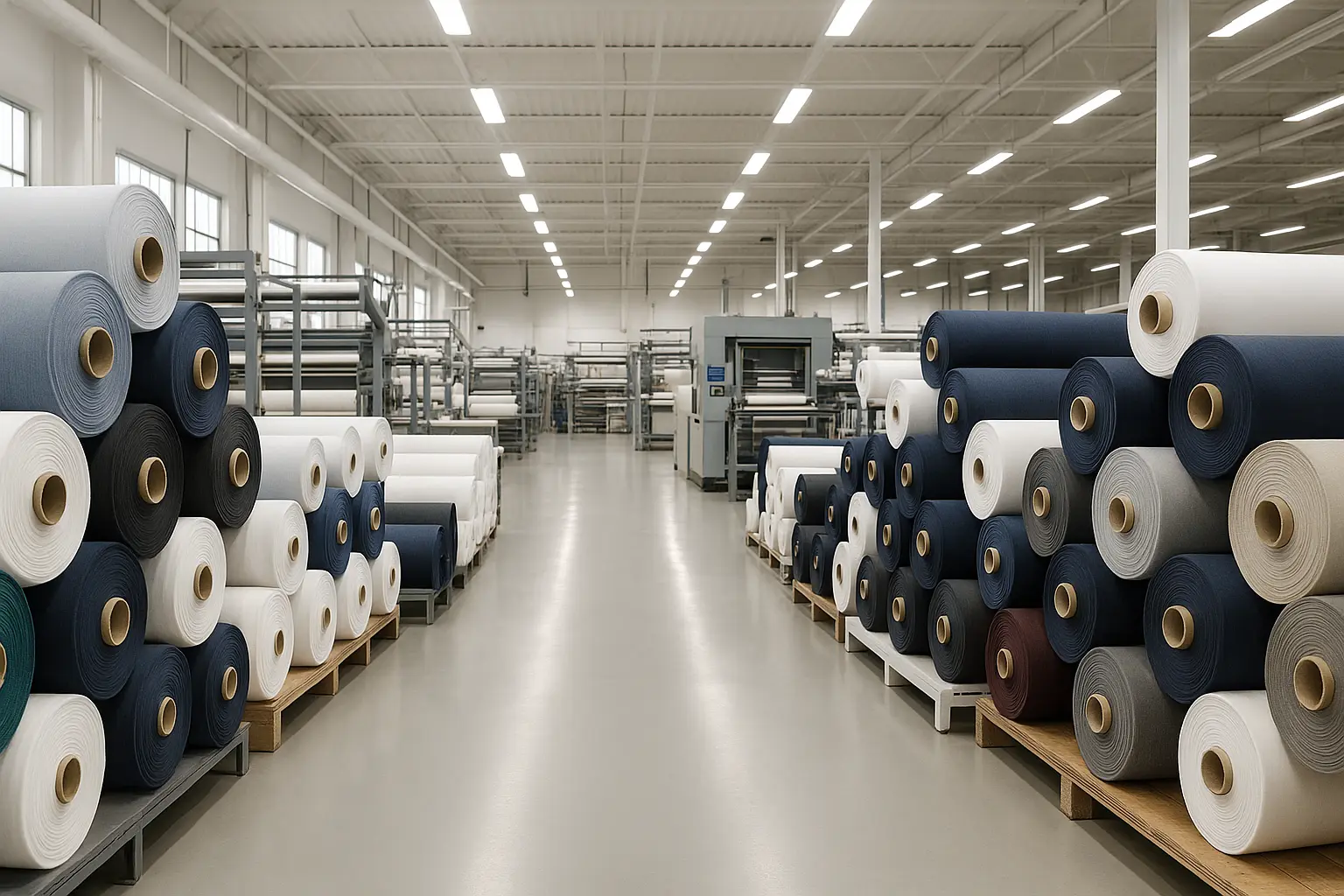
Natural, Synthetic, and Blended Fabrics
Fabric material selection directly affects cost, performance, and customer perception.
- Natural fabrics: cotton, linen, silk (breathable, premium feel)
- Synthetic fabrics: polyester, nylon, spandex (durable, cost-efficient)
- Blended fabrics: combine both for performance optimization
Blended fabrics are increasingly popular in private label fashion brands due to their balance of comfort and durability.
For custom development and branding, explore:
https://ucsourcing.com/private-label-packaging-service/
Fabric Weight (GSM) and Its Role in Product Positioning
GSM (grams per square meter) defines fabric thickness and density.
- 120–160 GSM: lightweight summer clothing
- 180–250 GSM: standard apparel
- 300–400 GSM: hoodies, winter wear
- 400+ GSM: heavy-duty textiles
Incorrect GSM selection can lead to product failure—for example, using low GSM fabric in winter apparel results in poor warmth retention and negative customer feedback.
Special Fabric Finishes and Functional Enhancements
Modern textile manufacturing includes various finishing treatments:
- Waterproof coating
- Anti-wrinkle treatment
- Flame retardant finish
- UV protection
- Anti-bacterial coating
These enhancements significantly increase product value, especially for outdoor and sportswear brands.
Best Fabric Sourcing Methods for Global Buyers
Alibaba and Online Supplier Platforms
Online platforms like Alibaba remain a starting point for many importers. They provide access to mills, converters, and trading companies mainly located in China’s textile clusters such as Zhejiang, Jiangsu, and Guangdong.
However, buyers from sourcing-heavy countries often face challenges:
- Supplier misrepresentation (factory vs trading company)
- Quality inconsistency between samples and bulk orders
- High MOQ restrictions
- Limited technical verification
Direct Factory Sourcing vs Sourcing Agents
| Method | Advantages | Risks | Best For |
|---|---|---|---|
| Direct sourcing | Lower cost | High risk, communication barriers | Experienced importers |
| Sourcing agents | Verified suppliers, quality control | Servicegebühr | SMEs, Amazon sellers, brands |
Working with professional sourcing partners like UCSourcing reduces these risks significantly, especially for complex textile projects.
Fabric Trade Shows: High-Volume Buyer Advantage
Trade fairs such as Intertextile Shanghai Apparel Fabrics offer direct access to manufacturers, innovations, and material samples.
Advantages include:
- Direct supplier communication
- Immediate fabric inspection
- Trend forecasting
- Bulk negotiation opportunities
However, trade shows require travel time, budget, and technical expertise to evaluate suppliers effectively.
Fabric Sampling and Quality Control Process
Sampling is one of the most critical steps in fabric sourcing.
A professional workflow includes:
- Initial swatch selection
- Lab dip color confirmation
- Bulk sample approval
- Pre-production sample (PP sample)
- Mass production inspection
Without structured sampling, product inconsistency becomes a major risk during production scaling.
UCSourcing integrates strict inspection protocols during sampling and production to ensure consistency across batches.
Common Fabric Sourcing Risks Global Buyers Face
Even experienced importers encounter issues such as:
- Color variation between batches
- Fabric shrinkage after washing
- Incorrect GSM or fiber composition
- Poor finishing quality
- Substituted raw materials during production
These issues are especially critical for brands in the US, EU, and Australia, where product compliance and customer expectations are high.
Why Private Label Fabric Sourcing Is Growing
More businesses are moving toward private label production to build brand identity and improve margins.
Key advantages include:
- Custom fabric development
- Brand-specific textures and finishes
- Exclusive color matching
- Packaging and labeling control
Explore branding solutions here:
https://ucsourcing.com/products/
Why Global Buyers Use Sourcing Agents in China
For buyers in procurement-heavy markets such as Germany, Canada, UAE, and the United States, sourcing agents are no longer optional—they are strategic partners.
A sourcing agent helps with:
- Supplier verification and factory audits
- Negotiation for better pricing
- Quality inspection and compliance checks
- Produktionsüberwachung
- Logistics coordination
Companies like UCSourcing act as an extended procurement team for international buyers who cannot manage suppliers directly in China.
FAQ – Fabric Sourcing Guide
What is the safest way to source fabrics from China?
Working with verified suppliers or a sourcing agent ensures better quality control and reduces fraud risk.
How do I know if a fabric supplier is a real factory?
Factory audits, production videos, and third-party verification are essential indicators.
What is GSM in fabric sourcing?
GSM refers to fabric weight and determines thickness, durability, and use case.
Can I develop custom fabrics for my brand?
Yes, most Chinese mills support OEM/ODM development for custom fabrics.
Do I need to visit China for fabric sourcing?
Not necessarily. Many buyers work remotely with sourcing partners like UCSourcing.
Abschließende Gedanken
Fabric sourcing is not just about finding the cheapest material—it is about balancing quality, consistency, and scalability. For global buyers, especially those operating in competitive markets like the US, UK, Germany, UAE, and Australia, the real challenge lies in supplier reliability and production control.
With the right sourcing strategy and professional support, fabric procurement becomes a scalable and predictable supply chain advantage.
Contact UCSourcing
If you are sourcing fabrics, apparel materials, or custom textile products from China, our team can support your entire supply chain from supplier selection to delivery.
WAPhone / WhatsApp: +86-18026272594
E-Mail: [email protected]
We help global buyers build reliable, cost-efficient, and scalable sourcing systems in China.