
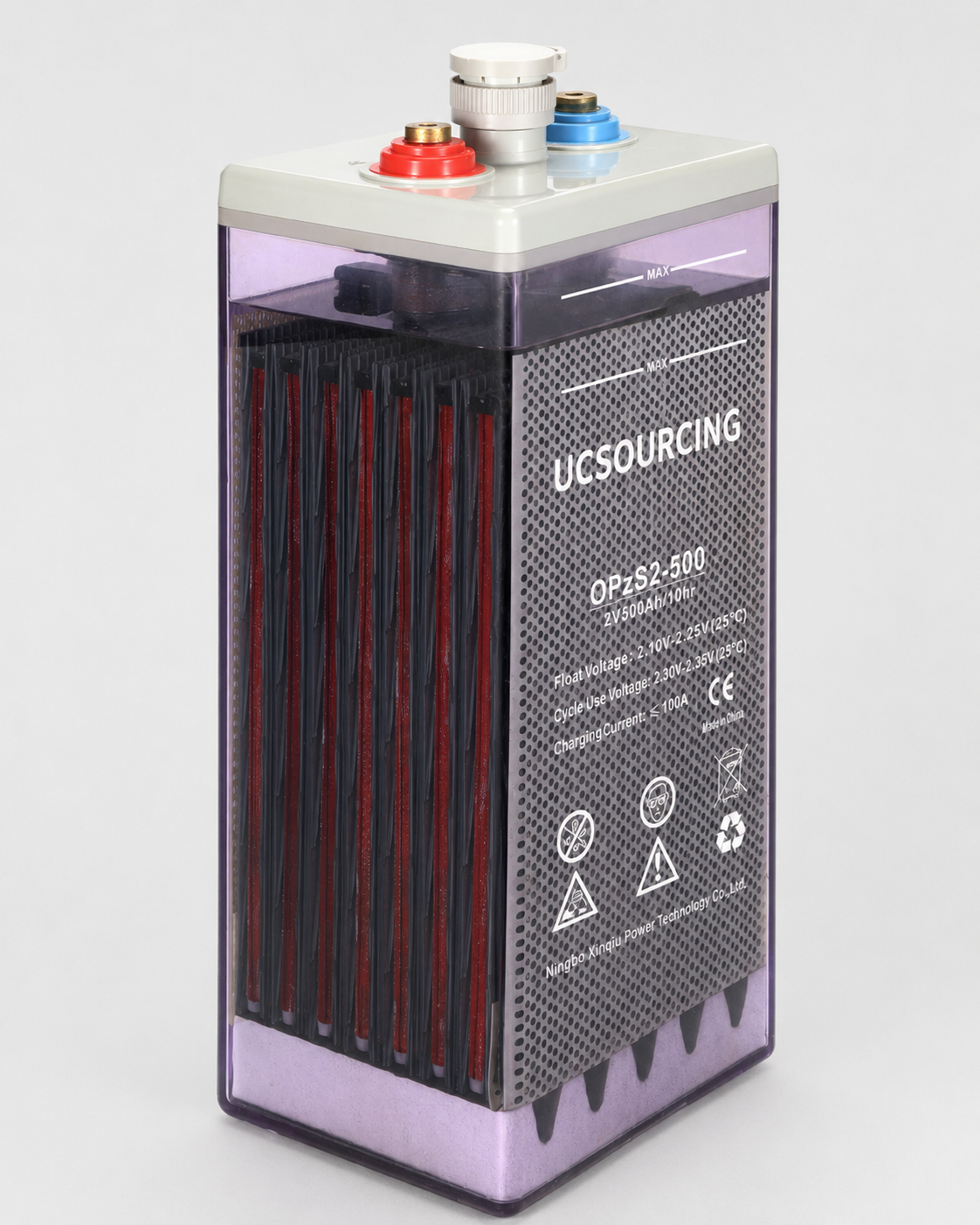
What Is a Lead Acid Battery?
A lead acid battery is a rechargeable battery widely used in power backup, emergency lighting, communication systems, railway systems, solar power stations, UPS systems, wind power stations, switch and control systems, radio stations, and electrical power systems.
For international buyers, products such as battery lead acid battery, sealed lead acid battery, Und batteries lead acid sealed are not simple low-price items. Safety, charging standards, terminal protection, acid leakage risk, transportation method, and after-sales responsibility all matter.
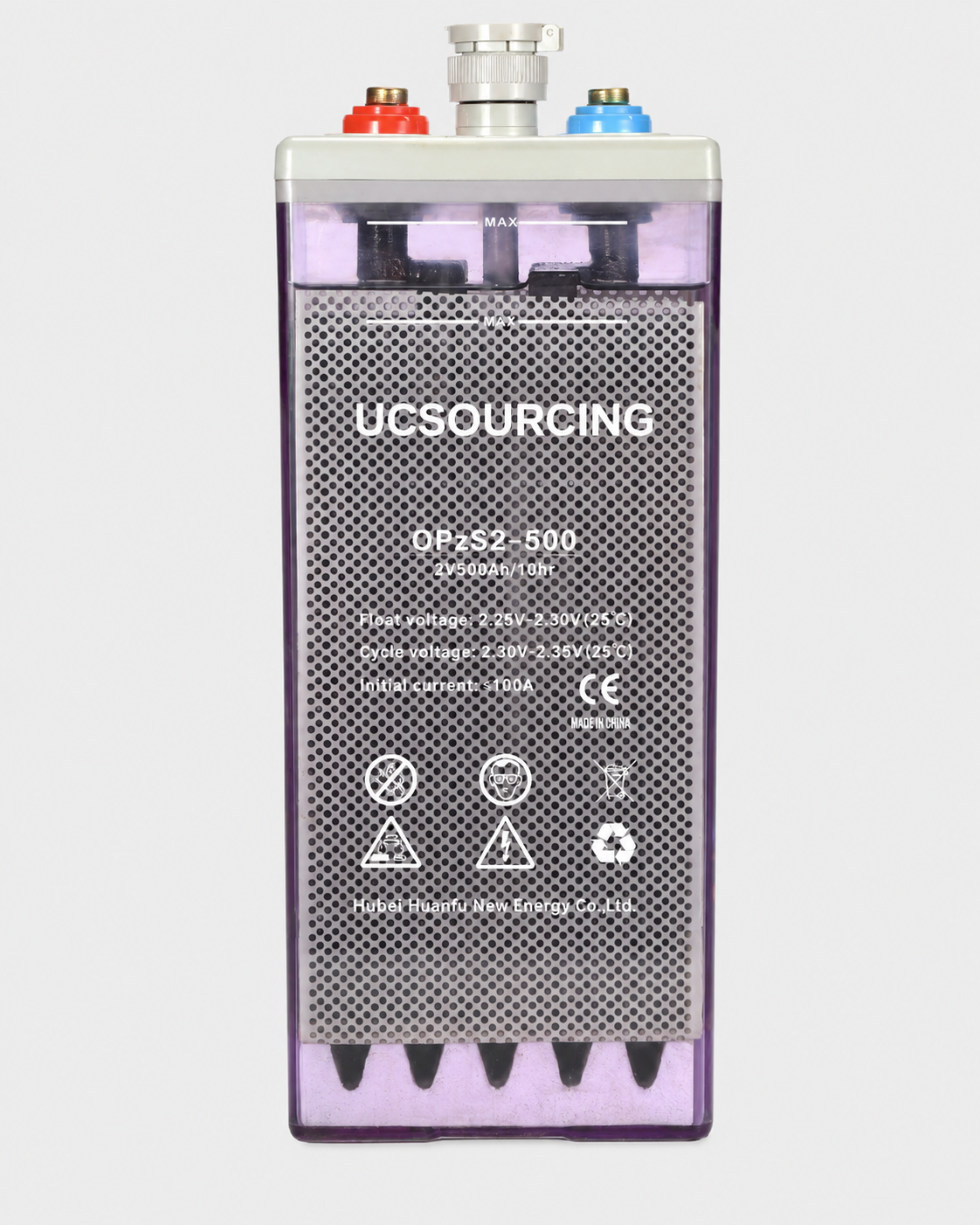
Some sealed lead acid batteries use a SAN transparent casing, a special labyrinth sealing structure to reduce acid corrosion around terminals, embedded copper-core terminals, and flexible insulated copper-core cable connections. These designs help improve safety, visibility, and reliability during use.
Why Safety Matters When Buying Lead Acid Battery Chargers
A lead acid battery charger must match the battery voltage, capacity, charging curve, and application. The charger should not only “work”; it must be safe, stable, and suitable for the destination market.
For example, UL 1236 covers battery chargers rated 600 volts or less for charging lead-acid engine-starter and similar batteries. IEC 60335-2-29 covers safety requirements for household and similar battery chargers, with output not exceeding 120 V ripple-free DC and rated voltage not more than 250 V. In the EU, electrical products may also need to consider Low Voltage Directive requirements depending on voltage range and application.
A safe charger should help prevent overcharging, overheating, short circuits, acid leakage risk, terminal corrosion, and poor battery life. For buyers, this means the supplier must confirm not only the battery price, but also charger compatibility, certificates, test reports, plug type, label requirements, packaging, and destination-country compliance.
AGM Battery vs Lead Acid Battery: What Is the Difference?
Many buyers search agm battery vs lead acid, but AGM is actually one type of lead acid battery. The main difference is the internal structure.
Traditional flooded lead acid batteries use liquid electrolyte. They are usually cheaper, but they may require maintenance, upright installation, ventilation, and more careful handling. AGM batteries use absorbent glass mat separators to hold the electrolyte. They are usually sealed, maintenance-free, more resistant to vibration, and safer for many backup power and enclosed applications.
For UPS, emergency lighting, telecom systems, solar backup, and control systems, AGM or sealed lead acid batteries are often easier for importers because they reduce leakage risk and maintenance problems. However, AGM batteries need the correct charger. Using the wrong charger can shorten battery life or create safety risks.
A Special Transparent Lead Acid Battery for Safer Shipping
One practical product option is a transparent lead acid battery with acid added later.
This type of battery is shipped dry during transportation. Because the battery has no acid inside during shipment, the internal chemical reaction does not start on the road. After the goods arrive at the destination, the buyer or professional operator can add acid before use.
The transparent case allows users to see the internal condition of the battery more clearly. This can help check liquid level, plate condition, and possible abnormal situations. For buyers worried about leakage, corrosion, or transport risk, this design can be a better option for certain markets and applications.
However, acid filling must be handled by trained people and must follow local safety rules. Lead acid batteries and acid-related shipments may involve dangerous goods regulations. For example, U.S. 49 CFR rules require non-spillable batteries to be securely packed and protected against short circuits during transport. Wet batteries filled with acid may also be classified under corrosive hazardous material rules depending on shipment type.
Why a Trading Company Can Be Better Than Buying Directly from a Factory
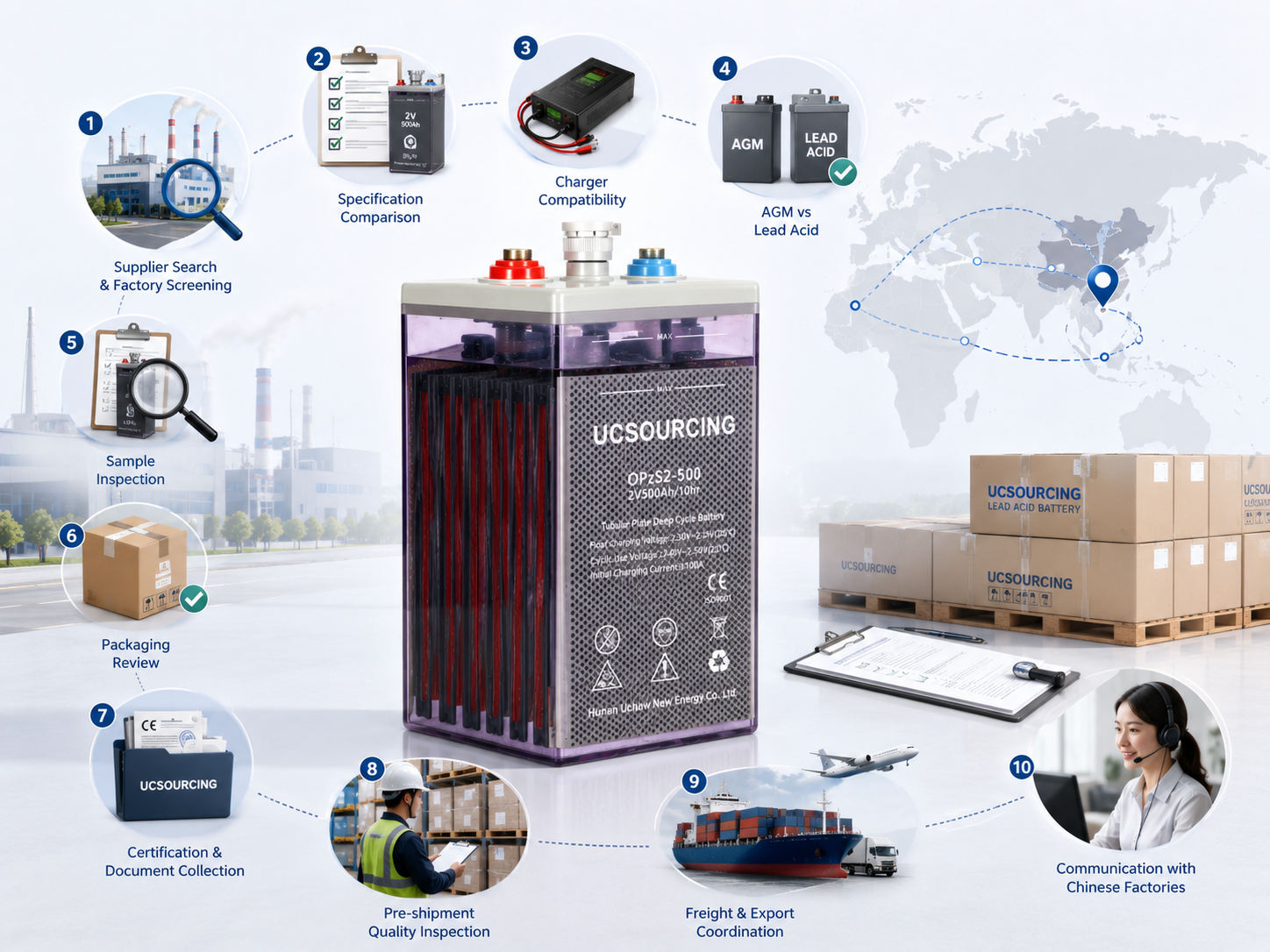
Many buyers think buying directly from a factory always means the lowest price. For lead acid batteries, this is not always true. This product involves safety, certificates, charger matching, packaging, shipping rules, and after-sales risk. A professional trading company can often reduce mistakes before the order is placed.
1. A Trading Company Helps Match the Right Battery and Charger
Factories usually focus on their own product line. If you ask for battery, charger, cable, terminal style, packaging, and shipping together, one factory may not cover everything.
A trading company can help compare different factories and match the correct sealed lead acid battery, AGM battery, charger, plug, label, and packaging according to your market.
2. A Trading Company Gives More Product Options
One factory may only make one type of battery. But a trading company can help you compare transparent casing batteries, sealed lead acid batteries, AGM batteries, dry-charged batteries, and batteries for UPS, solar, emergency lighting, or telecom systems.
This is important because the cheapest battery may not be the safest battery for your application.
3. A Trading Company Can Handle Smaller MOQ
Battery factories often prefer large orders because production, testing, and shipping are complicated. Small buyers may receive slow replies or high MOQ.
A trading company can help combine supplier resources and negotiate smaller trial orders, especially when buyers need different battery models, charger types, or packaging requirements.
4. A Trading Company Reduces Compliance and Shipping Risk
Lead acid battery sourcing is not only about product cost. Buyers must confirm certificates, charger safety standards, outer carton strength, terminal protection, short-circuit prevention, acid leakage risk, MSDS, transport documents, and destination-market requirements.
A trading company can help check these details before shipment instead of waiting until customs, warehouse, or customers find problems.
5. A Trading Company Helps With After-Sales Problems
If you buy directly from a factory and later find leakage, low capacity, wrong charger, damaged terminals, or packaging failure, solving the problem can be difficult—especially with language barriers and time-zone differences.
A trading company stands between the buyer and factory. It can help collect evidence, communicate with the supplier, negotiate replacements, and improve the next shipment.
Common Buyer Questions About Lead Acid Battery Sourcing
1: Can I use any charger for a sealed lead acid battery?
No. The charger must match the battery voltage, capacity, and charging curve. A wrong charger may cause overcharging, overheating, swelling, or shorter battery life.
2: Is AGM better than normal lead acid battery?
AGM is usually safer, sealed, maintenance-free, and more vibration-resistant. But it costs more and needs accurate charging control.
3: Can batteries be shipped safely?
Yes, but packaging, terminal protection, labels, documents, and transport classification must be checked carefully. Non-spillable batteries and wet batteries may follow different transport rules.
4: Why choose a transparent dry-charged battery?
It can be shipped without acid inside, reducing chemical reaction during transportation. The transparent case also helps users observe internal battery condition after acid filling.
5: What should buyers check before ordering?
Check battery type, voltage, capacity, terminal structure, charger compatibility, certificates, MSDS, packaging, transport method, application, warranty terms, and sample test results.
Final Thought
Buying a sealed lead acid battery is not the same as buying a simple consumer product. Safety, charger standards, acid control, packaging, shipping, and after-sales support all affect the final result.
For buyers who need batteries for UPS systems, solar power stations, telecom systems, emergency lighting, railway systems, or power control systems, working with a professional trading company can be safer than contacting one factory directly.
A good trading company helps you choose the right battery, confirm the correct charger, reduce MOQ pressure, check compliance, manage shipping risk, and protect your order from sample to delivery.
Contact UCSOURCING
If you need to source from China, our team can assist you with everything from supplier selection to final delivery.
Website Links:https://ucsourcing.com/
WhatsApp: +86-18026272594 name:Jenny
E-Mail: [email protected]
[email protected]
We help global buyers source smarter, reduce risks, and build stable supply chains in China.