


Farm storage is one of the most important parts of agricultural production. After harvest, farmers, livestock producers, grain handlers, distributors, and agricultural suppliers all face the same challenge: how to protect valuable crops, silage, hay, grain, and feed from rain, sunlight, moisture, insects, birds, animals, and transportation damage.
This is where silo covers and silo bags play an important role.
A good farm storage solution does more than simply cover agricultural materials. It helps reduce spoilage, protect feed quality, support better fermentation, lower storage costs, and give farms more flexibility during peak harvest seasons. For many agricultural businesses, silo covers and silo bags are practical and cost-effective products that can be used for silage protection, grain storage, temporary storage, and outdoor farm protection.
A complete silage protection system may include silo covers, silo bags, silage films, hay tarps, grain trailer tarps, shade nets, anti insect nets, anti bird nets, anti hail nets, weed control mats, harvesting bags, tree ties, and other agricultural protection products. Each product serves a different purpose, but together they help farms protect crops, feed, equipment, and storage materials in real working conditions.
For importers, wholesalers, farm supply distributors, and agricultural brands, these products also create strong business opportunities. They are practical, repeat-purchase products with clear demand in farming markets around the world. However, choosing the right product is not only about price. Buyers also need to understand material, thickness, UV resistance, tear resistance, size, packaging, customization, and supplier reliability.
In this guide, we will explain how to choose silo covers, silo bags, and related agricultural protection products for farm storage and silage protection. We will also show how UCSOURCING helps global buyers source and customize these products from China with more confidence.
What Is a Silage Protection System?
A silage protection system is a group of products used to protect silage, grain, feed, hay, and other agricultural materials during storage. The goal is to reduce exposure to oxygen, rain, sunlight, pests, birds, animals, and physical damage.
Silage depends on proper fermentation. When silage is stored correctly, it can keep valuable nutrients for livestock feed. But if rainwater enters the storage area, if oxygen exposure is too high, or if the cover is damaged by birds, animals, or weather, the quality of the silage can drop quickly. This may lead to mold, feed loss, poor fermentation, and higher costs for the farm.
That is why silo covers and silo bags are essential products in many agricultural storage systems. Silo covers protect the top layer of silage or grain piles, while silo bags provide flexible, enclosed storage for grain, seeds, fertilizer, silage, and other farm materials.
In real farm use, a silage protection system may also include additional products. Hay tarps protect hay from rain and UV exposure. Grain trailer tarps protect grain during transportation. Anti bird nets and anti insect nets help protect crops from damage before harvest. Shade nets help control sunlight exposure. Anti hail nets protect orchards, vineyards, and crops from storm damage.
For buyers, it is helpful to think beyond one product. Instead of only sourcing silo covers or silo bags, many agricultural distributors can build a complete farm storage and crop protection product line.
What Are Silo Covers?
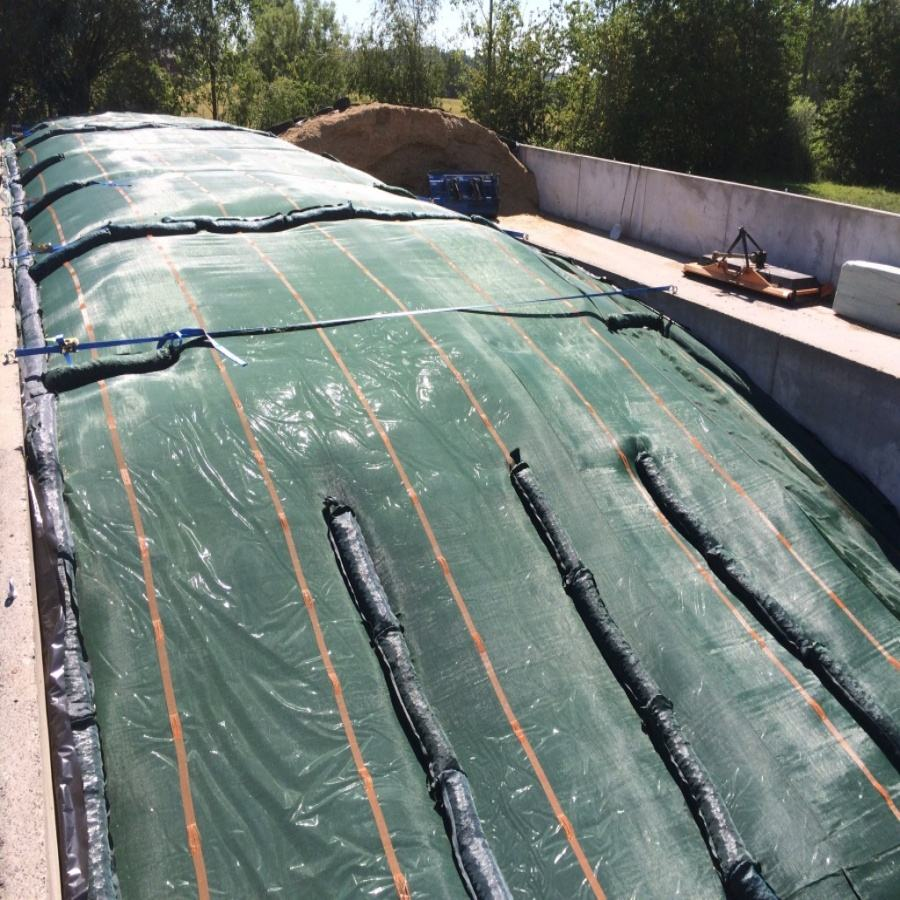
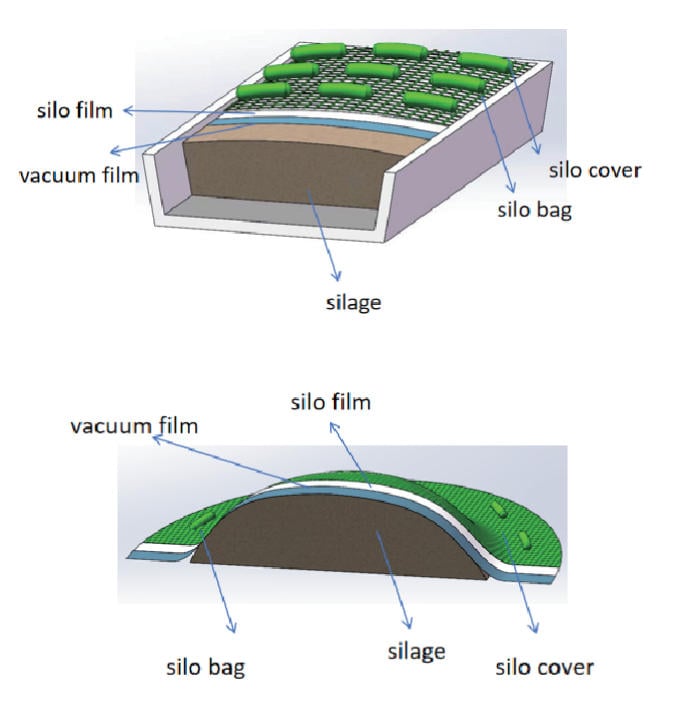
Silo covers are protective agricultural covers used to cover silage piles, bunker silos, grain storage areas, feed storage areas, and other outdoor farm materials. Their main function is to protect stored silage or grain from rain, sunlight, oxygen exposure, birds, livestock, animals, and bad weather.
A good silo cover should be durable enough for outdoor farm conditions. It should resist tearing during installation, stay stable under wind and weather, and provide UV resistance for long-term outdoor use. In many markets, farmers look for silo covers that can be used for multiple seasons, especially when the product is made with strong materials and proper UV stabilization.
Silo covers are especially important for livestock farms. When silage is exposed to too much air or rain, the fermentation process may be affected. This can reduce the nutritional value of the feed and increase waste. A well-made silo cover helps support a more consistent fermentation environment and helps keep silage protected from outside damage.
For importers and distributors, silo covers can be sold to dairy farms, cattle farms, crop farms, feed storage companies, agricultural cooperatives, and farm supply retailers. They are practical products with clear end-user value.
When sourcing silo covers, buyers should pay attention to material, thickness, weight, UV resistance, tear resistance, waterproof performance, size options, roll packing, and expected service life.
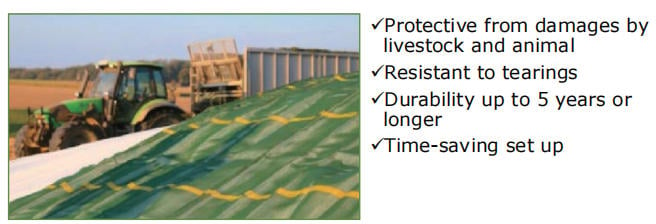
| Regular Size(cm) | ||||
| 500×600 | 500×1100 | 600×800 | 1000×1200 | 1200×1500 |
| 500×700 | 500×1200 | 600×1000 | 1000×1500 | 1400×1600 |
| 500×800 | 500×1400 | 800×1000 | 1000×1800 | 1500×1500 |
| 500×900 | 500×1600 | 800×1200 | 1000×2000 | 1500×1800 |
| 500×1000 | 500×1800 | 800×1500 | 1000×2500 | |
What Are Silo Bags
Silo bags, also known as grain storage bags or silage bags, are large cylindrical bags used for storing grain, seeds, fertilizer, silage, and other agricultural commodities. They are usually made from high-quality polyethylene materials, such as UV-stabilized HDPE, LLDPE, or multi-layer PE film.
Silo bags are popular because they provide flexible storage without the need for permanent silos or warehouses. During harvest season, many farms suddenly need extra storage space. Building fixed storage facilities can be expensive and time-consuming. Silo bags offer a more flexible alternative.
Farmers can place silo bags near the field, fill them with grain or silage using specialized equipment, and seal them for storage. This helps reduce transportation pressure during harvest and gives farmers more control over inventory and selling schedules.
Silo bags are commonly used for corn, wheat, rice, barley, soybeans, seeds, fertilizer, silage, and other farm materials. For grain storage, they help protect the product from moisture, pests, dust, and outside contamination. For silage storage, they help create a sealed environment that supports fermentation and preserves feed quality.
For buyers, a good silo bag should have strong puncture resistance, tear resistance, UV resistance, sealing performance, and consistent film quality. If the bag tears or the seal fails, the contents may be damaged. That is why quality control is extremely important when sourcing silo bags from suppliers.
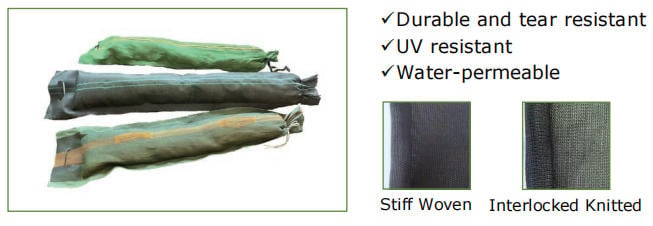
| Regular Size(cm) | ||
| 27×55 | 27×100 | 27×120 |
Silo Covers vs. Silo Bags: Which One Do You Need?
Silo covers and silo bags are both used for farm storage, but they are not the same product.
Silo covers are mainly used to cover stored silage, grain piles, bunker silos, or outdoor storage areas. They act as a protective layer over the stored material. They are useful when farms already have a storage pile, bunker silo, or feed storage area that needs to be covered.
Silo bags are used as enclosed storage containers. They are filled with grain, silage, or other agricultural materials, then sealed for storage. They are useful when farms need flexible storage space, especially during harvest season or when permanent storage capacity is limited.
In many cases, farms may use both. For example, silo bags can be used for flexible grain or silage storage, while silo covers can be used for larger silage piles or bunker silos. Some farms also use filled bags as added weight to help secure silo covers.
For buyers, the best choice depends on the application. If the customer needs to cover a silage pile, bunker silo, or hay storage area, silo covers may be the right product. If the customer needs flexible, enclosed storage for grain, silage, or seeds, silo bags may be more suitable.
A strong agricultural product line can include both products, giving distributors more options to serve different customer needs.
Key Benefits of Silo Covers for Farm Storage
Silo covers offer several practical benefits for farm storage and silage protection.
The first benefit is weather protection. Rain, sunlight, wind, and changing temperatures can damage stored silage and grain. A strong silo cover helps protect the surface of the stored material and reduces the risk of spoilage.
The second benefit is better silage preservation. Silage needs a stable fermentation process to maintain feed value. When oxygen exposure is reduced, the fermentation environment can become more consistent. This helps preserve the nutritional value of the feed.
The third benefit is protection from animals and birds. On farms, stored feed may be damaged by livestock, birds, rodents, and other animals. A durable silo cover adds a protective barrier and helps reduce direct damage.
The fourth benefit is longer outdoor use. With UV-resistant materials and strong construction, silo covers can perform better under sunlight and harsh weather. This is especially important for markets in South America, Africa, the Middle East, Australia, and other regions with strong sun exposure.
The fifth benefit is easier farm management. A good silo cover should be practical to install, remove, fold, and store. Farmers need products that work in real conditions, not just products that look good in a catalog.
For wholesalers and importers, these benefits make silo covers a strong product for agricultural supply markets.
Key Benefits of Silo Bags for Grain and Silage Storage
Silo bags are widely used because they help farms solve storage problems quickly and affordably.
One major benefit is cost savings. Compared with building permanent silos or warehouses, silo bags can reduce infrastructure costs. This makes them attractive for farms that need seasonal or temporary storage.
Another benefit is flexibility. Silo bags can be used when harvest volumes are higher than expected, when warehouse space is limited, or when farms want to store grain closer to the field. This can reduce transportation pressure and improve harvest efficiency.
Silo bags also help preserve product quality. When properly filled and sealed, they protect grain or silage from moisture, pests, dust, and contamination. This is important for crops such as corn, wheat, rice, barley, and soybeans.
For livestock farming, silo bags can be used to store fermented feed. A good seal helps preserve the nutritional value of silage and reduce feed waste.
Silo bags are also versatile. They can be used for grain, seeds, fertilizer, silage, and other farm materials. For agricultural distributors, this means one product can serve several customer groups.
However, performance depends heavily on quality. Buyers should check film layers, material strength, UV stabilization, sealing performance, puncture resistance, and compatibility with filling equipment before placing bulk orders.
How to Choose the Right Silo Covers
When buying silo covers, the lowest price is not always the best option. A cheap cover may tear easily, break down under sunlight, or fail during bad weather. If that happens, the real cost can be much higher than the money saved on the purchase price.
The first thing to check is material. Most silo covers are made from polyethylene-based materials. Buyers should ask whether the material is virgin, recycled, or mixed. Virgin material usually offers more stable performance, while recycled material may reduce cost but can affect durability.
The second factor is thickness and weight. Different markets require different specifications. Heavy-duty covers may offer better tear resistance and longer service life, but they also need to be practical for handling and installation.
The third factor is UV resistance. Silo covers are often used outdoors for long periods. Without UV stabilization, the material may become brittle, crack, or lose strength under sunlight.
The fourth factor is tear resistance. Farm environments can be rough. Covers may be pulled, dragged, weighted down, or exposed to wind and equipment contact. Strong tear resistance helps reduce damage during use.
The fifth factor is size customization. Buyers may need different widths, lengths, colors, roll sizes, or packaging styles. Agricultural distributors should understand the common sizes used in their target market before ordering.
The sixth factor is packaging. Large rolls should be packed well for international transportation. Poor packaging can lead to damage during loading, unloading, and warehouse storage.
Before bulk production, buyers should ask for product samples, technical details, and clear specifications. This helps reduce misunderstandings and quality risks.
How to Choose the Right Silo Bags
Silo bags need to be strong, flexible, and reliable because they are used to store valuable agricultural materials.
The first point to check is film structure. Some silo bags use multi-layer film to improve strength, puncture resistance, and storage performance. Buyers should ask about film layers, raw material, UV stabilization, and production process.
The second point is size. Silo bags come in different diameters and lengths. The right size depends on the storage volume, filling equipment, crop type, and local user habits. If the size does not match the equipment, the bag may not work properly.
The third point is puncture resistance. Silo bags may be placed on outdoor ground, and the surface may include stones, crop residue, or rough areas. Strong puncture resistance helps protect the stored material.
The fourth point is sealing performance. A silo bag must be sealed correctly after filling. Poor sealing can allow moisture, air, or pests to enter, which may damage the contents.
The fifth point is UV resistance. Since silo bags are normally placed outdoors, UV-stabilized material is important for markets with strong sunlight.
The sixth point is printing and packaging. Some distributors may need private-label packaging, printed logos, product labels, barcodes, or customized cartons. These details should be confirmed before production.
For importers, it is also important to check whether the supplier has experience producing bags for the target application, such as grain storage, silage storage, or fertilizer storage. Different uses may require different performance levels.
Related Agricultural Protection Products Buyers Can Source Together
Silo covers and silo bags are important farm storage products, but they are often part of a wider agricultural protection category. For importers, wholesalers, and farm supply companies, sourcing related products together can create a stronger product line.
Olive Harvest Nets
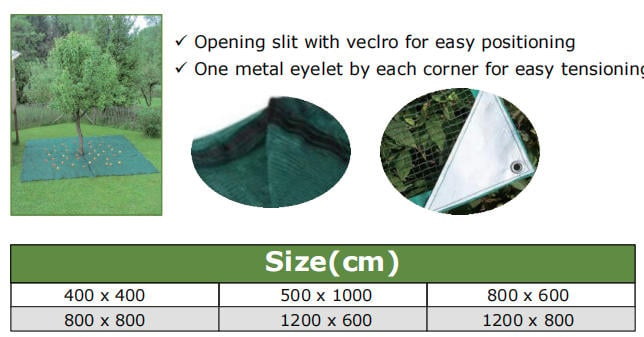
Olive harvest nets are used around the base of olive trees during harvesting. They help collect olives more efficiently and reduce loss during picking. A good olive harvest net should be easy to carry, easy to position, and easy to fold after use.
Features such as opening slits, Velcro closures, and metal eyelets can make installation and tensioning easier. These products are useful for olive farms, orchard supply companies, and agricultural retailers.
Shade Nets
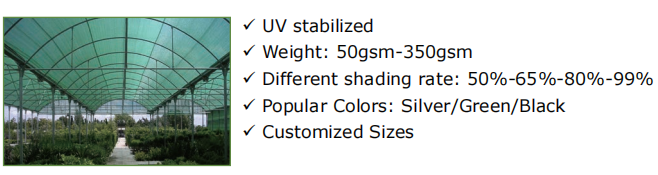
Shade nets are used to control sunlight exposure in agricultural areas. They help create a better growing environment for plants, vegetables, flowers, and crops. Depending on the application, buyers may choose different shading rates, such as 50%, 65%, 80%, or 99%.
Common colors include green, black, and silver. Customized sizes are also important because different farms, greenhouses, nurseries, and crop areas may require different coverage.
Anti Insect Nets
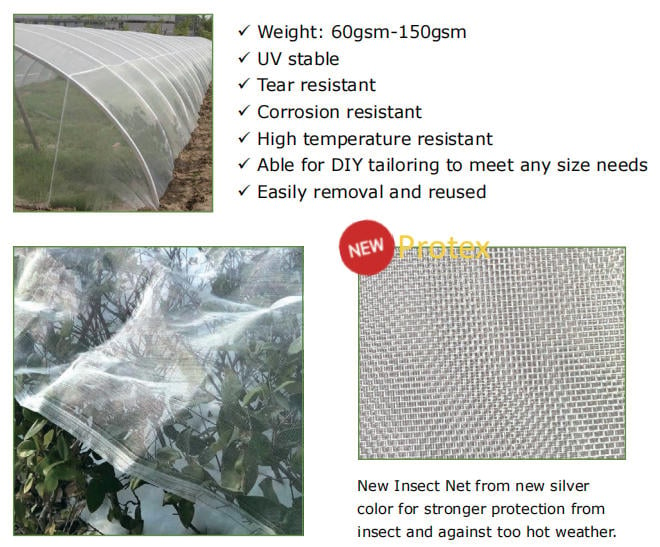
Anti insect nets help protect plants, vegetables, and crops from harmful insects. They can also provide some sunshade, dustproof, and antifreeze effects. These nets are useful for vegetable farms, organic farms, greenhouses, and nurseries.
Buyers should check mesh size, weight, UV stability, tear resistance, and reusability. For agricultural distributors, anti insect nets are practical products with clear demand in crop protection markets.
Anti Bird Nets
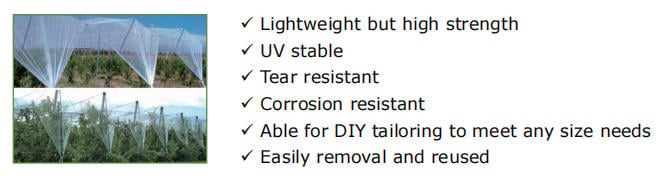
Anti bird nets are used to protect bushes, vegetables, fruits, crops, and ponds from bird damage. They are especially useful for orchards, berry farms, vineyards, fish ponds, and vegetable fields.
A good anti bird net should be lightweight but strong, UV-stable, tear-resistant, and easy to install. It should also be easy to remove and reuse.

Anti Hail Nets
Anti hail nets are designed to protect horticultural crops, orchards, vineyards, and other valuable crops from hailstorm damage. In areas where hailstorms are common, anti hail nets can help reduce crop loss and protect farm income.
The net structure should allow hail to slide down instead of collecting heavily on the surface. Buyers should check strength, UV resistance, tear resistance, size, and installation requirements.
Weed Control Mats
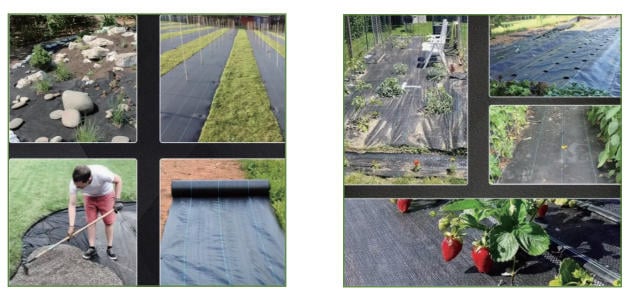
Weed control mats are used to prevent weed growth and help keep plants healthier. They are widely used in gardens, flower beds, landscaping areas, patios, pathways, driveways, and under decking.
For agricultural and garden supply markets, weed control mats are easy-to-understand products with broad demand. Buyers should check permeability, UV resistance, material strength, size, and roll packing.
Tree Ties
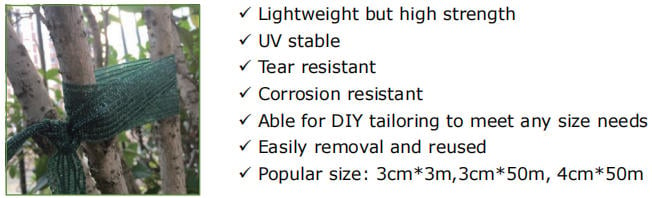
Tree ties are used to support and stabilize trees against strong winds and rain. They are useful for nurseries, orchards, landscaping projects, and tree planting programs.
A good tree tie should be lightweight, strong, UV-stable, tear-resistant, and easy to use. Popular sizes can vary by market, so customization is important.
Harvesting Bags
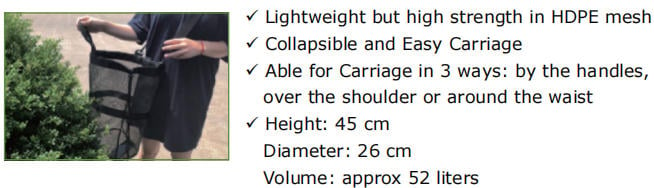
Harvesting bags are designed to make fruit and vegetable harvesting easier and more efficient. They should be lightweight, strong, collapsible, and easy to carry.
Some harvesting bags can be carried by hand, over the shoulder, or around the waist. This makes them practical for farms that need faster picking and easier handling during harvest.
Firewood Cover Tarps
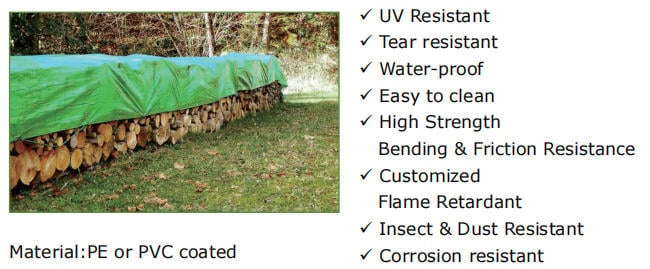
Firewood cover tarps protect wood from rain, dust, insects, sunlight, and bad weather. They help keep firewood dry and maintain its quality during outdoor storage.
Buyers may need waterproof, UV-resistant, tear-resistant, flame-retardant, or customized firewood covers depending on the target market.
Hay Tarps
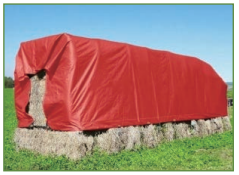
Hay tarps are waterproof covers used to protect hay from rain, moisture, and UV rays. They help keep hay dry and preserve its nutritional value for livestock feed.
For livestock farms and hay distributors, hay tarps are essential outdoor storage products. Buyers should check waterproof performance, UV resistance, tear strength, size, and fastening options.

Grain Trailer Tarps
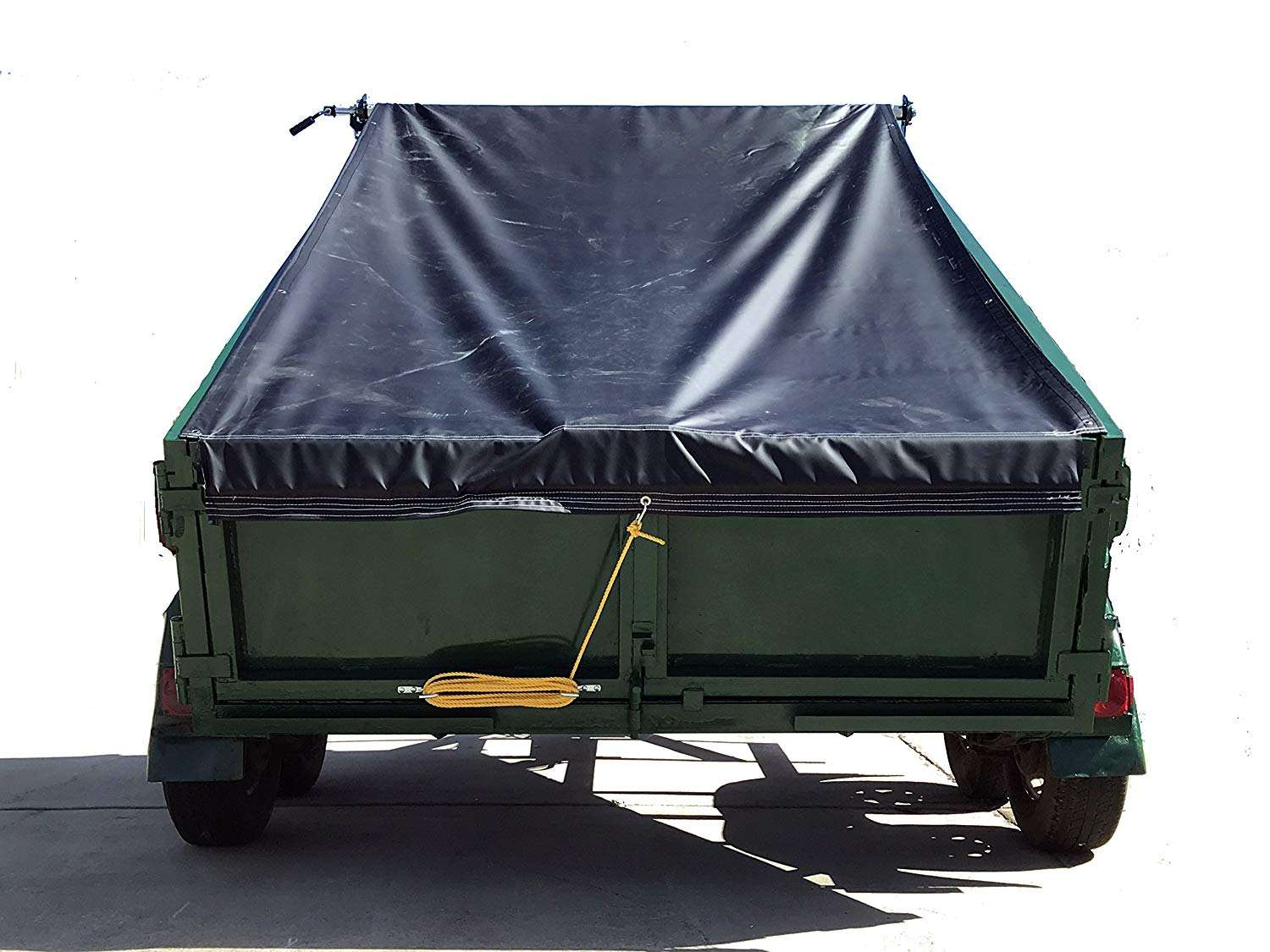
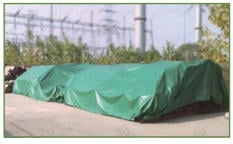
Grain trailer tarps protect grain, silage, fertilizer, and other agricultural materials during loading, unloading, and transportation. They help protect products from rain, dust, and UV damage.
These tarps can be used on grain carts, grain trailers, fertilizer tenders, spreaders, gravity wagons, and other farm transportation equipment.
By combining silo covers, silo bags, nets, tarps, mats, ties, and harvesting tools, buyers can create a more complete agricultural protection product line for their market.
What to Include in Your RFQ for Silo Covers, Silo Bags, and Agricultural Protection Products
When requesting a quotation for silo covers, silo bags, silage protection products, or other agricultural storage supplies, buyers should provide clear product details from the beginning. A complete RFQ helps suppliers quote more accurately, avoid misunderstandings, and reduce back-and-forth communication during the sourcing process.
For silo covers, buyers should confirm the required material, thickness, width, length, roll size, color, UV resistance, tear resistance, waterproof performance, and expected outdoor service life. Since silo covers are used to protect silage from rain, sunlight, animals, and weather damage, the product must be strong enough for real farm conditions.
For silo bags, the RFQ should include bag diameter, bag length, film layers, material requirement, UV stabilization, storage purpose, filling method, sealing requirements, and target commodity. Silo bags may be used for grain, corn, wheat, rice, seeds, fertilizer, or silage, so the supplier needs to understand the actual application before offering the right option.
If buyers are also sourcing related agricultural products, such as shade nets, anti insect nets, anti bird nets, anti hail nets, weed control mats, hay tarps, firewood cover tarps, grain trailer tarps, harvesting bags, olive harvest nets, or tree ties, the RFQ should include size, weight, mesh density, shading rate, color, packaging, labeling, and customization requirements.
A good RFQ should also mention the target market, estimated order quantity, preferred packaging, private-label requirements, delivery deadline, and shipping terms. If the buyer has a sample, drawing, photo, or previous product specification, it is better to share it before quotation.
At UCSOURCING, we help buyers prepare clear RFQs before contacting factories. This makes supplier comparison easier and helps buyers avoid vague quotations, missing specifications, or quality issues after production starts. Whether you are sourcing one product or building a full agricultural protection product line, a well-prepared RFQ is the first step toward a more reliable sourcing process.
RFQ Checklist for Buyers
Before requesting a quote, buyers can prepare the following details:
Product name: Silo covers, silo bags, silage bags, shade nets, hay tarps, grain trailer tarps, or other agricultural protection products
Application: Grain storage, silage protection, hay storage, crop protection, trailer covering, harvesting, or farm use
Material: PE, HDPE, LLDPE, UV-stabilized material, mesh fabric, tarp material, or customized material
Size: Width, length, diameter, roll size, or finished product size
Thickness / Weight: Film thickness, GSM, mesh weight, or tarp weight
Color: Black, white, green, silver, transparent, or customized color
Performance requirements: UV resistance, waterproof, tear resistant, puncture resistant, anti insect, anti bird, anti hail, flame retardant, or weather resistant
Packaging: Roll packing, carton packing, bale packing, private label, barcode, or customized packaging
Quantity: Trial order quantity and estimated annual demand
Customization: Logo printing, label design, packaging design, special size, or private label
Shipping terms: EXW, FOB, CIF, DDP, or door-to-door shipping
Target market: USA, Europe, South America, Middle East, Africa, Australia, or other regions
Once the RFQ is clear, the next step is finding the right manufacturer, comparing quotations, checking samples, and confirming production details. This is where UCSOURCING can help buyers save time and reduce sourcing risks.
You can explore services here:
https://ucsourcing.com/our-services/
Common Mistakes Buyers Should Avoid
One common mistake is choosing only by price. Agricultural protection products may look simple, but quality differences can be significant. A cheap silo cover may tear easily. A low-quality silo bag may fail during storage. A weak net may not last through one season. The cost of product failure can be much higher than the original savings.
Another mistake is not confirming material quality. Virgin material, recycled material, UV-stabilized material, and mixed material can perform very differently. Buyers should always confirm the material before ordering.
A third mistake is ignoring local climate. Products used in hot, sunny, rainy, windy, humid, or cold markets need different performance levels. For example, a silo cover for a strong-sun market needs better UV resistance. A hay tarp for a rainy market needs reliable waterproof performance.
A fourth mistake is ordering standard sizes without checking end-user needs. Farmers often need specific sizes based on their storage method, equipment, field layout, or local habits. Customization can make the product easier to sell.
A fifth mistake is skipping samples and inspections. Before bulk production, samples can help confirm material, thickness, color, weight, printing, and general workmanship. Before shipment, inspection can help check quantity, packaging, labeling, and product quality.
For importers and wholesalers, avoiding these mistakes can make the sourcing process smoother and reduce after-sales problems.
Why Global Buyers Source Agricultural Protection Products from China
China has a strong manufacturing base for agricultural plastic products, mesh products, tarps, covers, bags, nets, and customized farm supplies. For global buyers, sourcing from China can offer several advantages.
First, product categories are wide. Buyers can source silo covers, silo bags, shade nets, anti insect nets, anti bird nets, anti hail nets, weed control mats, harvesting bags, hay tarps, firewood cover tarps, grain trailer tarps, and other farm protection products through one supply chain.
Second, customization is flexible. Buyers can request different materials, sizes, weights, colors, thicknesses, printing, packaging, labels, and private-label designs.
Third, bulk production can reduce unit costs. Many agricultural products are purchased in large quantities, so cost control is important for importers and distributors.
Fourth, buyers can build their own branded product lines. With customized packaging, logo printing, and stable supply, agricultural distributors can create stronger product recognition in their local market.
However, sourcing from China also requires careful supplier selection and quality control. Many products look similar in photos, but actual quality can be very different. Raw material, UV resistance, tear strength, weight accuracy, and packaging must be checked carefully.
That is why working with a reliable sourcing partner can make the process easier.
How UCSOURCING Helps Buyers Source Silo Covers and Silo Bags
Sourcing silo covers, silo bags, and agricultural protection products from China is not just about finding a factory. It is about finding the right product, the right material, the right supplier, and the right quality level for your market.
UCSOURCING helps global buyers source and customize agricultural products from China. If you are an importer, wholesaler, farm supply distributor, e-commerce seller, agricultural brand, or trading company, we can help you manage the sourcing process from supplier search to shipment.
For silo covers and silo bags, UCSOURCING can help buyers confirm material options, thickness, UV resistance, size, packaging, printing, and production requirements. We can also help compare quotations from different suppliers, arrange samples, communicate technical details, follow up during production, and support quality inspection before shipment.
For buyers who want to build a wider agricultural product line, UCSOURCING can also help source related products such as shade nets, anti insect nets, anti bird nets, anti hail nets, weed control mats, olive harvest nets, harvesting bags, hay tarps, firewood cover tarps, grain trailer tarps, tree ties, and other customized farm supplies.
This is especially useful for buyers who do not want to communicate with multiple factories one by one. Instead of spending weeks comparing suppliers, checking samples, and following up on production details, buyers can work with UCSOURCING to make the process more organized and efficient.
Our goal is not only to help you find products. Our goal is to help you reduce sourcing risks, improve product consistency, and build a reliable agricultural supply chain from China.
You can explore services here:
https://ucsourcing.com/our-services/