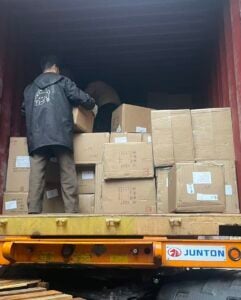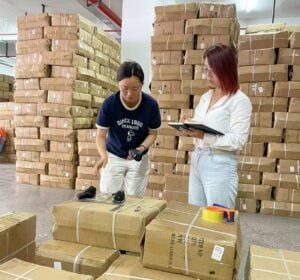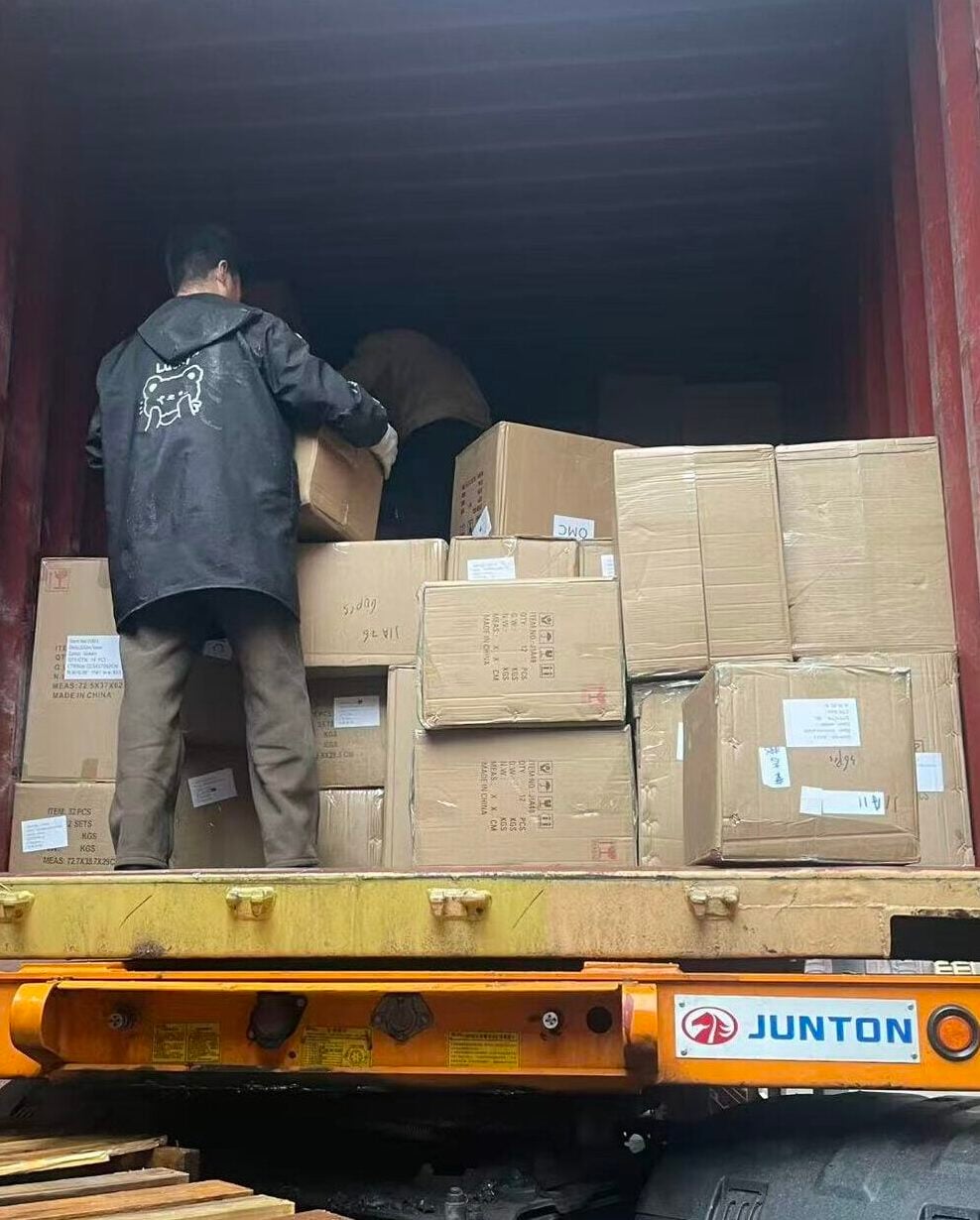
Shipping fragile items is not just about putting a “Fragile” label on a box. For importers, e-commerce sellers, gift brands, home décor sellers, glassware suppliers, and retailers, the real challenge is making sure the product arrives in one piece after factory handling, warehouse movement, export packing, customs inspection, truck loading, courier transfer, and final delivery.
A fragile items accident can happen at many points in the supply chain. Sometimes the problem starts with poor factory packaging. Sometimes the carton is too weak. Sometimes products are packed too tightly, leaving no shock-absorbing space. Other times, fragile items breaking happens because the supplier used cheap foam, thin bubble wrap, or reused cartons that cannot handle international shipping pressure.
That is why shipping fragile items should be planned before production is finished, not after the goods are already packed. At UCSOURCING, we help buyers check packaging methods, confirm carton strength, inspect product protection, and communicate packing requirements with Chinese suppliers before shipment. This helps reduce risk, avoid unnecessary claims, and make the sourcing process much more reliable.
Contact Us:https://ucsourcing.com/contact-us/
What Makes Fragile Items Break During Shipping?
Fragile items breaking is usually not caused by only one mistake. In most cases, it is the result of several small problems happening together.
For example, a supplier may use a thin export carton to save cost. The product may only have a light plastic sleeve instead of real cushioning. The carton may have empty space inside, so the item moves during transportation. When the box is stacked under heavier cartons, the pressure can crush the corners. If the product is glass, ceramic, acrylic, electronics, lighting, candles, mirrors, or decorative items, even a small impact can create cracks, scratches, dents, or total breakage.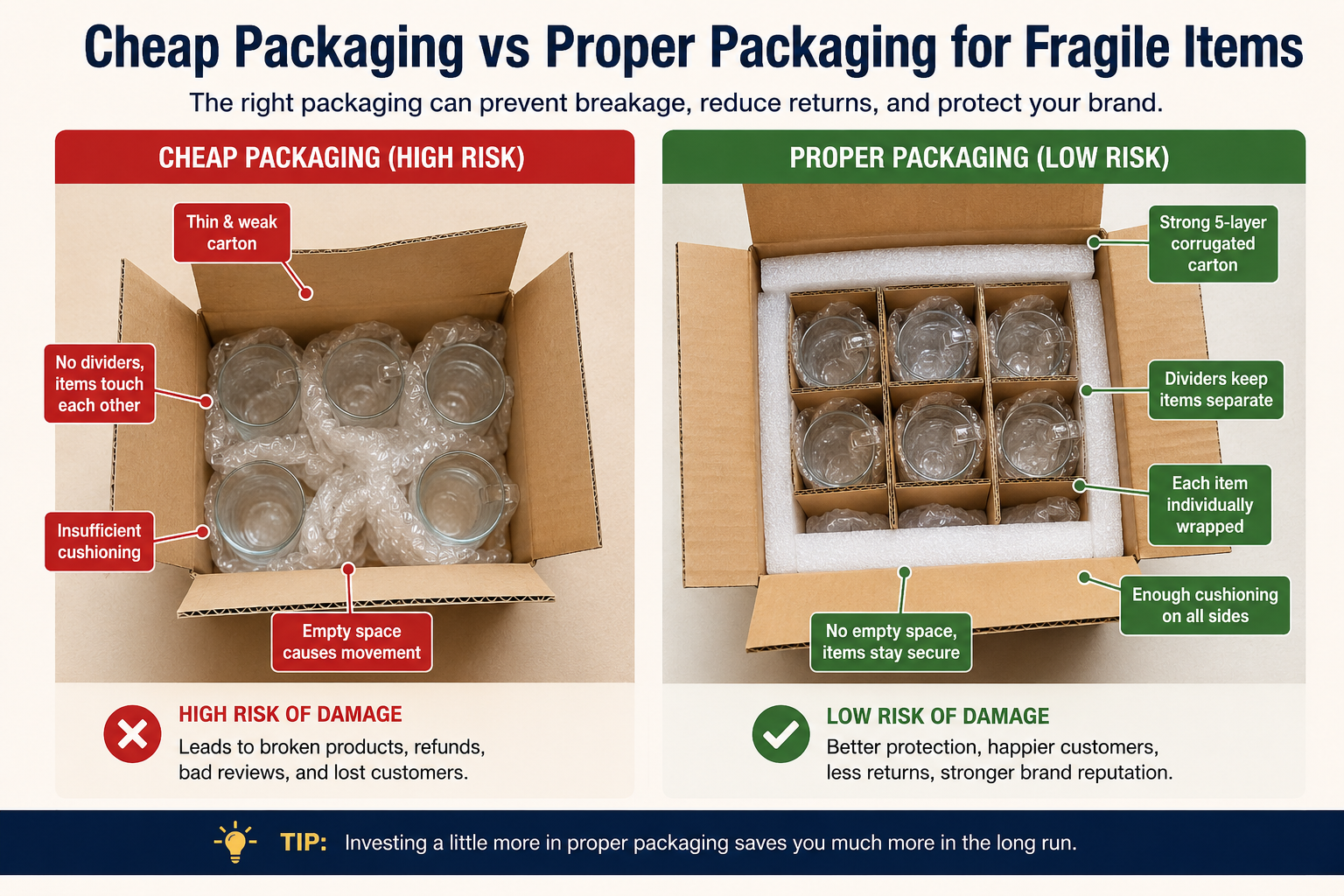
Cheap Packing That Looks Fine at First
A buyer orders decorative glass cups from China. The supplier says the packing is “safe enough” and sends a few nice photos. The carton looks clean, and each cup has a thin layer of bubble wrap. The buyer approves shipment without a detailed packing check.
After delivery, many cartons arrive with broken cups inside. The buyer realizes the problem too late: the bubble wrap was too thin, there was no divider between each cup, and the outer carton was not strong enough for long-distance shipping.
This is a classic fragile items accident. The packaging looked acceptable in photos, but it was not tested for real movement, pressure, and impact.
How to Pack Fragile Items for Shipping the Right Way?
The key to how to pack fragile items for shipping is simple: protect the product from movement, pressure, vibration, and direct impact. A good package should not only look neat. It should control the product inside the box.
Each fragile item should be wrapped separately. If two fragile products touch each other inside the same carton, they can hit each other during transportation. This is one of the most common reasons for fragile items breaking.
The item should also be centered inside the box, with cushioning on all sides. The product should not touch the carton wall directly. Empty space should be filled with suitable protective material, but the box should not be overstuffed. If the box is too tight, there is no room to absorb shock.
Recommended Packing Steps
First, wrap the product individually with bubble wrap, foam sheet, honeycomb paper, molded pulp, EPE foam, or another suitable material. Second, add corner protection if the item has sharp edges or weak corners. Third, place the item into an inner box when needed. Fourth, use dividers or inserts to keep multiple items separated. Fifth, put the inner box into a strong outer carton with enough cushioning around it.
For higher-value fragile items, the box-in-box method is often a better choice. This means the product is protected inside one box first, then placed into a second outer box with extra cushioning. This method can reduce the risk of fragile items breaking during international shipping.
What Is the Best Packing Material for Fragile Items?
The best packing material for fragile items depends on the product type, weight, shape, surface finish, and shipping method. There is no single material that works for every product.
For glassware and ceramics, bubble wrap, foam dividers, paper inserts, and molded pulp can be useful. For electronics, anti-static bags, foam inserts, corner protectors, and strong inner boxes are often needed. For candles, cosmetics, gift sets, and home décor, the packaging must protect both the product and the retail presentation. For mirrors, frames, and flat fragile products, edge guards and reinforced cartons are very important.
When choosing the best packing material for fragile items, buyers should not only ask, “Is it cheap?” They should ask, “Can this material protect the product through factory handling, warehouse storage, sea freight or air freight, customs checks, and final delivery?”
Packing Designed Before Mass Production
A brand plans to ship ceramic gift sets. Instead of waiting until the goods are finished, UCSOURCING helps the buyer confirm the packing method during the sampling stage. The supplier prepares an inner box, foam insert, divider, and stronger export carton. The packaging is checked before mass production, and the buyer understands the extra cost before placing the final order.
This is a better approach because the packing decision is made early. The buyer does not face surprise costs at the end, and the risk of fragile items breaking is reduced before shipment.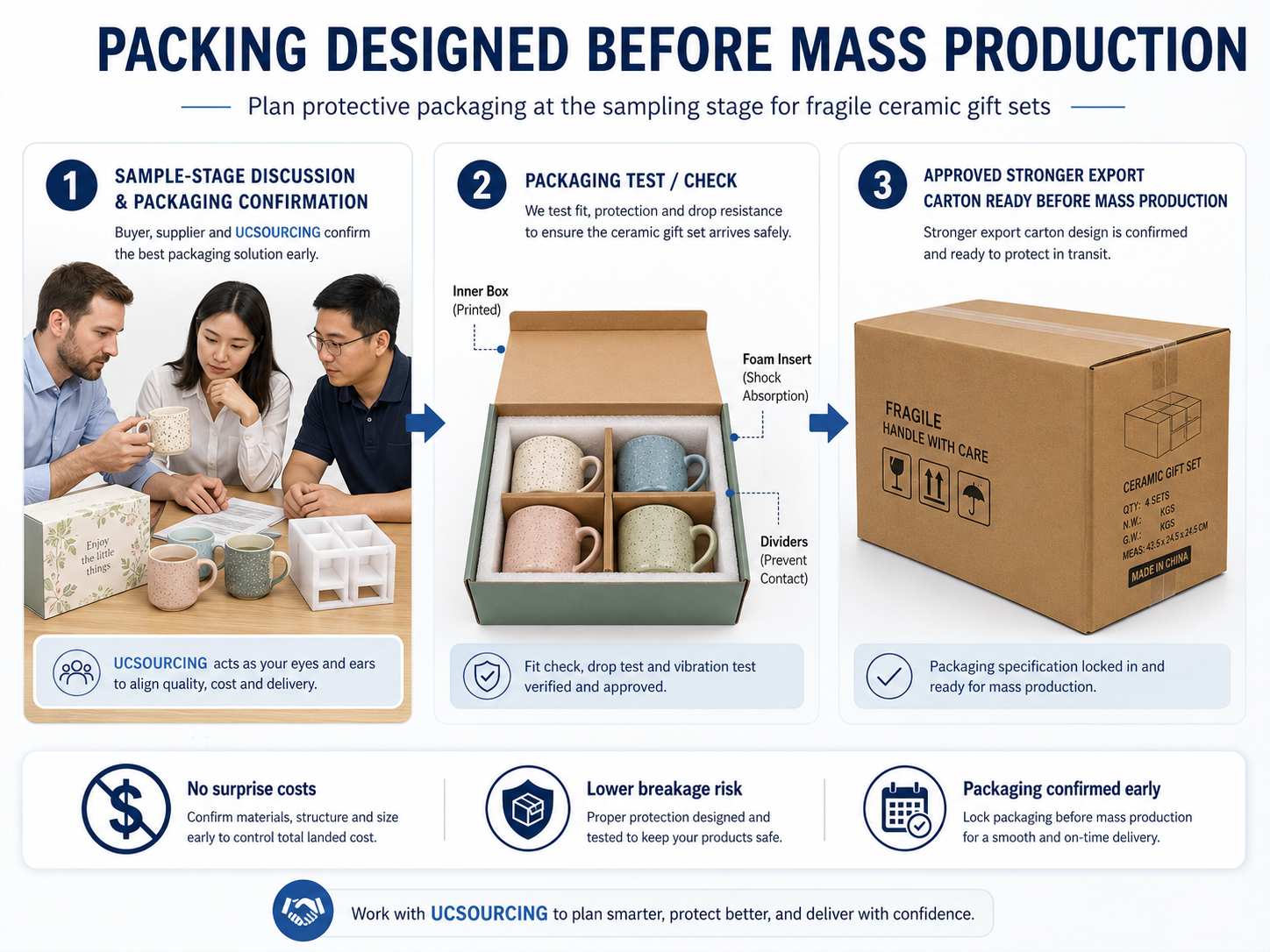
Customization Services:https://ucsourcing.com/
When Should You Confirm Packing for Fragile Items?
The best time to confirm packing is before mass production, not after production is complete.
If you wait until the goods are finished, the supplier may already have ordered standard cartons. Changing the packing at that point can delay shipment, increase cost, or create confusion. In some cases, the supplier may refuse to change the packing because the goods are already packed.
When shipping fragile items, packaging should be discussed during quotation and sample confirmation. Buyers should ask for details such as inner box size, outer carton size, carton thickness, protective material, divider structure, carton weight, packing quantity per carton, and whether drop testing or basic packing checks are needed.
At UCSOURCING, we help buyers confirm these details with suppliers before production moves too far. This is one reason our service is valuable for importers who cannot visit the factory in person.
Where Do Most Fragile Items Accidents Happen?
A fragile items accident can happen at the factory, warehouse, port, airport, courier hub, or during last-mile delivery. However, many problems actually begin at the supplier’s packing table.
If the factory worker packs too fast, uses the wrong material, skips dividers, or puts too many units into one carton, the risk increases immediately. Even if the forwarder handles the shipment carefully, poor packaging cannot fully protect the product.
Another common problem happens during consolidation. If fragile items are mixed with heavy goods in the same shipment without proper separation, cartons can be crushed. This is especially risky when buyers source products from multiple suppliers and send everything to one warehouse before export.
Good Product, Bad Warehouse Handling
A seller sources glass candle jars from one factory and metal display racks from another factory. Both products are sent to a warehouse for consolidation. The candle jar cartons are placed under heavier rack cartons. During transportation, several boxes are crushed, and the jars break.
The product quality was not the issue. The fragile items accident happened because the warehouse did not separate fragile goods from heavy goods. This is why supplier coordination, warehouse control, and shipping arrangement are just as important as product sourcing.
How Can UCSOURCING Help With Shipping Fragile Items?
UCSOURCING helps buyers reduce packaging and shipping risks before the goods leave China. Our role is not only to find suppliers. We also help manage the practical details that affect the final delivery result.
For shipping fragile items, we can help communicate packing requirements with factories, compare packing options, request sample packing photos, check carton markings, arrange pre-shipment inspection, and coordinate warehouse consolidation. If needed, we can also help buyers ask suppliers to improve packaging before shipment.
This is especially useful for online sellers, Amazon sellers, Shopify brands, retailers, importers, and companies that purchase from several Chinese suppliers at the same time.
What Makes Our Service More Reliable?
Some sourcing agents only focus on price. They help buyers find a supplier, collect a quotation, and move on. But for fragile products, the cheapest price can become the most expensive mistake if the packaging fails.
UCSOURCING focuses on a safer sourcing process. We look at product quality, supplier capability, packaging details, inspection standards, and shipping needs together. When fragile items breaking can damage your profit, reviews, customer trust, and brand image, the packaging process cannot be treated as a small detail.
What Should Buyers Ask Before Shipping Fragile Items?
Before shipping fragile items, buyers should ask clear questions:
What material will be used to protect the product?
Do not accept vague answers like “normal packing” or “safe packing.” Ask for the exact best packing material for fragile items based on your product type.
How many pieces will be packed in one carton?
If too many fragile items are packed together, the risk of breakage increases. The carton may become too heavy, and internal pressure may damage the products.
Will each item be separated?
For glass, ceramic, acrylic, and delicate products, separation is very important. Dividers, inserts, foam slots, or inner boxes can reduce direct contact.
Is the carton strong enough for export?
A thin carton may work for domestic delivery but fail during international shipping. For long-distance shipping fragile items, stronger export cartons are often necessary.
Can we check the packing before shipment?
A pre-shipment packing check can prevent many problems. It is much easier to fix packaging in China before shipment than to handle customer complaints after delivery.
How to Avoid Fragile Items Breaking in Bulk Orders?
Bulk orders need more control than small sample orders. A sample may arrive safely because it was packed carefully by hand. But mass production packing can be different. Factory workers may pack quickly, use less material, or follow a cheaper standard unless the buyer gives clear instructions.
To avoid fragile items breaking in bulk orders, buyers should confirm packing specifications in writing. Photos should be checked. Carton markings should be clear. Fragile labels can help, but labels cannot replace real protection. The product must be protected inside the box first.
UCSOURCING can help buyers turn general requests into clear supplier instructions. Instead of simply saying “please pack well,” we help define what “well” means for the product.
Final Thoughts: What Is the Safest Way to Ship Fragile Items from China?
The safest way to ship fragile items from China is to control packaging before the shipment leaves the factory. Do not wait until something breaks. Do not rely only on a fragile label. Do not assume the supplier’s standard packing is enough for international delivery.
A fragile items accident can cost more than the broken product itself. It can lead to refunds, bad reviews, replacement costs, shipping claims, delayed sales, and damaged customer trust.
If you are not sure how to pack fragile items for shipping, or you need help choosing the best packing material for fragile items, UCSOURCING can help you manage the process from supplier communication to inspection and shipping coordination.
With the right sourcing partner, shipping fragile items becomes less stressful, more controlled, and much more reliable.
Browse More:https://ucsourcing.com/our-blog/
WhatsApp: +86-18026272594 name:Jenny
E-Mail: [email protected]
[email protected]
We help global buyers source smarter, reduce risks, and build stable supply chains in China.